

Design Considerations for PP Pellet Pneumatic Conveying System Solutions
When designing a pneumatic conveying system for polypropylene (PP) pellets, several critical factors must be considered to ensure efficient, reliable, and cost-effective operation. This article outlines key design considerations tailored to PP pellet characteristics and the specific requirements of industrial applications.

Key Design Considerations for PP Pellet Pneumatic Conveying Systems
PP pellets are commonly used in various industries due to their versatility and ease of processing. However, their physical properties—such as density, particle size, and moisture content—significantly impact the performance of pneumatic conveying systems. Proper system design must address these variables to prevent issues like blockages, material degradation, or excessive energy consumption.
System Configuration and Components
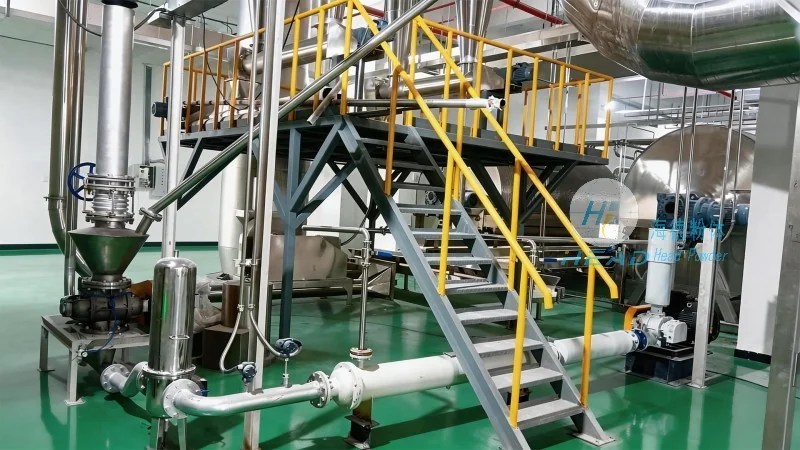
The configuration of a PP pellet pneumatic conveying system typically includes a hopper, feeder, air compressor, pipeline, and receiver. Each component plays a vital role in the overall system performance. For example, the hopper must be designed to minimize material bridging and ensure consistent material flow to the feeder. The feeder, often a rotary valve or screw feeder, regulates the material discharge rate, which directly affects the air-to-material ratio and system efficiency.
Air Compressor Selection and Pressure Management
Choosing the right air compressor is crucial for PP pellet conveying. Positive displacement compressors are commonly used due to their ability to maintain consistent pressure and airflow, even with varying material loads. The pressure level must be optimized based on the system's length, number of bends, and the required conveying velocity. Higher pressures can improve conveying efficiency but may increase energy costs and system wear. Proper pressure management also involves incorporating pressure relief valves and filters to protect the system from overpressure and contaminants.

Pipeline Design and Material Flow Optimization
Pipeline design is critical for preventing blockages and ensuring smooth material transport. The diameter of the pipeline should be selected based on the material's bulk density and the desired conveying velocity. Larger diameters reduce friction losses and improve flow, but they increase system cost and space requirements. The pipeline should also be equipped with appropriate bends and elbows, with smooth transitions to minimize pressure drop and prevent material accumulation. Additionally, the use of inline mixers or agitators can help maintain material suspension and prevent segregation during transport.
Feeder and Hopper Integration for Consistent Flow
The integration of the feeder and hopper is essential for maintaining consistent material flow to the system. The hopper should be designed with a conical or wedge-shaped bottom to facilitate material discharge. The feeder must be capable of handling the specific characteristics of PP pellets, such as their tendency to stick or agglomerate. Proper sealing of the hopper and feeder is also critical to prevent air leakage, which can disrupt the air-to-material ratio and reduce conveying efficiency.
System Monitoring and Control
Effective monitoring and control systems are vital for optimizing the performance of PP pellet pneumatic conveying systems. Sensors can be used to measure pressure, flow rate, and material level, providing real-time data to adjust system parameters. Automated control systems can regulate the feeder speed, compressor output, and pipeline pressure to maintain optimal operation. This not only improves efficiency but also reduces the risk of system failures and material damage.
Material Handling and Environmental Considerations
PP pellets are lightweight and can be prone to dust generation during handling. Proper dust control measures, such as using dust collectors and sealing the system, are essential to maintain a clean and safe working environment. Additionally, the system should be designed to minimize material degradation, which can occur due to high temperatures or friction. Using appropriate materials for the hopper and pipeline, such as stainless steel or corrosion-resistant alloys, can help prevent material wear and extend the system's lifespan.
Case Study: Successful Implementation by Shandong HeadPowder Engineering Co., Ltd.
Shandong HeadPowder Engineering Co., Ltd., a leading provider of pneumatic conveying solutions, has successfully implemented PP pellet conveying systems for various industrial applications. By carefully considering the design factors outlined above, their systems have achieved high conveying efficiency, low energy consumption, and reliable operation. For example, a client in the plastic manufacturing industry implemented a PP pellet pneumatic conveying system designed by HeadPowder, which reduced material handling time by 30% and improved overall production efficiency. The system's design, including optimized air compressor selection and pipeline configuration, ensured consistent material flow and minimal downtime.