

Principle and Working Scene Characteristics of Corn Starch Material Pneumatic Conveying Lines
Pneumatic conveying systems are widely used in the processing and handling of various bulk materials, including corn starch. These systems utilize air or gas to transport dry powders and granules through a pipeline network. For corn starch, which is a fine and hygroscopic material, the design and operation of the conveying line must address specific challenges such as dust control, material flow consistency, and equipment durability. This article explores the fundamental principles behind corn starch pneumatic conveying lines and highlights the key characteristics of their working environments.
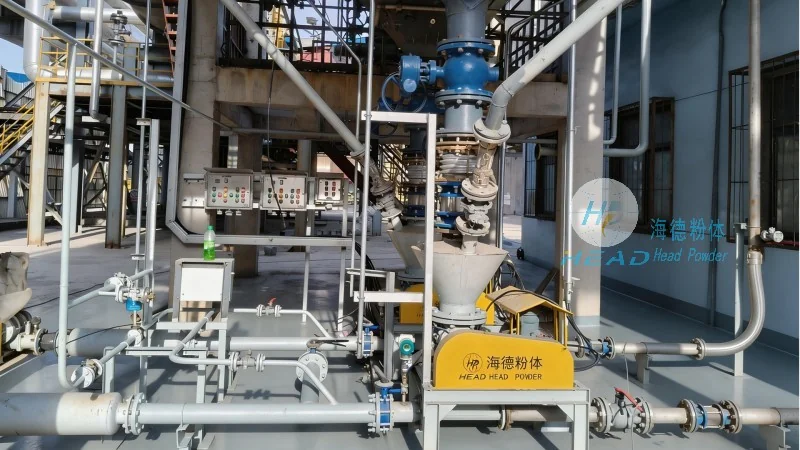
Core Principles of Corn Starch Pneumatic Conveying
The operation of a corn starch pneumatic conveying line is based on the principle of air movement to move material through a system of pipes. There are two main types of pneumatic conveying: pressure and vacuum systems. In pressure systems, compressed air is used to push the material forward, while vacuum systems use a vacuum to draw the material into the line. For corn starch, which is often handled in large quantities and requires efficient, low-dust transfer, pressure systems are commonly preferred due to their ability to maintain consistent flow rates and minimize material degradation.
Key components of a corn starch pneumatic conveying line include the material hopper, which stores the starch and provides a controlled feed; the air compressor or blower, which generates the necessary air pressure; the conveying line itself, which transports the material from the hopper to the destination; and the discharge device, which releases the material at the end of the line. The material hopper is typically equipped with a feeder, such as a rotary valve or a screw feeder, to regulate the flow of corn starch into the system. This feeder ensures that the material is introduced into the conveying line at a steady rate, preventing blockages and maintaining smooth operation.
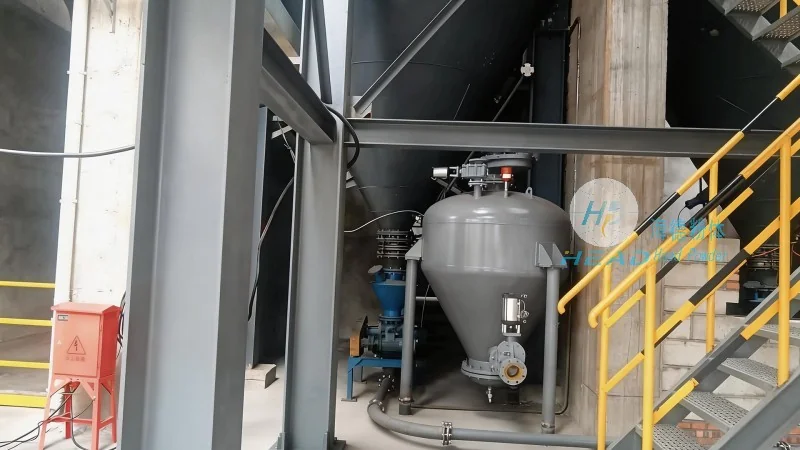
The air compressor or blower is a critical component that provides the energy for material transport. For corn starch, which is a fine powder, the air velocity within the pipeline must be carefully controlled to avoid material deposition or clogging. The velocity is typically maintained at a level that ensures the material is fully suspended in the air stream, preventing it from settling and causing blockages. The choice of compressor or blower depends on the system's capacity, the distance of material transport, and the desired flow rate. High-efficiency models are often used to minimize energy consumption and reduce operational costs.
The conveying line is constructed from materials that are resistant to the corrosive and abrasive nature of corn starch. Common materials include stainless steel, which is durable and easy to clean, and polyethylene or PVC for non-corrosive applications. The pipeline is designed with smooth internal surfaces to reduce friction and prevent material buildup. The line may include bends, elbows, and expansion joints to accommodate changes in direction and elevation, ensuring that the material can be transported over long distances without significant pressure loss or material degradation.

The discharge device at the end of the line is responsible for releasing the corn starch into the receiving container or process equipment. This device is typically a rotary valve or a venturi nozzle, which controls the flow of material out of the system. The rotary valve is often preferred for its ability to provide a controlled, continuous discharge, while the venturi nozzle is used for high-velocity applications where a rapid release of material is required. The discharge device must be designed to prevent dust emissions and ensure that the material is delivered to the next stage of the process without loss or contamination.
Working Scene Characteristics of Corn Starch Pneumatic Conveying Lines
The working environment of a corn starch pneumatic conveying line is characterized by several key factors that influence its performance and efficiency. One of the most important characteristics is the material's properties, which include its fineness, moisture content, and flowability. Corn starch is a fine powder with a particle size typically ranging from 10 to 200 microns, making it prone to dust formation and clogging if not handled properly. The moisture content of the starch is also critical, as high moisture levels can cause the material to clump and reduce its flowability. Therefore, the conveying line must be designed to maintain the starch at an optimal moisture level to ensure smooth operation.

Another important characteristic is the scale of operation. Corn starch is often processed in large quantities, and the conveying line must be capable of handling high flow rates without compromising material quality. The system's capacity is determined by factors such as the size of the material hopper, the power of the air compressor, and the length of the conveying line. For industrial applications, the line may need to transport material over distances of several hundred meters or more, requiring robust equipment and careful design to maintain consistent performance.
The working environment also includes considerations related to dust control and safety. Corn starch is a fine powder that can create dust clouds, which pose health risks to workers and can cause equipment damage if not properly managed. The conveying line is equipped with dust collection systems, such as cyclones or bag filters, to capture and remove dust from the air stream. These systems are essential for maintaining a safe and clean working environment and complying with environmental regulations. Additionally, the system must be designed with safety features, such as pressure relief valves and emergency shut-off mechanisms, to prevent accidents and ensure the safety of personnel.