

Principle and Working Scene Characteristics of Steel and Lime Material Pneumatic Conveying Lines
HeadPowder, a leading engineering company based in Shandong, China, specializes in the design, manufacturing, and installation of advanced pneumatic conveying systems tailored for the transportation of steel and lime materials. This article explores the fundamental principles behind these systems and highlights the key working scene characteristics that make them indispensable in industrial applications.

Understanding the Core Principle of Pneumatic Conveying
Pneumatic conveying systems operate on the principle of using air or gas to transport bulk materials through a pipeline network. In the case of steel and lime materials, these systems typically employ positive pressure or negative pressure (or a combination of both) to move the material from a source to a destination. The process involves creating a flow of air that entrains the particles, carrying them through the pipeline with minimal friction and minimal product degradation. This method is particularly effective for materials that are dusty, abrasive, or require a high degree of cleanliness, as it eliminates the need for mechanical components like belts or buckets that could cause wear or contamination.
Key Working Scene Characteristics of Steel and Lime Material Pneumatic Conveying Lines
The working scene characteristics of these systems are tailored to meet the specific demands of steel and lime processing industries. For instance, in steel production facilities, the system must handle high-temperature or corrosive materials, often requiring specialized materials for the pipeline and components to ensure durability. Similarly, in lime processing plants, the system needs to manage materials with varying particle sizes and moisture content, which may affect the conveying efficiency and require adjustments to air pressure and flow rates.
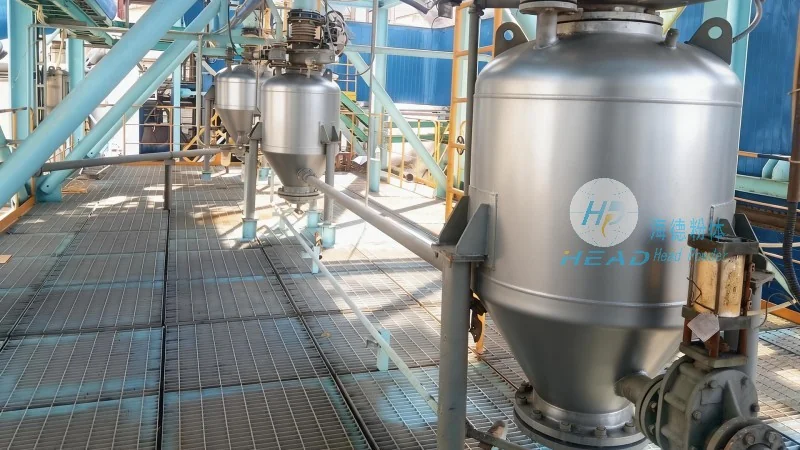
Another critical characteristic is the system's ability to handle long-distance transportation with minimal energy consumption. This is achieved through optimized pipeline design, including the use of appropriate bends, expansions, and filters to maintain consistent air pressure and material flow. The system's flexibility also allows for multiple discharge points, enabling materials to be distributed to various locations within the plant without the need for additional mechanical equipment.
Application Scenarios and Operational Advantages
The working scene characteristics of pneumatic conveying lines for steel and lime materials are evident in their widespread application across various industrial settings. In steel mills, these systems are used to transport raw materials such as limestone and dolomite to the blast furnace, as well as to move finished products like steel slabs and billets to storage or packaging areas. In lime processing plants, the systems are crucial for conveying lime powder from storage silos to processing units, ensuring a continuous and efficient supply chain.

Operational advantages of these systems include improved safety, as they eliminate the need for manual handling of heavy or dusty materials, reducing the risk of workplace accidents. Additionally, the systems offer enhanced hygiene and product quality, as they prevent cross-contamination and minimize dust exposure, which is vital in food and pharmaceutical industries that may use lime products. The compact design of pneumatic conveying lines also saves valuable floor space in industrial facilities, making them ideal for plants with limited area.
Conclusion and Company Overview
HeadPowder Engineering Co., Ltd., located in Shandong, China, leverages its expertise in pneumatic conveying technology to provide customized solutions for steel and lime material transportation. By understanding the unique working scene characteristics of each application, the company designs systems that are efficient, reliable, and cost-effective. Whether for short or long-distance transport, high or low material flow rates, HeadPowder's solutions meet the demanding requirements of modern industrial operations, ensuring optimal performance and longevity.