

What is a Boron Nitride Material Pneumatic Conveying System? And What Are Its Design Principles?
Boron nitride (BN) is a versatile inorganic compound widely used in various industrial applications due to its excellent thermal stability, chemical inertness, and lubricating properties. When handling BN powders or granules, efficient and reliable material transport is crucial to maintain product quality and operational efficiency. A pneumatic conveying system, specifically designed for boron nitride materials, addresses these needs by utilizing air or gas to move the material from one location to another. This article explores the concept of a boron nitride material pneumatic conveying system and delves into its fundamental design principles.

Understanding the Core Components of a Boron Nitride Pneumatic Conveying System
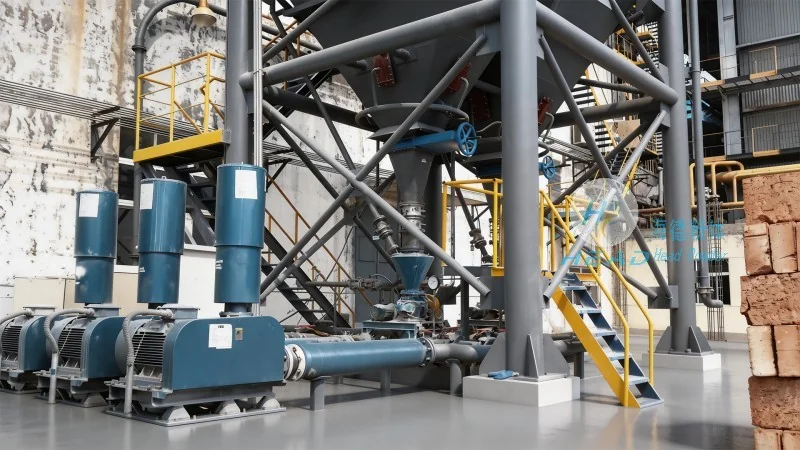
The design of a boron nitride material pneumatic conveying system involves several key components that work in tandem to ensure smooth and effective material transport. These components include the material feed system, the conveying pipeline, the air or gas supply unit, and the control mechanisms. The material feed system is responsible for introducing the boron nitride material into the system, typically through a hopper or a feeder that can handle the specific characteristics of BN powders, such as their fine particle size and potential tendency to agglomerate. The conveying pipeline, often made from materials resistant to BN's chemical properties, ensures that the material is transported without degradation or contamination. The air or gas supply unit provides the necessary pressure and flow rate to move the material through the pipeline, while the control mechanisms regulate the system's operation, ensuring consistent performance and safety.

Design Principles for Efficient Boron Nitride Material Transport
The design principles of a boron nitride material pneumatic conveying system focus on optimizing the material's movement while minimizing energy consumption and maintaining product integrity. One of the primary design considerations is the selection of the appropriate conveying method, such as dilute-phase or dense-phase transport, based on the material's properties and the required transport distance. Dilute-phase systems use lower air velocities to transport the material in a dispersed state, while dense-phase systems employ higher air velocities to create a slurry-like flow, which is often more suitable for handling fine powders like boron nitride. Another critical principle is the proper sizing of the pipeline and air velocity, as these parameters directly impact the system's efficiency and the risk of material degradation. Additionally, the system's design must account for the potential for material buildup or blockages, incorporating features like pulse jets or vibration systems to prevent clogging and ensure continuous operation.

HeadPowder's Expertise in Designing Boron Nitride Pneumatic Conveying Solutions
Shandong HeadPowder Engineering Co., Ltd., a leading manufacturer in the field, specializes in developing customized pneumatic conveying systems tailored to the unique requirements of boron nitride material handling. With years of experience and a deep understanding of the material's properties, HeadPowder's engineers design systems that balance efficiency, reliability, and cost-effectiveness. The company's approach involves thorough analysis of the client's specific needs, including the type of boron nitride material, the required transport distance, and the operational environment. This comprehensive analysis allows HeadPowder to select the most appropriate conveying method and component specifications, ensuring optimal performance. Furthermore, HeadPowder's commitment to quality and innovation is reflected in the use of advanced materials and technologies in their system designs, such as high-strength, corrosion-resistant pipelines and sophisticated control systems that enhance system stability and reduce maintenance requirements.
Key Advantages of Boron Nitride Pneumatic Conveying Systems
Implementing a boron nitride material pneumatic conveying system offers several advantages over traditional material handling methods. Firstly, it provides a dust-free and enclosed transport process, which is essential for maintaining the purity of boron nitride powders and ensuring a safe working environment. Unlike bulk handling methods that may expose workers to fine particles, pneumatic conveying systems keep the material contained within the pipeline, reducing the risk of inhalation and contamination. Secondly, these systems offer high transport efficiency, capable of moving large volumes of material over significant distances with minimal energy consumption. This efficiency is particularly beneficial for industrial applications where continuous material flow is required. Additionally, the design flexibility of pneumatic conveying systems allows for easy integration with existing production lines, making them a practical solution for upgrading or expanding material handling capabilities. Finally, the reliability of these systems, when properly designed and maintained, ensures consistent performance and reduces downtime, contributing to overall operational productivity.
Conclusion: The Importance of Specialized Design in Boron Nitride Material Handling
In conclusion, a boron nitride material pneumatic conveying system is a critical component in the efficient and safe handling of this valuable material. The design principles, which focus on material properties, system efficiency, and operational safety, are essential to achieving optimal performance. Companies like Shandong HeadPowder Engineering Co., Ltd. play a vital role in providing customized solutions that meet the specific needs of boron nitride material handling, ensuring that industries can leverage the benefits of this versatile compound without compromising on quality or safety. By understanding and implementing the right design principles, businesses can enhance their material transport processes, improve productivity, and maintain the integrity of their boron nitride products.