

What is Corn Cob Material Handling Equipment? And What Are Its Design Principles?
When it comes to processing agricultural byproducts like corn cobs, efficient material handling is crucial for optimizing workflow and ensuring consistent quality. Corn cob material handling equipment is specifically designed to manage the unique challenges posed by these organic materials, which are often bulky, irregularly shaped, and require gentle handling to preserve their integrity. This equipment plays a vital role in various industrial applications, from feed production to biofuel processing, where the efficient transport and processing of corn cobs are essential for operational success.

HeadPowder: A Leader in Corn Cob Material Handling Solutions
At Shandong HeadPowder Engineering Co., Ltd., we specialize in developing advanced material handling systems tailored to the needs of corn cob processing industries. Our company, commonly known as HeadPowder, is headquartered in Shandong, China, and has built a reputation for delivering high-quality, reliable equipment that meets the demanding requirements of modern agricultural processing. We understand that each step in the corn cob handling process—from collection and transport to storage and feeding—requires specialized equipment that can handle the unique physical properties of corn cobs, such as their fibrous texture and varying sizes. Our team of engineers and technicians works closely with clients to design and manufacture equipment that enhances productivity while maintaining the quality of the raw material.
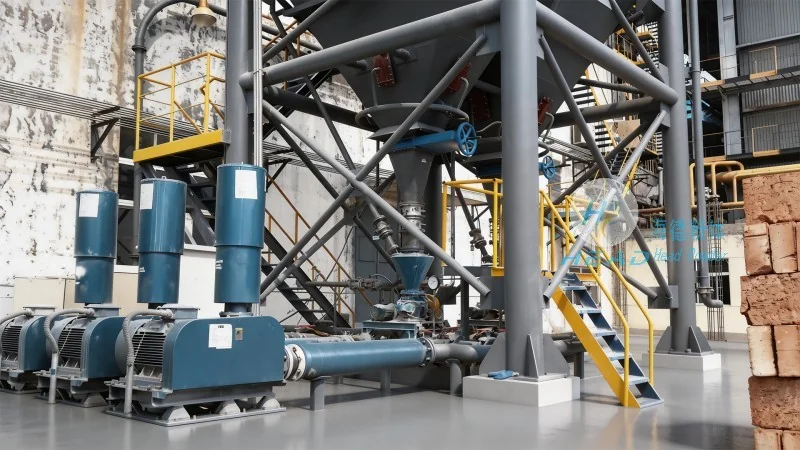
The Design Principles of Corn Cob Material Handling Equipment
The design of corn cob material handling equipment is guided by several key principles that ensure optimal performance and durability. First, the equipment must be designed to handle the irregular shape and varying size of corn cobs without causing damage or breakage. This often involves the use of flexible or adjustable components, such as conveyor belts with reinforced edges or rollers that can accommodate different dimensions. Second, the equipment needs to minimize friction and abrasion, as corn cobs can be abrasive and may cause wear on metal parts if not properly managed. To address this, many systems incorporate protective coatings or specialized materials, such as rubber or polyurethane, on contact surfaces. Third, the design prioritizes efficiency and energy conservation. This includes optimizing the speed and capacity of the conveyor systems to match the production rate, reducing unnecessary energy consumption. Additionally, the equipment is designed for easy maintenance and cleaning, as corn cobs can leave residue that may affect performance over time. Our engineers at HeadPowder focus on these principles to create equipment that is not only effective but also cost-efficient and long-lasting.

Key Components and Functional Aspects
Modern corn cob material handling equipment typically consists of several key components that work together to ensure smooth operation. The primary component is the conveyor system, which may include belt conveyors, screw conveyors, or bucket elevators, depending on the specific application. Belt conveyors are commonly used for horizontal or slight incline transport, providing a gentle and continuous movement of corn cobs. Screw conveyors are ideal for vertical or inclined transport, as they can handle materials with a higher angle of repose and are effective in compact spaces. Bucket elevators are used for vertical lifting, often in feed mills or biofuel plants, where corn cobs need to be elevated to higher levels for further processing. In addition to the conveyor system, the equipment may include feeding mechanisms, such as hoppers or feeders, that regulate the flow of corn cobs into the system. These components are designed to minimize blockages and ensure a consistent feed rate, which is critical for maintaining the efficiency of downstream processes. The design also incorporates safety features, such as emergency stop buttons and protective guards, to prevent accidents and ensure operator safety. At HeadPowder, we ensure that all components are manufactured with high-quality materials and precision engineering to meet the rigorous demands of corn cob handling.

Applications and Benefits
Corn cob material handling equipment is widely used in various industries, including animal feed production, biofuel manufacturing, and agricultural processing. In animal feed production, the equipment is used to transport corn cobs from storage to feed mills, where they are processed into feed for livestock. The gentle handling of the equipment ensures that the corn cobs retain their nutritional value, which is essential for the health and growth of animals. In biofuel production, corn cobs are used as a raw material for producing ethanol or other biofuels. The efficient handling of the equipment reduces the time and cost associated with processing the raw material, making the biofuel production process more economical. Additionally, the equipment can be used in agricultural processing facilities to transport corn cobs for further processing, such as grinding or pelleting. The benefits of using corn cob material handling equipment extend beyond efficiency and cost savings. The equipment also helps to improve workplace safety by reducing the need for manual handling of heavy or bulky corn cobs. This reduces the risk of injuries and improves the overall working environment. Furthermore, the equipment can help to maintain the quality of the corn cobs by minimizing damage and preserving their natural properties. This is particularly important in industries where the quality of the raw material directly impacts the final product.