

Types and Practical Applications of Pneumatic Conveying Systems for Bulk Material Handling
HeadPowder, a leading engineering firm based in Shandong, China, specializes in the design, manufacturing, and implementation of advanced pneumatic conveying systems tailored for bulk material handling. This article explores the various types of pneumatic conveying systems and their practical applications in industrial settings, providing insights into how these technologies enhance operational efficiency and material transport reliability.
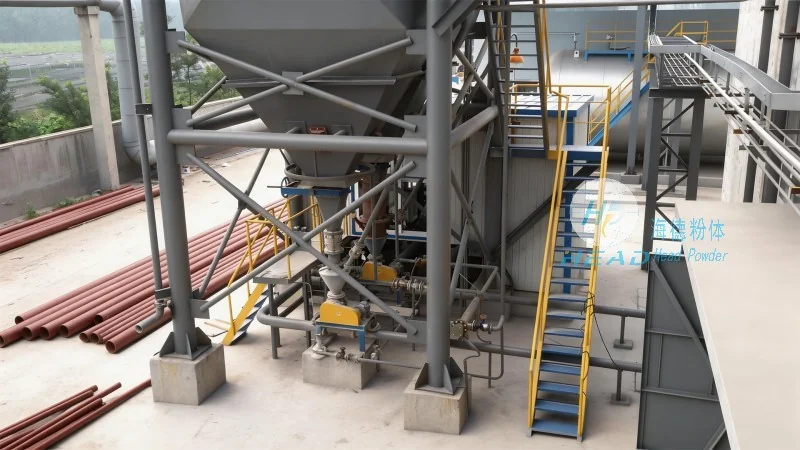
Introduction to Pneumatic Conveying Systems
Pneumatic conveying systems are essential in modern industrial processes for transporting dry bulk materials over short to medium distances. These systems utilize compressed air or other gases to move materials through a pipeline network, offering a flexible and efficient alternative to traditional mechanical conveying methods such as belt conveyors or screw conveyors. The choice of system type depends on factors like material characteristics, distance, and process requirements, making it crucial to understand the different configurations available.
Types of Pneumatic Conveying Systems
There are primarily two main categories of pneumatic conveying systems: pressure and vacuum systems. Each type has distinct advantages and is suited for specific applications.
Pressure Conveying Systems
Pressure systems operate by introducing compressed air into a sealed pipeline, creating a positive pressure that propels the material forward. This method is ideal for transporting materials over longer distances and can handle a wide range of particle sizes and densities. Pressure systems are commonly used in industries such as food processing, pharmaceuticals, and chemical manufacturing where product purity and contamination control are critical.
Vacuum Conveying Systems
Vacuum systems, on the other hand, create a negative pressure within the pipeline to draw material from a source into the system. These systems are particularly effective for short-distance transport and are often used in applications where material is collected from multiple points or needs to be moved from a lower elevation to a higher one. Vacuum systems are suitable for handling fine powders and granules and are commonly employed in agricultural and food processing industries.
Practical Applications of Pneumatic Conveying Systems
Pneumatic conveying systems find widespread use across various industries due to their adaptability and efficiency. Here are some key applications:

Food and Beverage Industry
In the food and beverage sector, pneumatic conveying systems are used to transport ingredients like flour, sugar, and spices. The systems ensure hygienic and contamination-free material handling, which is essential for maintaining product quality and compliance with regulatory standards. For example, in a bakery, a pressure system can efficiently move flour from storage silos to mixing equipment, while a vacuum system can handle fine powders like cocoa without the risk of clogging or contamination.
Pharmaceutical Industry
The pharmaceutical industry requires stringent control over material handling to prevent cross-contamination and ensure product safety. Pneumatic conveying systems, especially pressure systems, are widely used to transport active pharmaceutical ingredients (APIs) and excipients. These systems are designed with stainless steel components and advanced filtration to meet the high standards of GMP (Good Manufacturing Practice) regulations. The ability to handle fine powders and maintain a sterile environment makes pneumatic conveying a preferred choice in pharmaceutical manufacturing.
Chemical and Petrochemical Industry
In the chemical and petrochemical industries, pneumatic conveying systems are used to transport raw materials, intermediates, and finished products. These systems can handle abrasive and corrosive materials, and their modular design allows for easy integration into existing production lines. For instance, in a chemical plant, a vacuum system can be used to collect dust from a reactor and transport it to a filtration unit, while a pressure system can move bulk chemicals between processing units.
Construction and Mining Industry
The construction and mining sectors benefit from pneumatic conveying systems for transporting bulk materials such as sand, gravel, and minerals. These systems are robust and can handle high volumes of material, making them suitable for large-scale operations. In mining, pneumatic conveying is used to transport ore from the mine to processing facilities, reducing the need for heavy machinery and improving safety in hazardous environments.

Advantages of Pneumatic Conveying Systems
Compared to traditional mechanical conveying methods, pneumatic conveying systems offer several advantages that make them a preferred choice in many industrial applications.
Flexibility and Versatility
Pneumatic conveying systems can be easily reconfigured to accommodate changes in production processes or material types. The ability to route material through multiple branches or to adjust the flow rate makes these systems highly adaptable. This flexibility is particularly valuable in industries where product lines are frequently changed or where material sources vary.
Reduced Maintenance and Downtime
Unlike mechanical conveyors that require regular maintenance and can suffer from wear and tear, pneumatic systems have fewer moving parts and are less prone to breakdowns. The absence of belts, screws, or chains reduces the risk of mechanical failure and minimizes downtime. This leads to lower maintenance costs and increased operational reliability.
Improved Safety and Hygiene
Pneumatic conveying systems are enclosed, which helps prevent dust emissions and ensures a safer working environment. In industries such as food and pharmaceuticals, the enclosed design is crucial for maintaining hygiene standards and preventing contamination. Additionally, the systems can be equipped with advanced filtration and cleaning mechanisms to further enhance safety and product quality.
Conclusion
Pneumatic conveying systems are a vital component of modern industrial operations, offering efficient, flexible, and safe solutions for bulk material handling. Whether used in food processing, pharmaceutical manufacturing, chemical production, or mining, these systems enhance productivity and ensure compliance with industry standards. HeadPowder, with its expertise in engineering and implementation, provides tailored pneumatic conveying solutions that meet the specific needs of each client, ensuring optimal performance and reliability in material transport applications.