

Comparison of Common Sorghum Conveying Methods: Advantages and Disadvantages
When it comes to handling sorghum, selecting the right conveying method is crucial for efficiency and cost-effectiveness. Different industries, such as grain processing and agricultural production, rely on various systems to transport sorghum from one point to another. This article provides a detailed comparison of common sorghum conveying methods, highlighting their advantages and disadvantages to help businesses make informed decisions.

1. Belt Conveyor System
The belt conveyor is one of the most widely used methods for sorghum transportation due to its simplicity and reliability. It consists of a continuous loop of material that moves along a flat or slightly inclined surface. This system is particularly effective for long-distance horizontal or slight incline transport. The advantages of belt conveyors include high capacity, low maintenance costs, and the ability to operate continuously without frequent stops. However, they have limitations when it comes to vertical lifting, as the angle of inclination is restricted to prevent material spillage. Additionally, belt conveyors may not be suitable for transporting very fine or sticky sorghum particles, which can cause slippage or blockages.
2. Bucket Elevator (or Screw Conveyor)
For vertical or steep incline transportation of sorghum, bucket elevators are often preferred. These systems use a series of buckets attached to a rotating chain or belt that moves vertically. The buckets scoop up the sorghum and transport it upward, making them ideal for elevating sorghum from ground level to storage silos or processing facilities. The primary advantage of bucket elevators is their ability to handle vertical lifts efficiently, with minimal space requirements. They are also capable of transporting sorghum at high speeds, increasing throughput. On the downside, bucket elevators can be more complex and expensive to install compared to belt conveyors. Maintenance is also more involved, as the buckets and chains require regular inspection and replacement. Furthermore, they may not be as effective for handling very large or irregularly shaped sorghum grains.
3. Pneumatic Conveying System
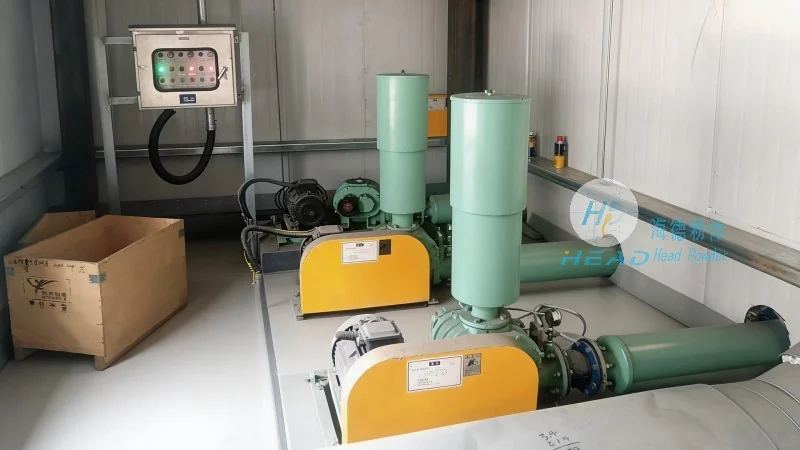
Pneumatic conveying, or air-based transport, uses compressed air to move sorghum through a pipeline. This method is particularly useful for transporting sorghum in dusty environments or over long distances where other systems might be impractical. The advantages of pneumatic conveying include the ability to transport sorghum in a closed system, reducing dust exposure and environmental impact. It also allows for flexible routing, as the pipeline can be installed in various configurations. However, this system has significant disadvantages, including higher energy consumption compared to mechanical systems. The cost of compressed air and the need for robust pipeline systems can increase operational expenses. Additionally, pneumatic conveying may not be suitable for very fine sorghum particles, as they can cause clogging in the pipes. The system also requires regular cleaning to prevent material buildup.

4. Screw Conveyor (or Auger)
Screw conveyors use a rotating screw within a tube to move sorghum along a horizontal or slight incline path. This method is commonly used for short-distance transport within processing plants, such as moving sorghum from a storage bin to a milling machine. The advantages of screw conveyors include their compact design and ability to handle a wide range of sorghum types, including wet or sticky materials. They are relatively simple and low-cost to install and maintain. However, screw conveyors have limitations in terms of capacity and speed. They are not as efficient for long-distance transport and may cause more wear and tear on the sorghum due to the friction between the screw and the material. Additionally, they are less effective for vertical lifting compared to bucket elevators.

5. Comparison and Selection Criteria
Choosing the right sorghum conveying method depends on several factors, including the distance of transport, the required elevation, the type of sorghum (e.g., grain size, moisture content), and the available budget. Belt conveyors are ideal for long horizontal or slight incline transport with high capacity needs. Bucket elevators are best for vertical lifting and steep inclines. Pneumatic systems are suitable for long-distance transport in enclosed environments, while screw conveyors are perfect for short-distance, horizontal transport within processing facilities. Businesses should consider the specific requirements of their operation and evaluate the pros and cons of each method to select the most efficient and cost-effective solution.
Conclusion
Efficient sorghum conveying is essential for optimizing production processes and reducing operational costs. By understanding the advantages and disadvantages of common conveying methods, businesses can make informed decisions that enhance their operations. For more information on specialized sorghum conveying solutions, contact Shandong HeadPowder Engineering Co., Ltd., a leading provider of engineering solutions for grain processing and agricultural industries.