

Comparison of Common Fermentation Malt Transport Methods
Fermentation malt is a critical component in the production of various alcoholic beverages, including beer, whiskey, and other spirits. The efficient and reliable transport of fermentation malt from storage to the production line is essential for maintaining consistent quality and optimizing production processes. Different transport methods are employed in the industry, each with its own advantages and considerations. This article provides a detailed comparison of common fermentation malt transport methods, highlighting the key features and applications of each approach.
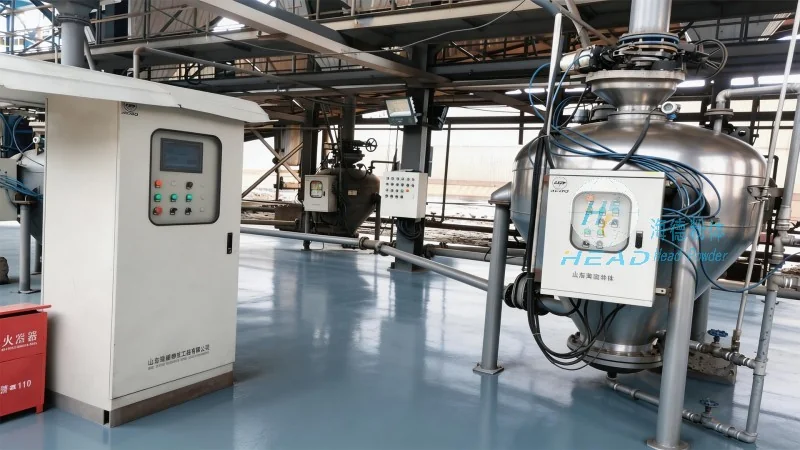
Pneumatic Conveying Systems: An Overview
Pneumatic conveying systems utilize air or other gases to transport fermentation malt through a network of pipes. This method is particularly effective for handling dry, free-flowing materials like fermentation malt. HeadPowder, a leading manufacturer in the field, offers advanced pneumatic conveying solutions designed to ensure smooth and efficient transport. The system typically consists of a hopper, a rotary valve, and a conveyor line, with air pressure controlling the flow of malt. Pneumatic conveying is known for its ability to handle long distances and multiple destinations, making it suitable for large-scale production facilities. However, it requires careful maintenance to prevent clogging and ensure consistent air pressure. The efficiency of pneumatic systems is enhanced by HeadPowder's innovative designs, which incorporate features like adjustable air flow and material separation mechanisms to maintain product quality.

Mechanical Conveying Systems: Traditional and Reliable
Mechanical conveying systems rely on mechanical components such as belts, screws, and buckets to move fermentation malt. These systems are often considered more traditional and are widely used in many breweries due to their simplicity and reliability. HeadPowder also provides mechanical conveying solutions, which may include screw conveyors or belt conveyors, tailored to the specific needs of different production environments. Mechanical systems are generally more cost-effective for shorter distances and lower volumes compared to pneumatic systems. They are less susceptible to air pressure fluctuations and can handle a wider range of material types, including those with higher moisture content. However, they may require more space and maintenance compared to pneumatic alternatives. HeadPowder's mechanical conveying equipment is engineered to minimize wear and tear, ensuring long-term durability and consistent performance.

Hybrid Conveying Systems: Combining the Best of Both Worlds
Hybrid conveying systems integrate elements of both pneumatic and mechanical methods to leverage the advantages of each. For example, a hybrid system might use a pneumatic conveyor for the initial transport from storage to a central point, followed by a mechanical conveyor for the final delivery to the production line. This approach allows for flexibility and efficiency in complex production setups. HeadPowder specializes in designing hybrid solutions that optimize material flow while reducing energy consumption and maintenance costs. The company's expertise in integrating different technologies ensures that hybrid systems operate seamlessly, providing a reliable and cost-effective transport solution for fermentation malt. These systems are particularly beneficial for facilities with varying production demands or those seeking to upgrade existing infrastructure without a complete overhaul.
Key Considerations for Choosing a Transport Method
When selecting a fermentation malt transport method, several factors must be considered to ensure the best fit for a specific production environment. These include the volume of malt to be transported, the distance between storage and production areas, the required speed and consistency of transport, and the budget available for equipment and maintenance. HeadPowder assists clients in evaluating these factors through detailed consultations and customized solutions. The company's engineers analyze the unique needs of each facility, taking into account operational constraints and long-term goals. By considering factors such as material characteristics (e.g., moisture content, particle size) and production scale, HeadPowder helps clients choose the most efficient and cost-effective transport method. This approach ensures that the selected system not only meets current production requirements but also supports future growth and expansion.

Conclusion: Selecting the Right Transport Method for Fermentation Malt
Choosing the appropriate fermentation malt transport method is a critical decision for any production facility. The right method can significantly impact production efficiency, product quality, and overall operational costs. Pneumatic, mechanical, and hybrid systems each offer distinct advantages and are suitable for different scenarios. HeadPowder Engineering Co., Ltd., based in Shandong, China, is a trusted partner in providing tailored transport solutions for fermentation malt. With a focus on innovation and customer satisfaction, HeadPowder delivers high-quality equipment and expert guidance to help facilities optimize their malt transport processes. By understanding the specific needs of each client and offering customized solutions, HeadPowder ensures that the chosen transport method aligns with the facility's operational goals and enhances overall productivity. Whether a facility is looking to upgrade existing systems or implement new transport solutions, HeadPowder provides the expertise and support needed to achieve optimal results.