

Introduction to PFA Powder Conveying System: Structure and Working Principle Overview
For industries dealing with polytetrafluoroethylene (PTFE) and its fluoropolymer variants, such as polytetrafluoroethylene copolymer (PFA), efficient and reliable powder handling is crucial. The PFA powder conveying system, engineered by Shandong HeadPowder Engineering Co., Ltd., addresses the unique challenges associated with transporting fine PFA powders, ensuring consistent performance and minimal material loss. This system is designed to meet the stringent requirements of various industrial applications, from manufacturing to processing, by integrating advanced engineering principles and robust construction.

Structural Components and Design Principles
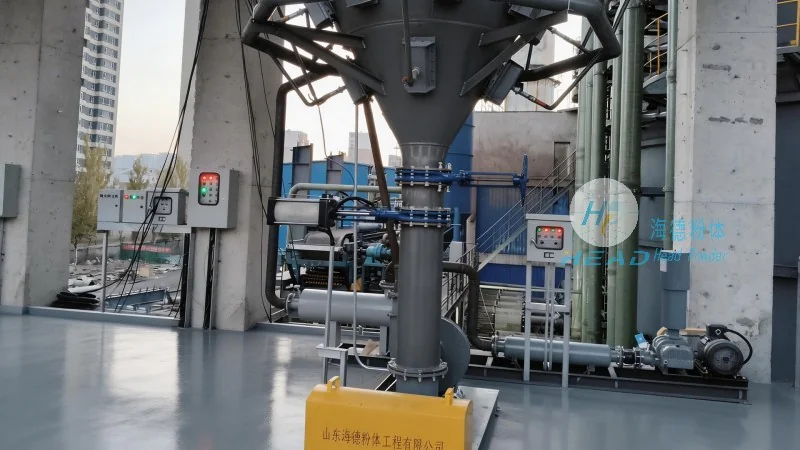
The PFA powder conveying system from HeadPowder features a modular design that enhances both flexibility and durability. Key components include the hopper, which is equipped with a discharge valve to control the flow of PFA powder, and a conveyor mechanism that can be customized based on the specific characteristics of the powder, such as particle size and moisture content. The system incorporates airtight seals and corrosion-resistant materials, such as stainless steel and PTFE-coated components, to prevent contamination and ensure long-term reliability. The design also prioritizes ease of maintenance, with accessible parts that allow for quick inspection and replacement, reducing downtime in production processes. Specifically, the hopper is designed with a conical shape to facilitate uniform powder flow, minimizing the risk of agglomeration or caking. The discharge valve is equipped with a pneumatic actuator that allows for precise control over the powder release rate, ensuring consistent feed to the conveyor. The conveyor itself is constructed from high-strength materials, such as carbon steel with PTFE lining, to withstand the abrasive nature of PFA powders and prevent material buildup.

Working Principle and Operational Efficiency
The core of the PFA powder conveying system operates on the principle of pneumatic or mechanical transport, depending on the application requirements. In pneumatic systems, compressed air is used to create a pressure differential that moves the PFA powder through the pipeline. The system includes a filter and regulator to maintain consistent air pressure, ensuring smooth and continuous transport. For mechanical systems, a screw or auger conveyor is employed, which is particularly effective for handling larger or more abrasive powders. The HeadPowder system integrates sensors and controls to monitor the flow rate and pressure, providing real-time feedback to optimize performance. This approach not only improves operational efficiency but also enhances safety by preventing overloading or blockages in the conveyor lines. The pneumatic system, for instance, uses a positive displacement blower to generate the necessary air pressure, with adjustable speed controls to match the production rate. The mechanical system, on the other hand, features a variable-speed motor that allows for precise control over the conveyor speed, adapting to changes in powder feed rate. Both systems include safety features, such as pressure relief valves and overload protection, to prevent damage to the equipment and ensure operator safety.

Application-Specific Customization
HeadPowder understands that different industrial processes have varying needs when it comes to PFA powder handling. Therefore, the conveying system is designed to be adaptable to a range of applications, including chemical processing, pharmaceutical manufacturing, and electronics production. The system can be configured with different hopper sizes, conveyor lengths, and material handling capabilities to suit specific production volumes and material characteristics. For example, in pharmaceutical applications where purity is paramount, the system includes additional filtration and cleaning features to maintain compliance with industry standards. The hopper and conveyor components are made from food-grade materials, and the system is equipped with HEPA filters to remove any airborne particles, ensuring that the PFA powder remains free from contaminants. Similarly, in high-temperature environments, such as those found in semiconductor manufacturing, the components are engineered to withstand extreme temperatures, with thermal insulation applied to the conveyor housing to prevent heat transfer to the powder. The electronics industry, which often requires high-purity PFA powders for insulation and coating applications, benefits from the system's ability to handle fine powders without generating excessive dust, reducing the risk of contamination in sensitive manufacturing processes.
Quality Assurance and Maintenance
Shandong HeadPowder Engineering Co., Ltd. places a strong emphasis on quality assurance throughout the design, manufacturing, and testing phases of the PFA powder conveying system. Each component undergoes rigorous testing to ensure it meets or exceeds industry standards for performance and durability. The system is also equipped with diagnostic tools that allow for proactive maintenance, helping to identify potential issues before they lead to system failures. Regular maintenance procedures, including cleaning and lubrication of moving parts, are recommended to extend the lifespan of the equipment. The company provides comprehensive support, including training for operators and technical assistance for troubleshooting, to ensure that clients can maximize the system's performance and minimize operational costs. For instance, the system includes a built-in pressure sensor that alerts operators to any changes in pressure, indicating a potential blockage or leak. The maintenance schedule includes periodic inspection of the seals and bearings, with replacement parts readily available to minimize downtime. The HeadPowder team also conducts on-site inspections and performance audits to ensure that the system is operating at optimal levels, providing clients with peace of mind and reliable performance.