

Introduction to Potassium Chloride Powder Handling Systems: Structure and Working Principles
HeadPowder, a leading provider of industrial powder handling solutions, specializes in the design and implementation of efficient systems for transporting potassium chloride. This article provides an overview of the potassium chloride powder handling system, detailing its structural components and operational principles to help users understand its functionality and benefits.
Company Profile and Background
Shandong HeadPowder Engineering Co., Ltd., commonly known as HeadPowder, is a professional manufacturer and supplier of advanced powder handling equipment. With a focus on innovation and customer-centric solutions, the company has established itself as a trusted partner in the chemical and industrial sectors. HeadPowder operates from its headquarters in Shandong, China, where it develops and manufactures systems tailored to meet the specific needs of its clients.
Overview of Potassium Chloride Powder Handling Systems
Potassium chloride (KCl) is a widely used chemical compound in agriculture, food processing, and pharmaceutical industries. Its granular or powder form requires specialized equipment for safe and efficient transportation. The potassium chloride powder handling system is engineered to address the challenges of handling such materials, ensuring minimal dust generation, consistent flow, and reliable operation. This system is designed to handle bulk quantities of KCl, facilitating its movement from storage to processing or packaging stages.

Structural Components of the System
The potassium chloride powder handling system comprises several key components that work in tandem to ensure smooth operation. These components include:

- Feeding Hopper: A large, hopper-shaped container that stores the bulk potassium chloride. It is designed with a sloped bottom to facilitate material flow and prevent clogging. The hopper is typically made of corrosion-resistant materials to withstand the chemical properties of KCl.
- Vibrating Feeder: An essential component that regulates the flow of KCl from the hopper into the subsequent processing equipment. The vibrating feeder uses mechanical vibrations to maintain a consistent and controlled discharge rate, preventing overloading or underflow.
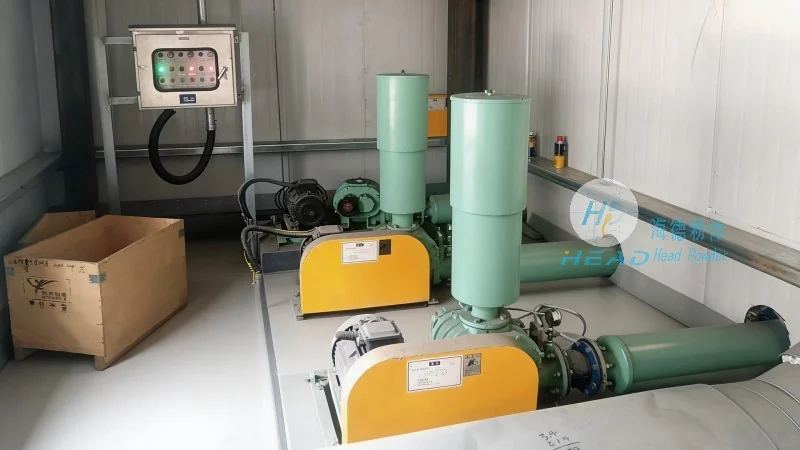
- Pneumatic Conveying Pipeline: This section of the system uses compressed air to transport the potassium chloride powder through a network of pipes. The pipeline is constructed from durable materials, such as stainless steel or PVC, to prevent material degradation and ensure long-term performance.
- Control Panel: A centralized control unit that monitors and regulates the operation of the entire system. The control panel includes sensors, valves, and automation systems to adjust the flow rate, pressure, and other parameters in real-time, ensuring optimal performance and safety.
- Receiving Hopper or Storage Bin: The final component of the system, which collects the transported potassium chloride. This hopper is designed to store the material until it is further processed or packaged, ensuring a continuous supply to downstream operations.
Working Principles of the System
The operation of the potassium chloride powder handling system follows a sequential process, leveraging the interaction of its structural components. The system begins with the storage of potassium chloride in the feeding hopper. The vibrating feeder then initiates the material flow by adjusting the discharge rate based on the required output. The pneumatic conveying pipeline uses compressed air to create a positive pressure environment, which propels the KCl particles through the pipeline. The control panel continuously monitors the system's performance, adjusting the air pressure and flow rate as needed to maintain consistent material transport. The receiving hopper collects the transported KCl, completing the cycle and preparing the material for subsequent processing or packaging.

Key Features and Benefits
The potassium chloride powder handling system offers several advantages that make it suitable for industrial applications. These include:
- Efficient Material Transport: The system ensures a consistent and reliable flow of potassium chloride, minimizing downtime and maximizing productivity.
- Low Dust Generation: The design of the system, including sealed hoppers and enclosed pipelines, reduces dust emissions, enhancing workplace safety and environmental compliance.
- Corrosion Resistance: The use of corrosion-resistant materials in the construction of the system components ensures long-term durability and reduces maintenance costs.
- Customizable Solutions: HeadPowder provides tailored systems that can be adapted to the specific requirements of different industrial applications, ensuring optimal performance.
Conclusion
HeadPowder's potassium chloride powder handling system is a robust and efficient solution for transporting bulk potassium chloride. By understanding its structural components and operational principles, users can appreciate the system's ability to meet the demands of modern industrial processes. With its focus on safety, reliability, and performance, this system is an essential asset for any facility handling potassium chloride.