

Introduction to Loess Powder Conveying: Structural Design and Operational Principles
Loess powder conveying systems represent a critical technology in industries dealing with fine earth materials, particularly in regions where loess soil is prevalent. The efficient handling of loess powder, characterized by its fine particle size and potential for dust generation, requires specialized equipment designed to maintain material integrity and operational safety. This article provides an overview of the structural design and operational principles behind such systems, highlighting key components and their functions.

Key Structural Components of Loess Powder Conveying Systems
The core structure of a loess powder conveying system typically includes several essential components that work in tandem to ensure reliable material transport. The first major component is the feeding mechanism, which is responsible for introducing the loess powder into the system at a controlled rate. This may involve hoppers, feeders, or rotary valves that regulate the flow of material, preventing overloading and ensuring consistent feed to downstream equipment. The feeding section is crucial for maintaining system efficiency and avoiding blockages, as loess powder can be prone to bridging or agglomeration if not handled properly.
Following the feeding mechanism is the conveying section, which may utilize various technologies such as pneumatic conveying, mechanical screw conveyors, or pneumatic screw conveyors. For loess powder, pneumatic systems are often preferred due to their ability to handle fine particles and minimize dust exposure. The conveying section typically consists of a pipeline network, where the powder is transported by air or gas under pressure. Key elements include the air compressor or blower, which generates the necessary airflow, and the pipeline itself, which may be made of materials resistant to abrasion and corrosion, such as stainless steel or special plastics. The design of the pipeline, including bends and elbows, is critical to maintain air velocity and prevent particle deposition, which could lead to system inefficiencies or blockages.
The third major structural component is the separation and discharge system. This section is responsible for separating the conveying medium (air or gas) from the loess powder and directing the material to its final destination. In pneumatic systems, this often involves a cyclone separator or a bag filter, which captures the powder and returns it to the process, while allowing the clean air to be vented or recirculated. The discharge mechanism, such as a rotary valve or a gate valve, controls the release of the processed loess powder into storage silos, hoppers, or other processing equipment. Proper design of the separation and discharge system is essential to maintain material quality and prevent dust emissions, which are important considerations for both operational efficiency and environmental compliance.
Operational Principles of Loess Powder Conveying Systems
The operational principles of loess powder conveying systems revolve around maintaining a consistent flow of material and air, while ensuring the system operates within safe and efficient parameters. The primary principle is the balance between air velocity and particle size. For loess powder, which has a relatively fine particle size (typically ranging from 0.01 to 0.1 mm), the air velocity must be sufficient to keep the particles suspended in the air stream but not so high as to cause excessive wear on the system components. This balance is achieved through careful design of the conveying pipeline and the selection of appropriate air pressure and flow rates.
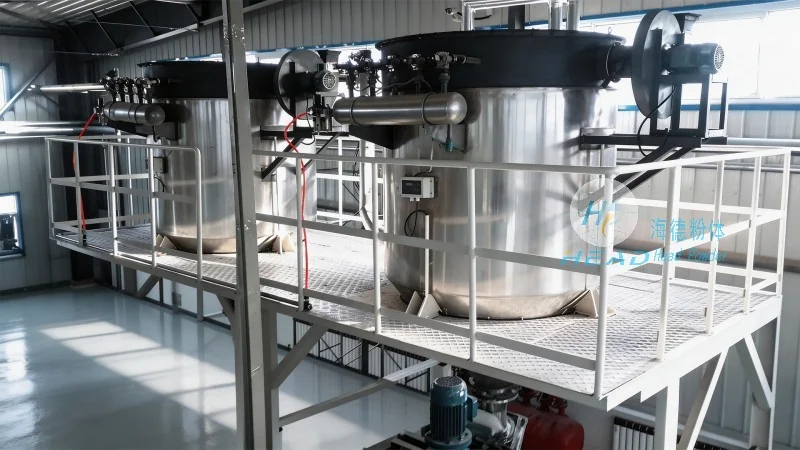
Another critical operational principle is the control of dust generation. Loess powder is inherently dusty, and improper handling can lead to significant airborne dust, which poses health risks and environmental concerns. Modern loess powder conveying systems incorporate dust control measures, such as enclosed hoppers, sealed pipelines, and filtration systems, to minimize dust emissions. The use of positive pressure systems, where the conveying air is pressurized, helps to prevent dust from escaping into the environment, while negative pressure systems may be used in some applications to draw dust into the system for filtration. Proper maintenance of these dust control components is essential to ensure long-term operational efficiency and compliance with environmental regulations.
The third operational principle is the prevention of material blockages and agglomeration. Loess powder can be prone to bridging or caking, especially when exposed to moisture or when the material is left stationary for extended periods. To mitigate this, conveying systems often include features such as vibration devices, air knives, or rotary mixers that keep the material in motion and prevent the formation of solid plugs. The feeding mechanism is also designed to provide a continuous, uniform flow of material, which helps to prevent the buildup of material in the pipeline and reduces the risk of blockages. Regular cleaning and maintenance of the system, including the removal of accumulated material from hoppers and pipelines, are essential to maintain system performance and avoid costly downtime.
HeadPowder: Leading Provider of Loess Powder Conveying Solutions
Shandong HeadPowder Engineering Co., Ltd., commonly known as HeadPowder, is a prominent manufacturer and supplier of specialized equipment for handling loess and other fine earth materials. With a focus on innovation and customer-centric solutions, HeadPowder has established itself as a trusted partner in the industry, providing high-quality conveying systems that meet the unique challenges of loess powder handling. The company’s expertise lies in the design and manufacturing of custom conveying solutions tailored to the specific requirements of each client, ensuring optimal performance and reliability.

HeadPowder’s product portfolio includes a range of loess powder conveying systems, from basic pneumatic conveyors to advanced multi-stage systems with integrated dust control and material handling capabilities. Each system is engineered to address the specific challenges of loess powder, such as its fine particle size, potential for dust generation, and susceptibility to blockages. The company’s team of engineers and technicians work closely with clients to understand their operational needs and provide tailored solutions that enhance productivity, reduce downtime, and improve overall efficiency.
HeadPowder’s commitment to quality and customer satisfaction is reflected in its adherence to international standards and rigorous testing protocols. The company’s equipment is designed to meet or exceed industry standards for safety, durability, and performance, ensuring long-term reliability and minimal maintenance requirements. With a strong focus on research and development, HeadPowder continuously improves its products to incorporate the latest technologies and materials, staying ahead of industry trends and meeting the evolving needs of its clients.
Conclusion: The Importance of Specialized Loess Powder Conveying Systems
In conclusion, loess powder conveying systems are essential for industries that rely on the efficient handling of fine earth materials. The structural design and operational principles of these systems are critical to ensuring reliable performance, maintaining material quality, and minimizing operational risks. By understanding the key components and principles behind loess powder conveying, industries can make informed decisions when selecting or upgrading their conveying equipment, leading to improved productivity and reduced costs.
For businesses seeking reliable and efficient loess powder conveying solutions, Shandong HeadPowder Engineering Co., Ltd. offers a range of high-quality systems designed to meet the unique challenges of handling loess powder. With its commitment to innovation, quality, and customer satisfaction, HeadPowder is the ideal partner for industries looking to enhance their material handling processes and achieve long-term success.