

Continuous Material Feeding Pneumatic Conveying: An Introduction to Its Structure and Working Princi
HeadPowder, a leading manufacturer based in Shandong, China, specializes in the design and production of advanced pneumatic conveying systems. This article provides an overview of continuous material feeding pneumatic conveying, detailing its structural components and operational principles to help users understand the technology's efficiency and versatility.

Understanding Continuous Material Feeding Pneumatic Conveying
Continuous material feeding pneumatic conveying is a method used to transport bulk materials through a pipeline using air or other gases as the conveying medium. Unlike batch or intermittent systems, this technology offers a steady, uninterrupted flow of material, making it ideal for applications requiring consistent and reliable material handling. The system's design focuses on maintaining a continuous feed, which enhances process efficiency and reduces downtime associated with material transfer.
Key Structural Components of the System
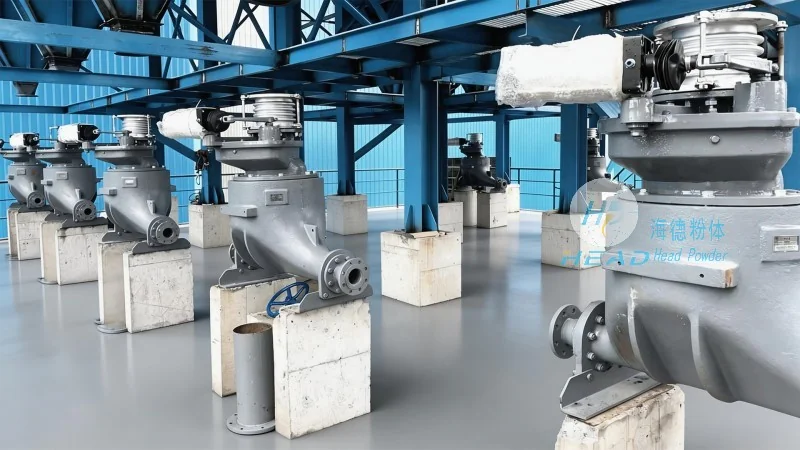
The continuous material feeding pneumatic conveying system consists of several critical components that work in tandem to ensure smooth operation. These include the material feeder, which continuously supplies the bulk material into the conveying line; the air compressor or blower, which generates the necessary air pressure to move the material; the conveying pipeline, which transports the material from the feeder to the discharge point; and the separation and collection equipment, such as cyclones or filters, which separate the material from the air at the end of the line.
Working Principle of the System
The operation of the continuous material feeding pneumatic conveying system begins with the material feeder, which continuously feeds the bulk material into the pipeline. The air compressor then supplies high-pressure air, which mixes with the material and creates a slurry or suspension that travels through the pipeline. As the mixture moves, the air and material are separated at the discharge point using separation equipment. The material is collected in a hopper or storage container, while the air is either recirculated or vented, depending on the system design. This continuous process ensures a steady flow of material, minimizing the need for manual intervention and enhancing overall system performance.

Advantages of Continuous Material Feeding Pneumatic Conveying
Continuous material feeding pneumatic conveying offers several advantages over traditional material handling methods. The primary benefit is the ability to maintain a constant flow of material, which improves production efficiency and reduces the risk of material buildup or blockages. Additionally, the system is highly flexible, allowing for easy integration with existing production lines and the ability to handle a wide range of materials, from powders to granules. The enclosed pipeline design also helps to contain dust and prevent environmental contamination, making it suitable for applications in industries such as food, pharmaceuticals, and chemicals. Furthermore, the system's compact design and low maintenance requirements contribute to cost savings and increased operational reliability.

Applications in Various Industries
Continuous material feeding pneumatic conveying is widely used across multiple industries due to its adaptability and efficiency. In the food and beverage industry, it is used to transport ingredients like flour, sugar, and spices, ensuring hygienic and dust-free handling. The pharmaceutical industry benefits from the system's ability to handle sensitive materials without contamination, maintaining product quality and regulatory compliance. In the chemical industry, the system is used to transport powders and granules, such as fertilizers and chemicals, while minimizing the risk of explosion or dust explosion. Additionally, the system is used in the mining and construction sectors to transport raw materials and waste products, improving the efficiency of material processing and disposal.
Conclusion
Continuous material feeding pneumatic conveying is a sophisticated technology that enhances material handling efficiency and reliability. With its continuous flow capability and robust structural design, the system is a preferred choice for industries requiring consistent and safe material transport. HeadPowder, with its expertise in engineering and manufacturing, provides high-quality pneumatic conveying systems that meet the diverse needs of its clients. By understanding the structural components and working principles of this technology, users can make informed decisions about implementing it in their operations, leading to improved productivity and cost savings.