

The Operation Process and Working Principle of Silicate Material Pneumatic Conveying Equipment
HeadPowder, a leading manufacturer based in Shandong, China, specializes in the design and production of advanced pneumatic conveying systems tailored for handling silicate materials. This article provides a detailed overview of the operation process and working principles of such equipment, highlighting the technical aspects and practical applications in industrial settings.

Silicate materials, including various types of powders and granules derived from silica compounds, present unique challenges in material handling due to their particle size, flow properties, and potential for dust generation. Traditional conveying methods like belt conveyors or screw conveyors may not be suitable for these materials, as they can lead to blockages, material degradation, or excessive wear on equipment components. Pneumatic conveying systems offer a solution by utilizing air pressure to transport materials through a pipeline network, ensuring efficient, dust-free, and low-maintenance operation.
The core components of a silicate material pneumatic conveying system typically include a material feeder, a conveying line (often equipped with pressure vessels or vacuum pumps), a control system, and a discharge device. The operation process begins with the material being fed into the system, either through a hopper or a rotary valve, which ensures a consistent flow rate. The feeder then transfers the material into the conveying line, where it is entrained by high-velocity air. The air, often supplied by a blower or a vacuum pump, creates a negative pressure or positive pressure environment within the pipeline, depending on the system design. This air flow pulls or pushes the material particles along the pipeline, transporting them from the source to the destination.

During the conveying process, the material is suspended in the air stream, which prevents agglomeration and ensures smooth transport. The velocity of the air is critical; it must be sufficient to keep the particles in suspension but not so high as to cause excessive energy consumption or wear on the system components. The conveying line is usually made of materials resistant to corrosion and abrasion, such as stainless steel or special alloys, to withstand the abrasive nature of silicate materials.
The working principle of the system relies on the principles of fluid dynamics and particle transport. When air is introduced into the conveying line at a high velocity, it creates a drag force on the material particles, lifting them off the pipeline walls and keeping them in suspension. The pressure differential between the inlet and outlet of the system drives the material forward. In positive pressure systems, the blower supplies compressed air to push the material through the line, while in negative pressure (vacuum) systems, a vacuum pump creates a suction effect to draw the material from the source. The control system monitors parameters such as pressure, flow rate, and material level, ensuring optimal operation and preventing system failures.

Key advantages of using pneumatic conveying equipment for silicate materials include reduced material degradation, minimal dust generation, and improved safety compared to traditional methods. The enclosed system prevents dust from escaping into the environment, making it suitable for applications where air quality regulations are stringent. Additionally, the system can handle materials with varying particle sizes and moisture content, providing flexibility in industrial processes. HeadPowder's expertise in designing customized pneumatic conveying systems ensures that clients receive solutions tailored to their specific material handling needs, optimizing efficiency and reducing operational costs.
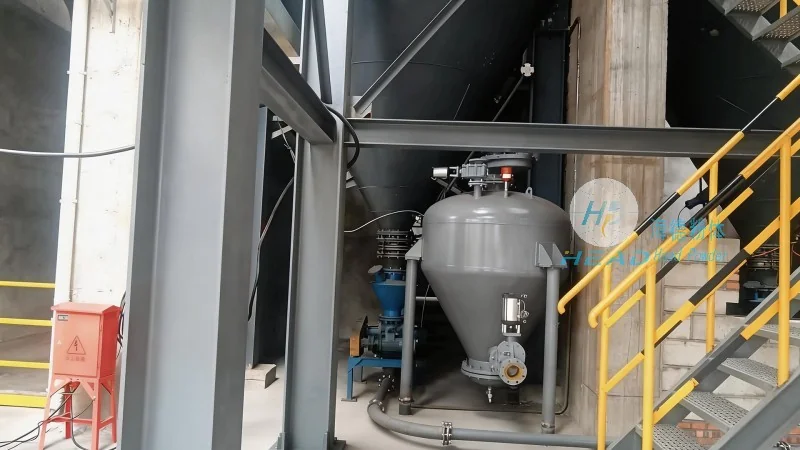
For industries dealing with silicate materials, such as glass manufacturing, ceramics, and construction materials, the proper selection and operation of pneumatic conveying equipment are crucial for maintaining productivity and compliance with environmental standards. By understanding the operation process and working principles of these systems, businesses can make informed decisions about their material handling infrastructure, leading to improved operational efficiency and long-term cost savings.
HeadPowder, with its headquarters in Shandong, China, continues to innovate in the field of pneumatic conveying technology, offering advanced solutions that meet the evolving demands of the industry. The company's commitment to quality, reliability, and customer satisfaction has established it as a trusted partner for businesses seeking efficient and sustainable material handling solutions.