

Operation Process and Working Principle of Organic Fertilizer Material Pneumatic Conveying Equipment
Organic fertilizer material pneumatic conveying equipment is a specialized system designed to transport organic fertilizer materials efficiently and safely. This equipment is crucial in modern agricultural and fertilizer production facilities, enabling the seamless movement of bulk organic materials from storage to processing or packaging areas. Shandong HeadPowder Engineering Co., Ltd., a leading manufacturer in the field, specializes in designing and manufacturing advanced pneumatic conveying systems tailored to the unique needs of organic fertilizer production. The system operates by utilizing air pressure or vacuum to move the material through a network of pipes, ensuring minimal material loss and contamination. As a key component in the organic fertilizer supply chain, this equipment enhances operational efficiency and maintains product quality.

Key Components of the Pneumatic Conveying System
The organic fertilizer material pneumatic conveying system consists of several critical components that work in tandem to achieve effective material transport. These components include the material hopper, which holds the organic fertilizer; the air compressor or vacuum pump that generates the necessary air pressure; the conveying pipes that form the transport network; the control valves and regulators that manage air flow and pressure; and the discharge hopper or silo where the material is deposited. Each component plays a vital role in ensuring the smooth operation of the system, with the air compressor providing the driving force for material movement and the control system maintaining optimal operational parameters. The material hopper is typically equipped with a feeding mechanism, such as a screw feeder or rotary valve, to control the rate of material discharge into the conveying system. The conveying pipes are made of durable materials like stainless steel or plastic to withstand the abrasive nature of organic fertilizer particles and resist corrosion from moisture or microbial growth. The control valves and regulators are integrated with sensors to monitor pressure, flow, and temperature, allowing for real-time adjustments to maintain system stability and prevent overloading or underpressure conditions.
Working Principle of the Pneumatic Conveying Process
The working principle of the organic fertilizer material pneumatic conveying equipment involves the use of air to suspend and transport the solid particles of organic fertilizer. In a typical positive pressure system, the air compressor draws in ambient air and compresses it to a higher pressure, usually ranging from 0.5 to 1.5 bar depending on the material and system design. This pressurized air is then introduced into the material hopper, where it lifts and suspends the organic fertilizer particles, creating an air-fertilizer mixture. The air-fertilizer mixture is then carried through the conveying pipes to the discharge point. At the discharge end, the air is separated from the material, often through a cyclone separator or a filter, and the organic fertilizer is collected in the receiving hopper. The separated air is then either recirculated back to the system to improve energy efficiency or released to the atmosphere, depending on the system design. This process allows for continuous and high-capacity transport of organic fertilizer materials, minimizing the need for manual handling and reducing the risk of material degradation or contamination. The efficiency of the system is further enhanced by the use of high-efficiency filters and separators that ensure minimal air loss and consistent material separation, contributing to overall energy savings and operational reliability.
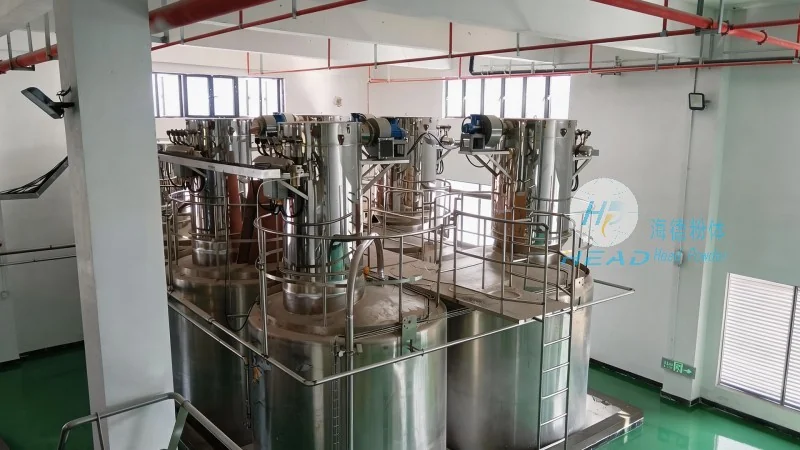
Operation Process Flow
The operation process of the organic fertilizer material pneumatic conveying equipment follows a systematic flow that ensures efficient material handling. The process begins with the loading of organic fertilizer into the material hopper. The hopper is equipped with a feeding mechanism, such as a screw feeder or a rotary valve, which controls the rate of material discharge into the conveying system. Once the material is in the hopper, the air compressor is activated, and the compressed air is introduced into the hopper, creating a positive pressure environment. The air then lifts the organic fertilizer particles, forming an air-fertilizer mixture that is transported through the conveying pipes. The mixture travels to the discharge point, where it is separated from the air. The separated organic fertilizer is collected in the discharge hopper, which may be connected to the next processing stage or packaging line. The air, now free of material particles, is either recirculated back to the system to improve energy efficiency or vented to the environment. This continuous cycle allows for the uninterrupted operation of the system, ensuring a steady supply of organic fertilizer for downstream processes. The system can be operated in either continuous or batch mode, depending on the production requirements, with the control system automatically adjusting the air flow and material feed rate to maintain optimal performance.
Advantages of Using Pneumatic Conveying for Organic Fertilizer
Implementing pneumatic conveying systems for organic fertilizer material transport offers several significant advantages over traditional methods such as belt conveyors or manual handling. Firstly, the system provides a high degree of automation, reducing the need for manual labor and minimizing the risk of human error. This leads to improved operational efficiency and consistency in material handling. Secondly, pneumatic conveying minimizes material loss and contamination, as the material is enclosed within the conveying pipes, preventing exposure to external elements or contaminants. This is particularly important for organic fertilizers, which may be sensitive to moisture or microbial growth. Thirdly, the system allows for flexible and scalable transport, as the conveying pipes can be easily reconfigured or extended to accommodate changes in production volume or facility layout. Additionally, pneumatic conveying systems are generally more compact and require less floor space compared to traditional bulk handling equipment, making them suitable for facilities with limited space. Finally, the system can be integrated with other processing equipment, such as mixers or granulators, to form a complete organic fertilizer production line, enhancing overall process efficiency. The energy efficiency of the system, especially with air recirculation, also contributes to lower operational costs and reduced environmental impact.

Application Scenarios in Organic Fertilizer Production
The organic fertilizer material pneumatic conveying equipment is widely used in various stages of organic fertilizer production. In the raw material handling stage, the system efficiently transports organic materials such as compost, manure, or crop residues from storage silos or trucks to the processing plant. During the processing stage, the equipment moves the material through mixing, granulation, or drying equipment, ensuring a consistent feed rate and preventing material buildup in processing units. In the packaging stage, the system transports the finished organic fertilizer from the production line to the packaging area, where it is loaded into bags or containers. The versatility of the pneumatic conveying system makes it suitable for handling a wide range of organic fertilizer types, including liquid or semi-solid organic materials, as well as solid granules or powders. This adaptability allows manufacturers to use the same equipment for different product lines, reducing capital investment and operational costs. For example, in a compost production facility, the system can transport raw compost from the composting piles to the screening and granulation units, while in a manure processing plant, it can move dried manure from the drying oven to the packaging line. The system's ability to handle different material characteristics makes it a versatile solution for various organic fertilizer production scenarios.
Maintenance and Operational Considerations
To ensure the reliable and efficient operation of the organic fertilizer material pneumatic conveying equipment, regular maintenance and proper operational considerations are essential. The air compressor and vacuum pump components require regular inspection and maintenance to prevent breakdowns and ensure optimal performance. Filters and separators should be cleaned or replaced regularly to maintain air quality and prevent material buildup that could affect system efficiency. The conveying pipes should be inspected for any signs of wear, corrosion, or blockages, and any damaged sections should be repaired or replaced promptly. The control system, including sensors and valves, should be calibrated and tested periodically to ensure accurate pressure and flow control. Additionally, operators should be trained on the proper operation of the system, including start-up procedures, emergency shutdown protocols, and troubleshooting common issues. By following these maintenance and operational guidelines, manufacturers can maximize the lifespan of the equipment and minimize downtime, ensuring consistent and reliable organic fertilizer production. Regular maintenance also helps in identifying potential issues early, preventing major failures and reducing repair costs. The use of high-quality materials and components in the system design further contributes to long-term reliability and performance.