

Operation Process and Working Principle of Air-Pneumatic Conveying Equipment for Purified Ash Materi
HeadPowder, a leading manufacturer in the field of industrial material handling, specializes in the design and production of air-pneumatic conveying equipment tailored for the efficient and safe transport of purified ash materials. This equipment is crucial in various industrial applications, including power plants, cement production, and waste management facilities, where the reliable and clean transfer of ash is essential for operational efficiency and environmental compliance.

Company Overview: Shandong HeadPowder Engineering Co., Ltd.
HeadPowder, formally known as Shandong HeadPowder Engineering Co., Ltd., is headquartered in Shandong, China. The company has established itself as a trusted provider of advanced material handling solutions, focusing on innovation and quality in the development of air-pneumatic conveying systems. With a strong commitment to customer satisfaction and technological advancement, HeadPowder offers customized equipment that meets the specific requirements of different industrial sectors.
Key Features of Air-Pneumatic Conveying Equipment
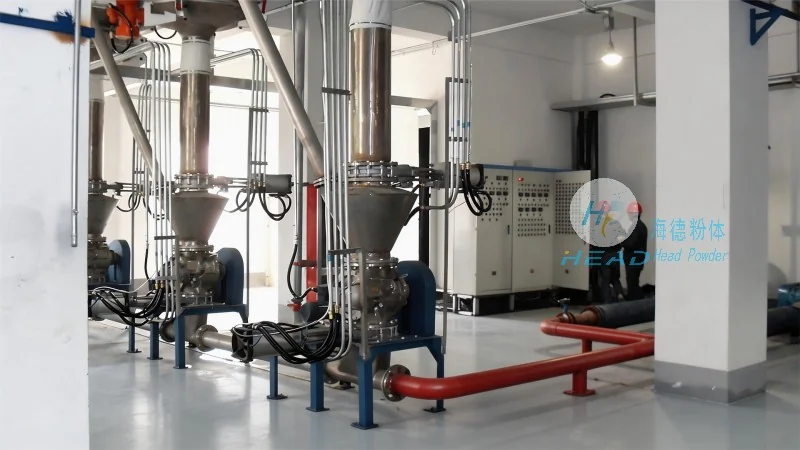
The air-pneumatic conveying equipment for purified ash materials is engineered with precision to ensure optimal performance. Key features include high-efficiency air pumps, durable material handling components, and advanced control systems that regulate the flow and pressure of the conveying medium. The equipment is designed to handle fine and abrasive ash particles, minimizing wear and tear while maintaining consistent material transport. Additionally, the system incorporates filtration and purification mechanisms to ensure that the conveyed ash remains clean and free from contaminants, which is vital for downstream processing and environmental protection.
Working Principle of the Conveying System
The operation of the air-pneumatic conveying equipment for purified ash materials is based on the principle of pneumatic transport, where air is used as the conveying medium to move the ash particles through a pipeline network. The process begins with the ash being introduced into the inlet hopper of the equipment. From there, the ash is drawn into the conveying line by a high-pressure air pump, which creates a negative pressure or positive pressure environment depending on the system configuration. The air and ash mixture travels through the pipeline, with the air providing the necessary force to propel the particles forward. The system typically includes multiple sections such as the inlet, conveying line, and discharge hopper, each designed to handle specific stages of the transport process. The control system monitors the pressure, flow rate, and temperature to ensure smooth and efficient operation, preventing blockages and maintaining consistent material delivery.

Operation Process: Step-by-Step Overview
The operation process of the air-pneumatic conveying equipment for purified ash materials involves several key steps that ensure the reliable and continuous transport of ash. First, the ash is fed into the inlet hopper at a controlled rate, which is adjusted based on the required throughput. The air pump then starts, creating the necessary pressure differential to initiate the conveying process. As the ash is drawn into the pipeline, it is mixed with the air, forming a slurry-like mixture that moves through the system. The conveying line is designed with appropriate bends and fittings to guide the mixture to the discharge point, where the ash is deposited into the receiving container. The control system continuously monitors the pressure and flow, adjusting the air pump speed or inlet feed rate as needed to maintain optimal performance. This process ensures that the ash is transported efficiently with minimal loss and contamination, meeting the operational and environmental standards of the facility.
Benefits and Applications
The air-pneumatic conveying equipment for purified ash materials offers numerous benefits that make it an ideal solution for industrial applications. These benefits include high transport efficiency, reduced labor costs, and improved safety compared to traditional methods such as manual handling or truck transport. The equipment is particularly suitable for applications where the ash needs to be transported over long distances or through complex pipeline networks. It is commonly used in power plants for the transfer of fly ash from boilers to storage silos, in cement plants for the conveyance of raw materials, and in waste management facilities for the transport of ash from incinerators. The system's ability to handle fine and abrasive materials without causing significant wear to the equipment makes it a cost-effective and reliable solution for various industrial needs.