

Operation Process and Working Principle of Silica Fume Material Pneumatic Conveying System
HeadPowder, a leading provider of material handling solutions, specializes in the design and implementation of pneumatic conveying systems for silica fume. This article offers a comprehensive overview of the operational process and working principles of such systems, emphasizing technical details and practical applications in industrial settings.

Company Profile and Core Information
HeadPowder, the professional brand of Shandong HeadPowder Engineering Co., Ltd., is dedicated to delivering high-quality material handling equipment. The company is headquartered in Shandong, China, and has built a reputation as a trusted supplier of pneumatic conveying systems for industries including construction, cement, and chemicals. With a focus on innovation and customer-centric solutions, HeadPowder ensures that its systems meet the specific requirements of clients, enhancing operational efficiency and product quality.
Introduction to Silica Fume Pneumatic Conveying Systems
Silica fume, also known as microsilica, is a fine powder derived from silicon metal production and is widely used as a supplementary cementitious material in concrete. The efficient transport of silica fume from storage to processing units is critical for maintaining production continuity and product consistency. Pneumatic conveying systems provide a reliable and cost-effective method for handling this fine material, eliminating the need for traditional bulk handling methods like trucks or mechanical conveyors.
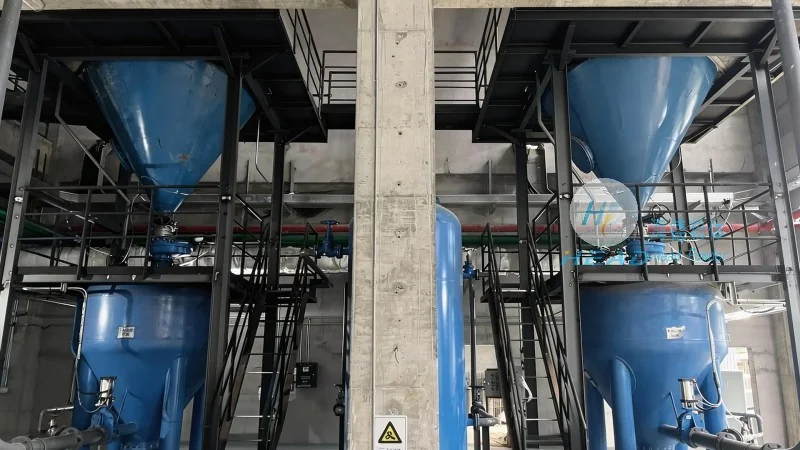
Key Components of the Pneumatic Conveying System
The silica fume pneumatic conveying system comprises several essential components, each with a specific function. These include the storage silo, feeder, air compressor, conveying pipeline, and receiving hopper. The storage silo stores the silica fume, while the feeder regulates the material flow into the system. The air compressor generates the necessary air pressure to move the material through the pipeline. The conveying pipeline transports the silica fume from the storage area to the processing unit, and the receiving hopper collects the material at the destination, often equipped with dust collection to prevent environmental contamination.
Operation Process of the Silica Fume Pneumatic Conveying System
The operational process of the silica fume pneumatic conveying system involves sequential steps to ensure smooth material transport. First, the silica fume is released from the storage silo into the feeder. The feeder controls the flow rate, ensuring a consistent supply to the system. Next, the air compressor produces high-pressure air, which is introduced into the conveying pipeline. The air and silica fume mixture is then transported through the pipeline to the receiving hopper. The receiving hopper collects the material and may include a filtration system to capture any fine particles. Finally, the material is discharged from the hopper into the processing unit, completing the conveying cycle.

Working Principle of the Pneumatic Conveying System
The working principle of the pneumatic conveying system relies on compressed air to transport the silica fume. When the air compressor provides high-pressure air, it creates a pressure differential between the storage silo and the receiving hopper. This pressure differential draws the silica fume into the conveying pipeline along with the air. The air acts as a carrier, moving the fine powder particles through the pipeline. The velocity of the air is carefully managed to ensure the particles are transported without causing blockages or excessive wear on system components. The system may utilize either positive pressure (blowing) or negative pressure (suction) depending on the distance and application requirements.

Advantages of Pneumatic Conveying for Silica Fume Handling
Pneumatic conveying systems offer several advantages for handling silica fume. These include the ability to transport fine powders over long distances without additional equipment, reduced labor costs due to automated operation, and improved product quality by minimizing contamination and exposure to the environment. Additionally, the system is compact and can be integrated into existing industrial facilities, providing flexibility for various production setups.
Conclusion
HeadPowder's expertise in designing and implementing silica fume pneumatic conveying systems ensures that clients receive reliable and efficient material handling solutions. By understanding the operational process and working principles of these systems, industries can optimize their production processes and enhance overall operational efficiency. The combination of advanced technology and professional engineering from HeadPowder makes it a trusted partner for businesses seeking to improve their material handling capabilities and maintain high standards of product quality.