

Operation Process and Working Principle of Pneumatic Conveying for Potassium Carbonate Fertilizer Ma
Pneumatic conveying is a critical technology in the fertilizer industry, particularly for handling potassium carbonate materials. This method involves transporting bulk materials through a pipeline using air or other gas streams. The process is essential for efficient and safe material movement in fertilizer production and distribution. As a leading provider in this field, Shandong HeadPowder Engineering Co., Ltd. specializes in designing and implementing advanced pneumatic conveying solutions tailored to the unique characteristics of potassium carbonate fertilizers.

Key Components and Their Roles in Pneumatic Conveying
The pneumatic conveying system for potassium carbonate fertilizer typically consists of several key components, each playing a vital role in the overall operation. These include the material hopper, which stores and feeds the fertilizer; the air compressor or blower, which generates the necessary air pressure; the conveying pipeline, which transports the material; and the discharge unit, which delivers the fertilizer to its final destination. Each component must be carefully selected and integrated to ensure optimal performance and reliability. For instance, the material hopper is designed to handle the bulk density and flow characteristics of potassium carbonate, preventing blockages and ensuring a steady feed rate. The air compressor must provide sufficient pressure to overcome pipeline resistance and lift the material to the desired height or distance.
Operation Process of Pneumatic Conveying for Potassium Carbonate Fertilizer
The operation process of a pneumatic conveying system for potassium carbonate fertilizer begins with the loading of the material into the hopper. The hopper is equipped with a feeder, such as a rotary valve or screw conveyor, which controls the flow rate of the fertilizer into the conveying line. Simultaneously, the air compressor starts, generating a high-pressure air stream that enters the pipeline. The air stream then picks up the potassium carbonate particles from the hopper and transports them through the pipeline to the discharge point. The conveying velocity and pressure are carefully controlled to ensure that the material is conveyed efficiently without causing excessive wear on the system components. The discharge unit, which may be a rotary valve or a pressure relief valve, regulates the flow of the fertilizer out of the pipeline, ensuring a smooth and continuous delivery to the storage or processing facility.

Working Principle of Pneumatic Conveying Systems
The working principle of pneumatic conveying for potassium carbonate fertilizer is based on the interaction between the material particles and the air stream. In a positive pressure system, the air compressor pushes air into the pipeline, creating a pressure differential that propels the material forward. The material is suspended in the air stream, and the velocity of the air is sufficient to overcome the gravitational force and frictional resistance within the pipeline. The system operates by maintaining a consistent air pressure and flow rate, which ensures that the material is conveyed without segregation or degradation. The design of the conveying pipeline, including the diameter, length, and bends, is critical to achieving the desired conveying efficiency. For potassium carbonate, which has a relatively high bulk density and abrasive properties, the pipeline is often made of corrosion-resistant materials, such as stainless steel or special alloys, to prevent wear and maintain the quality of the fertilizer.
Advantages of Pneumatic Conveying for Potassium Carbonate Fertilizer Handling
Pneumatic conveying offers several advantages over traditional methods, such as belt conveyors or bucket elevators, for handling potassium carbonate fertilizer. One of the primary benefits is the ability to transport materials over long distances without the need for multiple transfer points. This reduces the risk of material spillage and contamination, which is crucial for maintaining the quality of the fertilizer. Additionally, pneumatic conveying systems are more compact and can be installed in confined spaces, making them suitable for modern fertilizer production facilities. The system also provides better control over the material flow, allowing for precise dosing and feeding rates. This is particularly important in fertilizer production, where accurate material handling is essential for maintaining product consistency and quality. Furthermore, pneumatic conveying is a closed system, which helps to prevent dust emissions and environmental contamination, aligning with modern environmental regulations.
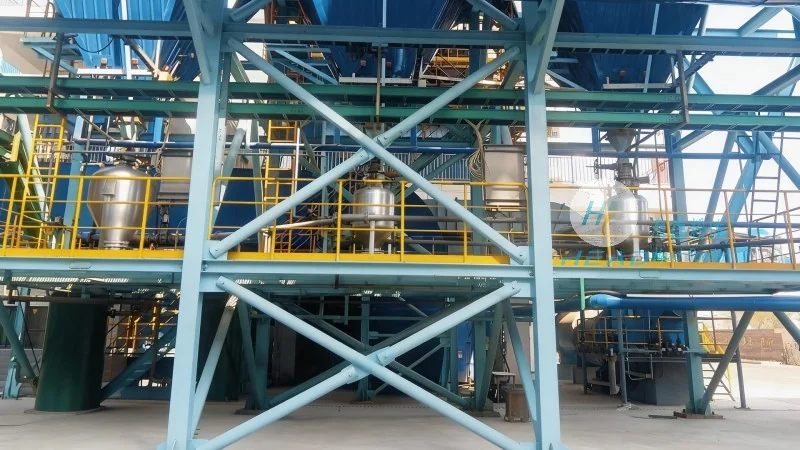
Customization and Integration by Shandong HeadPowder Engineering Co., Ltd.
Shandong HeadPowder Engineering Co., Ltd. specializes in providing customized pneumatic conveying solutions for potassium carbonate fertilizer applications. The company's expertise lies in designing systems that meet the specific requirements of each client, including the material characteristics, conveying distance, and operational conditions. The engineers at HeadPowder conduct thorough analyses of the fertilizer properties, such as particle size distribution, bulk density, and moisture content, to select the most appropriate conveying method and equipment. The company offers a range of options, including positive pressure and negative pressure systems, to suit different operational needs. The integration of the pneumatic conveying system with existing production lines is also a key service provided by HeadPowder, ensuring seamless operation and minimal disruption to the production process. The company's commitment to quality and customer satisfaction is reflected in the reliability and efficiency of its systems, which have been proven in numerous fertilizer production facilities across China.
Conclusion: Efficient and Reliable Pneumatic Conveying Solutions
In conclusion, pneumatic conveying is a highly effective method for transporting potassium carbonate fertilizer materials. The operation process involves careful control of material feed, air pressure, and pipeline design to ensure efficient and reliable material movement. The working principle is based on the suspension of material particles in an air stream, which is propelled through the pipeline by a compressor. The advantages of this system include long-distance transport, compact design, and reduced environmental impact. With its expertise in customizing and integrating pneumatic conveying systems, Shandong HeadPowder Engineering Co., Ltd. provides reliable solutions that meet the specific needs of fertilizer producers. By leveraging advanced technology and engineering expertise, HeadPowder ensures that its systems deliver optimal performance and contribute to the efficiency and quality of fertilizer production.