

Operation Process and Working Principle of Pneumatic Conveying for Ceramic Particle Materials
Pneumatic conveying is a critical technology in material handling, particularly for ceramic particles. This method involves transporting bulk materials through a pipeline using air or other gas streams. The process is widely used in industries such as ceramics, pharmaceuticals, and food processing due to its efficiency and ability to handle delicate materials without damage. For ceramic particle materials, the design and operation of pneumatic conveying systems must consider factors like particle size, density, and flow characteristics to ensure optimal performance.
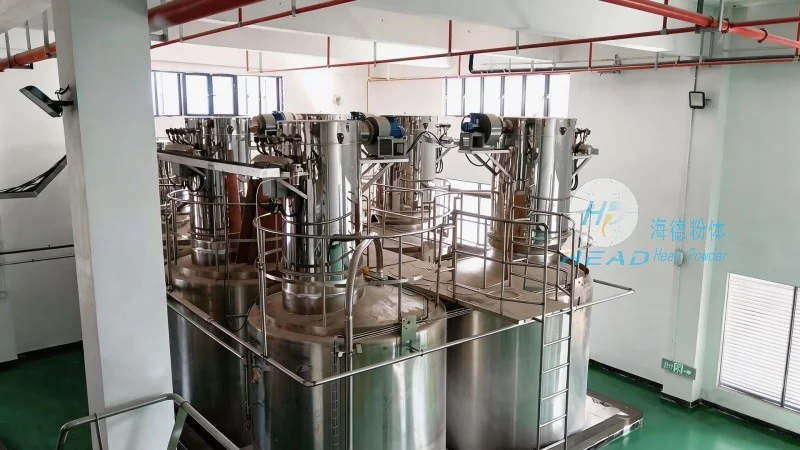
Company Introduction: Shandong HeadPowder Engineering Co., Ltd.
HeadPowder, a leading provider of material handling solutions, specializes in the design, manufacturing, and installation of pneumatic conveying systems. With a strong presence in China, particularly in Shandong, the company has built a reputation for delivering high-quality equipment tailored to the unique needs of ceramic industries. The company’s expertise lies in understanding the specific challenges of ceramic particle handling, such as preventing particle degradation and maintaining consistent flow rates.
The Operation Process of Pneumatic Conveying for Ceramic Particles
The operation process of a pneumatic conveying system for ceramic particles typically involves several key steps. First, the ceramic particles are fed into the system, often from a hopper or silo. Then, a fan or blower generates the necessary air pressure to move the particles through the pipeline. The system may use either a positive pressure or negative pressure (vacuum) method, depending on the application and material characteristics. As the particles travel through the pipeline, they are suspended by the air stream, allowing for smooth and continuous transport. The system is designed to ensure that the particles remain in suspension, preventing blockages and ensuring efficient transfer.

Working Principle of Pneumatic Conveying Systems
The working principle of pneumatic conveying for ceramic particles is based on the interaction between the air flow and the material particles. In a positive pressure system, compressed air is introduced at the inlet, creating a high-pressure environment that propels the particles forward. The air velocity must be sufficient to keep the particles in suspension, which is crucial for preventing particle degradation and maintaining flow consistency. In a negative pressure system, a vacuum is created at the outlet, drawing the particles into the pipeline. This method is often used for shorter distances or when the material needs to be transported from a higher elevation to a lower one. The system’s design, including the size of the pipeline, the type of air nozzle, and the speed of the air flow, all play a critical role in the overall performance and efficiency of the conveying process.

Key Considerations for Ceramic Particle Pneumatic Conveying
When implementing a pneumatic conveying system for ceramic particles, several factors must be carefully considered. Particle size and shape are critical, as larger or irregularly shaped particles may require higher air velocities to remain in suspension. The density of the ceramic material also affects the system’s design, as denser materials may need more powerful fans or blowers. Additionally, the system must be designed to prevent particle attrition and abrasion, which can occur due to friction within the pipeline. HeadPowder’s expertise in material handling allows them to address these challenges by providing customized solutions that optimize the conveying process for ceramic particles.
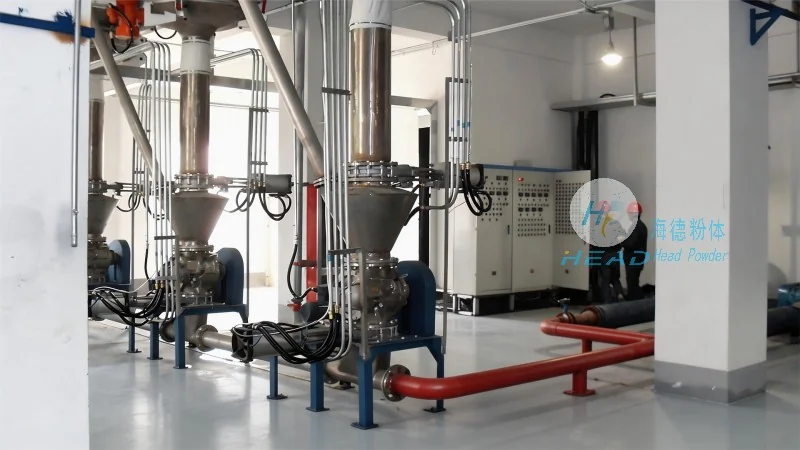
Applications and Benefits of Ceramic Particle Pneumatic Conveying
Pneumatic conveying systems for ceramic particles are used in a variety of applications, including the transport of raw materials from storage to processing equipment, the transfer of finished products to packaging lines, and the removal of waste materials from production facilities. The benefits of this technology include improved safety, as the system eliminates the need for manual handling of bulk materials, and increased efficiency, as it allows for continuous and automated material transport. Additionally, pneumatic conveying can reduce the risk of contamination, which is particularly important in industries such as pharmaceuticals and food processing. For ceramic manufacturers, the use of pneumatic conveying can lead to cost savings by reducing labor costs and minimizing material loss due to degradation.
Conclusion and Company Contact Information
Overall, pneumatic conveying is a highly effective method for handling ceramic particle materials. The operation process and working principle of these systems are designed to ensure efficient, safe, and reliable transport of bulk materials. HeadPowder, with its expertise in material handling, provides comprehensive solutions for ceramic particle pneumatic conveying, helping manufacturers optimize their production processes and improve overall efficiency. Based in Shandong, China, HeadPowder Engineering Co., Ltd. serves clients with customized equipment and technical support to meet their specific material handling needs.