

Operation Process and Working Principle of Negative Pressure Powder Material Pneumatic Conveying Sys
HeadPowder, a leading engineering company based in Shandong, China, specializes in the design, manufacturing, and implementation of advanced powder handling solutions. One of their core products is the negative pressure powder material pneumatic conveying system, which efficiently transports bulk powders over long distances using a vacuum-based approach. This system is particularly valuable in industries such as pharmaceuticals, food processing, and chemical manufacturing, where maintaining product purity and minimizing contamination is critical.

Key Components of the System
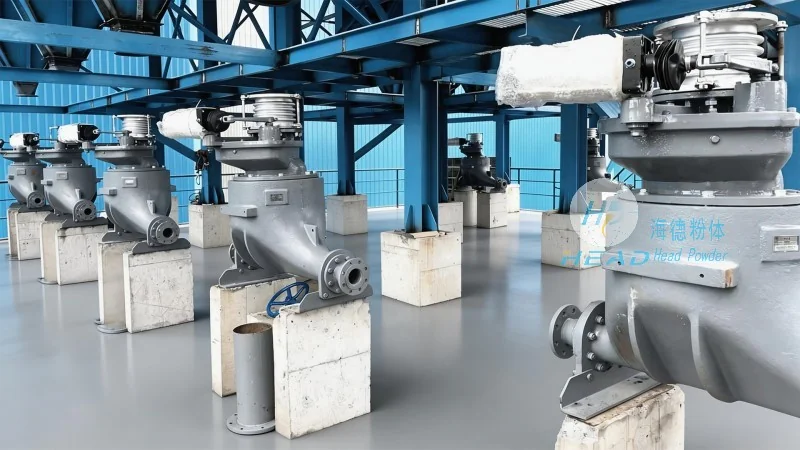
The negative pressure pneumatic conveying system consists of several essential components that work in tandem to ensure reliable operation. The primary elements include a vacuum pump, a material feed hopper, a conveying line (typically made of stainless steel to prevent corrosion and contamination), and a discharge receiver. The vacuum pump generates the negative pressure required to draw powder from the source to the destination. The feed hopper holds the bulk material and is equipped with a rotary valve or a star feeder to control the flow rate. The conveying line transports the powder particles suspended in the air stream, while the discharge receiver collects the material at the end of the line.
Working Principle of the System
The operation of the negative pressure system is based on the principle of creating a pressure differential. The vacuum pump reduces the pressure inside the conveying line below atmospheric pressure, creating a suction force that pulls the powder particles from the feed hopper. As the powder enters the line, it is entrained by the air stream and carried to the discharge point. The air-powder mixture travels through the pipeline, and at the receiving end, the air is separated from the powder using a cyclone separator or a filter. The separated air is then released back into the atmosphere, while the powder is collected in the discharge receiver. This process allows for continuous, dust-free transfer of powders without the need for mechanical components that come into direct contact with the material.

Operation Process and Flow
The operation of the negative pressure system follows a systematic flow that ensures consistent performance. Initially, the vacuum pump is activated, establishing the required negative pressure in the system. The material is then fed into the hopper at a controlled rate, typically regulated by the rotary valve. As the material enters the conveying line, it is immediately entrained by the air stream, forming a dense phase flow. The air-powder mixture moves through the pipeline at a velocity sufficient to maintain suspension, preventing particle settling. At the discharge end, the mixture enters a separator where the air is separated from the powder. The powder is collected in the receiver, and the air is either recirculated (in some systems) or vented. The system operates continuously as long as the feed material is available, with the vacuum pump maintaining the pressure differential throughout the process.
Advantages of Negative Pressure Pneumatic Conveying
Compared to positive pressure systems, negative pressure pneumatic conveying offers several advantages that make it suitable for sensitive applications. The primary benefit is the ability to transport powders from multiple sources to a single destination without the need for intermediate compressors or valves. This reduces system complexity and maintenance requirements. Additionally, the system operates at lower air velocities, which minimizes product degradation and reduces energy consumption. The negative pressure environment also helps in preventing dust emissions, as the material is drawn into the system rather than being expelled. These advantages make the system ideal for handling heat-sensitive or hygroscopic powders, where maintaining product quality is paramount.

Applications and Industries
The negative pressure powder material pneumatic conveying system is widely used across various industries due to its versatility and efficiency. In the pharmaceutical industry, it is used to transport active pharmaceutical ingredients (APIs) and excipients with strict purity standards. The system's ability to maintain a closed environment and prevent cross-contamination makes it suitable for GMP (Good Manufacturing Practice) compliance. In the food processing sector, it handles dry ingredients such as flour, sugar, and spices, ensuring that the products remain free from moisture and contaminants. The chemical industry utilizes the system for transporting powders like catalysts, pigments, and reagents, where precise control over the material flow is essential. Other applications include the handling of minerals, ceramics, and agricultural products, where the system's flexibility in handling different particle sizes and densities is beneficial.