

Operation Process and Working Principle of Fertilizer Powder Conveying Machine
Understanding the operation process and working principle of fertilizer powder conveying machines is crucial for optimizing material handling in agricultural and industrial applications. These specialized equipment are designed to efficiently transport bulk fertilizer powders, ensuring consistent flow and minimal loss during the process. The following sections delve into the detailed operation and underlying principles that make these machines effective in their function.

Overview of Fertilizer Powder Conveying Machines
Fertilizer powder conveying machines, also known as bulk material handling systems, are engineered to transport dry, granular, or powdered fertilizers from storage silos or production facilities to application points. The primary goal is to maintain the integrity of the fertilizer, prevent caking or segregation, and ensure a steady supply for agricultural use. These machines are typically customized based on the specific type of fertilizer, such as nitrogen, phosphorus, or potassium-based products, and the scale of operation. The design incorporates features like airtight sealing, adjustable speed controls, and material flow monitoring to adapt to varying operational needs.

Key Components and Their Functions
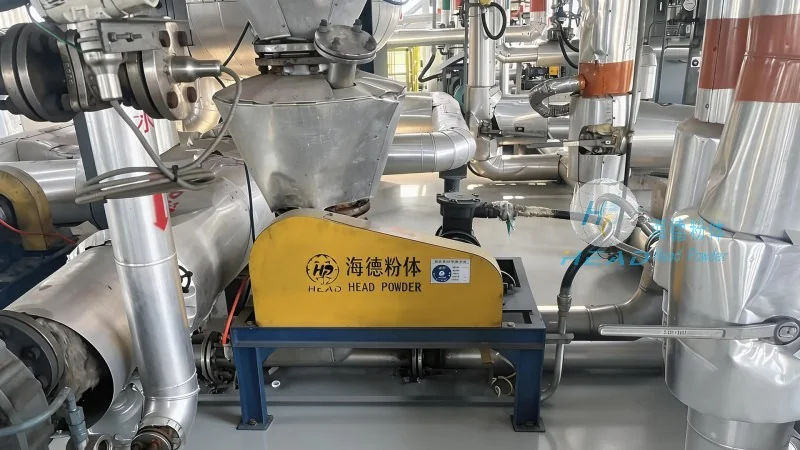
The operation of a fertilizer powder conveying machine relies on several critical components that work in harmony to achieve efficient material transport. The main components include the hopper, conveyor system (e.g., screw or pneumatic), control panel, and discharge mechanism. The hopper serves as the storage container, where fertilizer is loaded and held before being transferred. It is designed with a sloped bottom to facilitate smooth material flow and prevent blockages. The conveyor system, which can be either mechanical (screw conveyor) or pneumatic (airslide or pressure conveyor), is responsible for moving the fertilizer from the hopper to the discharge point. The control panel allows operators to adjust parameters such as speed, pressure, and flow rate, ensuring precise control over the conveying process. The discharge mechanism, often a valve or outlet, regulates the release of fertilizer to the target location, such as a spreader or storage tank.

Operation Process: Step-by-Step Breakdown
The operation of a fertilizer powder conveying machine follows a systematic sequence of steps to ensure efficient and safe material handling. The process begins with the loading of fertilizer into the hopper. The hopper is typically equipped with a loading port, which may be fitted with a feeder or auger to ensure uniform material distribution. Once the hopper is filled, the conveyor system is activated. In a mechanical screw conveyor, the rotating screw pushes the fertilizer forward through the tube, while in a pneumatic system, compressed air is used to create a flow of air and material through the pipeline. The control panel monitors the flow rate and pressure, adjusting the speed or air pressure as needed to maintain consistent transport. As the fertilizer moves through the conveyor, it passes through any necessary processing stages, such as screening or mixing, before reaching the discharge point. The discharge mechanism then releases the fertilizer at the desired rate, ensuring a steady supply to the application equipment. The entire process is monitored continuously to detect any abnormalities, such as blockages or pressure changes, which are addressed promptly to prevent system downtime.
Working Principle: The Science Behind Efficient Transport
The working principle of fertilizer powder conveying machines is based on fundamental principles of fluid dynamics and mechanical engineering. For mechanical conveyors, the screw or auger rotates, creating a positive displacement that pushes the material forward. The design of the screw pitch and diameter determines the capacity and speed of the conveyor. In pneumatic conveyors, the principle of air movement is utilized. Compressed air is introduced into the conveying line, creating a pressure differential that pulls the fertilizer particles along with the air stream. The air velocity and pressure are carefully controlled to prevent material degradation or segregation. The machine also incorporates features like airlocks and check valves to prevent backflow and maintain the integrity of the material. The control system uses sensors to monitor parameters such as temperature, pressure, and flow rate, providing real-time feedback to the operator. This feedback allows for adjustments to be made to optimize the conveying process, ensuring minimal energy consumption and maximum efficiency.
Benefits and Applications in Fertilizer Handling
The efficient operation of fertilizer powder conveying machines offers several benefits in agricultural and industrial settings. These machines enhance productivity by reducing the time and labor required for manual handling of bulk fertilizers. They also minimize material loss and contamination, ensuring that the fertilizer reaches its intended destination in optimal condition. The consistent flow and controlled discharge rates improve the accuracy of application, leading to better crop yields and reduced environmental impact. In industrial applications, such as fertilizer manufacturing plants, these machines are essential for transporting raw materials and finished products between processing stages. The adaptability of fertilizer powder conveying machines to different fertilizer types and operational scales makes them a versatile solution for various material handling needs. By understanding the operation process and working principles, users can select the appropriate equipment for their specific requirements, ensuring optimal performance and cost-effectiveness.