

Operation Process and Working Principle of Dry Powder Material Handling Systems
For industries dealing with bulk dry powders, efficient and reliable material handling is crucial for operational efficiency and product quality. The operation process and working principle of dry powder handling systems are designed to address these needs by ensuring seamless transfer of powders from one location to another. This article explores the key aspects of how such systems function, highlighting the technical components and operational steps involved.
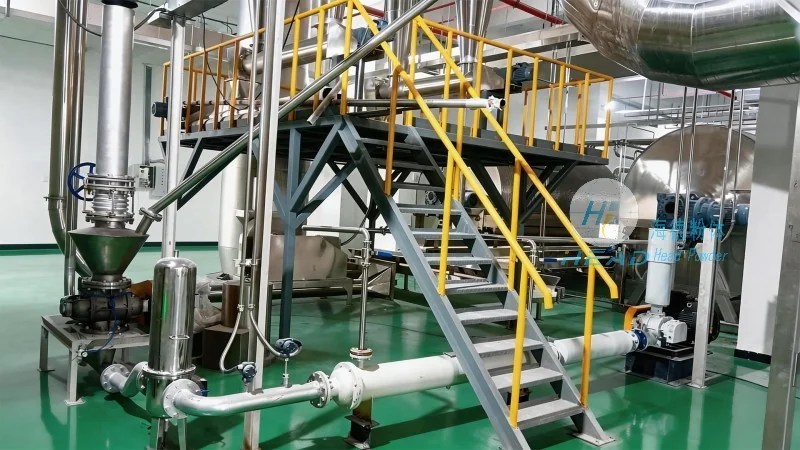
Key Components and Their Roles
Dry powder material handling systems typically consist of several critical components that work in tandem to achieve effective powder transfer. The primary components include feeders, conveyors, and control systems. Feeders are responsible for regulating the flow of powder from the source, ensuring a consistent and controlled rate. Conveyors, such as pneumatic or mechanical systems, then transport the powder through the system. Control systems monitor and adjust the operation based on real-time conditions, maintaining optimal performance.
Operation Process: Step-by-Step Overview
The operation process of a dry powder handling system begins with the preparation of the powder at the source. This involves ensuring the powder is properly stored and conditioned to prevent caking or agglomeration. Next, the feeder activates, feeding the powder into the conveyor system. The conveyor then transports the powder to the desired destination, such as a silo, storage tank, or processing unit. Throughout this process, the control system continuously monitors parameters like pressure, flow rate, and temperature to maintain stability and prevent issues like blockages or overloading.

Working Principle: How It All Comes Together
The working principle of dry powder handling systems relies on the principles of fluidization and pneumatic transport. In pneumatic systems, compressed air is used to create a flow that carries the powder particles through the system. This method is particularly effective for fine powders and can handle long distances and multiple transfer points. Mechanical systems, on the other hand, use rotating components like screws or belts to move the powder. Both systems are designed to minimize material degradation and ensure a consistent flow rate, which is essential for maintaining product integrity.

Benefits of Efficient Dry Powder Handling
Implementing an efficient dry powder handling system offers numerous benefits for industrial operations. These include improved productivity through reduced downtime, enhanced safety by minimizing manual handling, and better product quality by preventing contamination or degradation. Additionally, such systems can be integrated with automation and control technologies, allowing for real-time monitoring and adjustments, which further optimizes performance and reduces operational costs.

About Shandong HeadPowder Engineering Co., Ltd.
Shandong HeadPowder Engineering Co., Ltd., operating under the brand name headpowder, is a leading provider of advanced dry powder handling solutions. With a focus on innovation and customer-centric design, the company specializes in developing and manufacturing systems tailored to the specific needs of various industries, including pharmaceuticals, food processing, and chemical manufacturing. HeadPowder's expertise lies in creating reliable, efficient, and cost-effective solutions that enhance operational efficiency and product quality.
Conclusion
In conclusion, the operation process and working principle of dry powder material handling systems are critical for modern industrial applications. By understanding the key components, operational steps, and underlying principles, industries can select and implement the most suitable systems to meet their material handling needs. With the expertise of companies like Shandong HeadPowder Engineering Co., Ltd., businesses can achieve efficient, reliable, and safe powder transfer, ultimately improving their overall operational performance.