

Operation Process and Working Principle of Dust-Free Metering Powder Handling
Efficient and reliable handling of powders in industrial settings often requires specialized equipment to ensure accuracy, safety, and minimal contamination. Dust-free metering powder handling systems, such as those offered by Shandong HeadPowder Engineering Co., Ltd., play a crucial role in maintaining high standards in material processing. This article explores the operation process and working principle of these systems, highlighting key components and their functions.
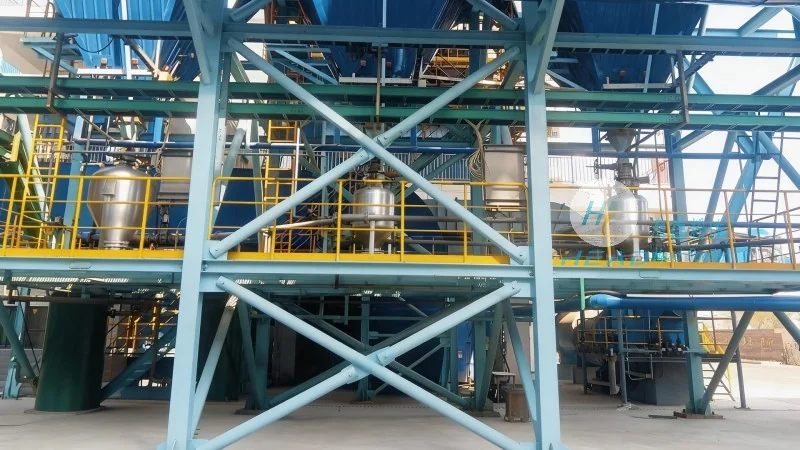
Company Overview: Shandong HeadPowder Engineering Co., Ltd.
As a leading provider in the field, Shandong HeadPowder Engineering Co., Ltd. specializes in the design, manufacturing, and integration of advanced powder handling solutions. With a focus on precision and durability, the company has established itself as a trusted partner for industries requiring clean and efficient material transport. HeadPowder's expertise lies in developing systems that meet stringent environmental and operational requirements, ensuring optimal performance in diverse applications.

Key Components of Dust-Free Metering Powder Handling Systems
The operation of dust-free metering powder handling systems involves several critical components that work in tandem to achieve precise material transport. These components include feeders, conveyors, control systems, and dust collection units. Each part is engineered to minimize particle loss, prevent contamination, and maintain consistent flow rates. The feeders, typically equipped with variable speed drives, regulate the amount of powder entering the system, ensuring accurate metering. Conveyors, such as pneumatic or mechanical systems, transport the powder from one location to another while maintaining a controlled environment. Control systems, often integrated with sensors and automation, monitor and adjust the process parameters in real-time, enhancing operational efficiency. Dust collection units, including filters and cyclones, capture and remove airborne particles, maintaining a clean working environment.

Operation Process of Dust-Free Metering Powder Handling
The operation process of a dust-free metering powder handling system begins with the preparation of the powder material. The powder is typically stored in a sealed container to prevent contamination and moisture absorption. The feeder then draws the powder from the storage vessel and meters it at a controlled rate. The metered powder is then transferred to the conveyor system, which transports it to the processing or packaging area. During transport, the system maintains a negative pressure or uses enclosed pathways to prevent dust from escaping. The control system continuously monitors the flow rate, pressure, and other parameters, adjusting the feeder speed or conveyor settings as needed to maintain consistency. The entire process is designed to be seamless and automated, minimizing human intervention and reducing the risk of errors.
Working Principle of Dust-Free Metering Powder Handling
The working principle of dust-free metering powder handling systems is based on the principles of fluidization and controlled air flow. The system uses a combination of mechanical and pneumatic forces to move the powder. In pneumatic systems, compressed air is used to create a flow of air and powder, while mechanical systems rely on screws, belts, or other moving parts to transport the material. The key is to maintain a consistent flow rate and prevent the powder from clogging or agglomerating. The control system plays a vital role in regulating the air pressure, flow rate, and other variables to ensure smooth operation. By maintaining a controlled environment and using precise measurement techniques, the system achieves high accuracy in powder metering and transport.

Benefits of Dust-Free Metering Powder Handling Systems
Implementing dust-free metering powder handling systems offers numerous benefits for industrial operations. These systems enhance product quality by minimizing contamination and ensuring consistent material properties. They also improve safety by reducing the risk of dust explosions and inhalation hazards. Additionally, the precise metering capabilities of these systems help optimize material usage, reducing waste and lowering operational costs. The automated nature of the systems increases efficiency and reduces labor requirements, allowing for higher throughput and better productivity. Overall, dust-free metering powder handling systems are essential for industries that require high standards of cleanliness and accuracy in their material handling processes.