

Operation Process and Working Principle of Metallurgical Coal Powder Pneumatic Conveying Lines
Metallurgical coal powder pneumatic conveying lines are critical systems in industrial applications, particularly in metallurgical industries where efficient and reliable transport of coal powder is essential for production processes. This article provides an in-depth exploration of the operation process and working principle of such systems, focusing on the technical aspects and practical implementation.

Introduction to Metallurgical Coal Powder Pneumatic Conveying Systems
Shandong HeadPowder Engineering Co., Ltd., a leading provider in the field, specializes in the design, manufacturing, and installation of advanced pneumatic conveying solutions. With a strong presence in China, the company leverages its expertise to deliver high-performance systems tailored to the unique demands of metallurgical operations. The company’s commitment to quality and innovation ensures that their coal powder conveying lines meet stringent industry standards and operational requirements.

Key Components and Product Overview
Metallurgical coal powder pneumatic conveying lines typically consist of several core components, including feeders, conveying pipes, air compressors, and control systems. These components work in synergy to ensure the smooth and efficient transport of coal powder from the source to the destination. HeadPowder’s systems are engineered to handle various coal types, particle sizes, and flow rates, making them versatile for different metallurgical applications. The product line includes both positive and negative pressure conveying systems, each with distinct advantages depending on the specific operational needs. For instance, positive pressure systems are ideal for long-distance or high-temperature applications, while negative pressure systems are suitable for handling dust-sensitive materials or in environments where dust control is paramount.
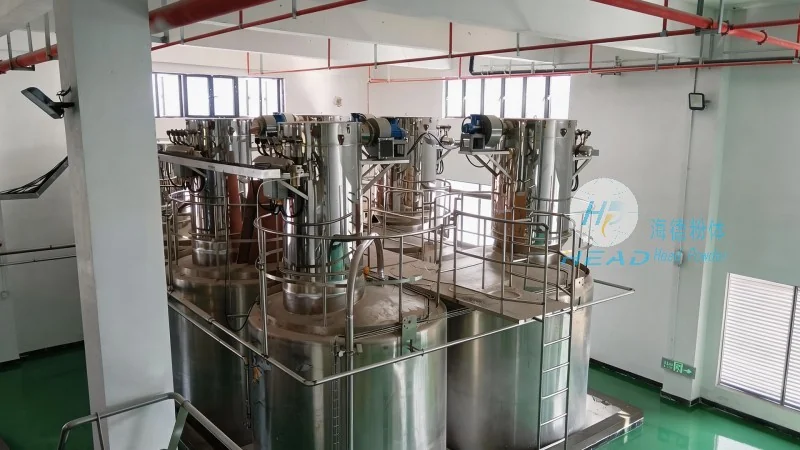
Operation Process of the Pneumatic Conveying Line
The operation process of a metallurgical coal powder pneumatic conveying line involves several sequential steps. Initially, the coal powder is fed into the system through a feeder, which can be a rotary valve or a screw feeder, depending on the system design. The feeder ensures a consistent and controlled flow of material into the conveying line. Next, the material is introduced into the conveying pipe, where it is mixed with compressed air. The air, under pressure, propels the coal powder through the pipeline. The conveying line may include bends, expansion joints, and filters to manage the flow and prevent blockages or material loss. At the destination, the coal powder is separated from the air through a separator, such as a cyclone or a bag filter, and collected in a storage bin or directly to the processing equipment. The entire process is monitored and controlled by a sophisticated control system that adjusts air pressure, flow rate, and other parameters to maintain optimal performance. This automated control ensures minimal downtime and consistent material delivery, which is crucial for maintaining production efficiency in metallurgical plants.
Working Principle of the Pneumatic Conveying System
The working principle of a metallurgical coal powder pneumatic conveying system is based on the fundamental physics of fluid dynamics and particle transport. In a positive pressure system, compressed air is introduced into the conveying line, creating a pressure differential that drives the coal powder forward. The air acts as a carrier, suspending the particles and moving them through the pipeline. The velocity of the air and the particle size determine the conveying capacity and efficiency of the system. In a negative pressure system, the air is drawn from the conveying line using a vacuum pump, creating a suction effect that pulls the coal powder into the pipeline. This method is particularly effective for handling fine powders and in applications where dust containment is critical. The system’s design, including the type of air compressor, the diameter of the conveying pipe, and the layout of the pipeline, all contribute to the overall efficiency and reliability of the conveying process. HeadPowder’s engineers carefully select and configure these components to optimize the system’s performance, ensuring that it operates within the specified parameters and meets the operational goals of the metallurgical facility.

Advantages and Applications in Metallurgical Industries
Metallurgical coal powder pneumatic conveying lines offer several advantages over traditional mechanical conveying methods. These include reduced material handling costs, improved safety by minimizing manual handling of powders, and enhanced process control. The systems are also highly flexible, allowing for easy integration with existing production lines and modifications to accommodate changes in production volume or material specifications. In metallurgical industries, these systems are widely used in processes such as coke production, steelmaking, and chemical processing, where the transport of coal powder is a critical step. For example, in steelmaking, coal powder is used as a reductant and fuel, and efficient conveying ensures a steady supply to the blast furnace or other processing equipment. The reliability and efficiency of HeadPowder’s systems make them a preferred choice for metallurgical plants seeking to optimize their material handling operations and improve overall productivity.