

Principle and Working Scene Characteristics of Pneumatic Conveying Equipment for Silicone Powder Mat
HeadPowder, a leading manufacturer in the field of material handling solutions, specializes in the design and production of advanced pneumatic conveying systems tailored for handling silicone powder materials. This article delves into the fundamental principles behind these systems and highlights the key characteristics of their operational environments, providing a comprehensive understanding for potential users and industry professionals.

Company Profile and Background
HeadPowder, operating under the full name Shandong HeadPowder Engineering Co., Ltd., is headquartered in Shandong, China. The company has established itself as a trusted provider of customized material handling equipment, focusing on the unique challenges posed by the transportation of fine and abrasive materials like silicone powders. With years of experience in the industry, HeadPowder combines engineering expertise with innovative technology to deliver efficient and reliable pneumatic conveying solutions.
The Principle of Pneumatic Conveying for Silicone Powder Materials
Pneumatic conveying, also known as air conveying, is a method of transporting bulk materials through a pipeline using a stream of air. For silicone powder materials, this technology is particularly effective due to the properties of the powder, such as its fine particle size and potential for static charge accumulation. The core principle involves creating a pressure differential within the conveying system, which propels the powder particles through the pipeline. There are two main types of pneumatic conveying systems: pressure and vacuum. Pressure systems use compressed air to push the material, while vacuum systems use a vacuum to draw the material into the pipeline. For silicone powders, pressure systems are often preferred as they can handle higher material loads and are more suitable for long-distance transportation.

Key Working Scene Characteristics of Pneumatic Conveying Equipment
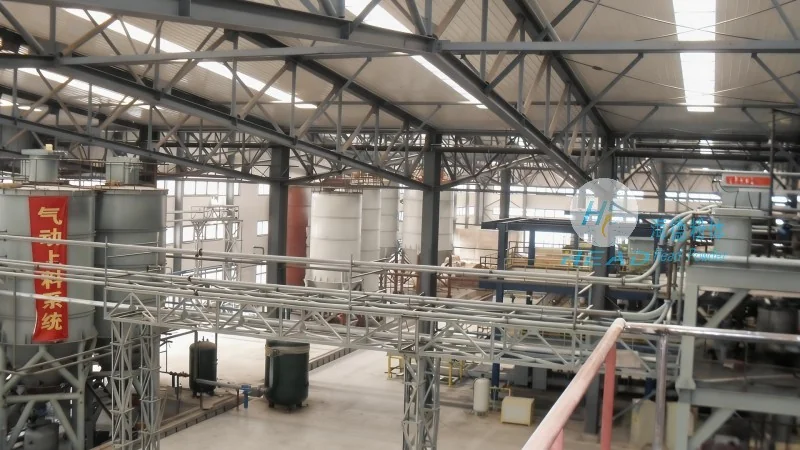
The operational environment of pneumatic conveying equipment for silicone powder materials is characterized by several critical factors that influence system performance and efficiency. Firstly, the material's particle size and flowability are crucial. Silicone powders typically have a fine particle size, which can lead to issues like caking or agglomeration if not properly handled. The conveying system must be designed to prevent these issues, often through the use of appropriate air velocities and pipeline diameters. Secondly, the system must address the potential for static electricity, as silicone powders are prone to generating static charges. This can cause material buildup on surfaces and affect the flow characteristics. Therefore, anti-static measures, such as grounding and the use of conductive materials, are essential components of the system design. Thirdly, the system's ability to handle variations in material feed rate and consistency is important. In industrial settings, material feed rates can fluctuate, and the conveying equipment must maintain stable performance under these conditions. This is achieved through the use of variable speed drives and pressure control systems. Finally, the system's integration with other processing equipment is a key consideration. Pneumatic conveying systems are often integrated with silos, hoppers, and processing machinery, requiring seamless coordination to ensure smooth material flow from storage to processing.
Applications and Benefits in Industrial Settings
The use of pneumatic conveying equipment for silicone powder materials offers numerous benefits in industrial applications. One of the primary advantages is the ability to transport materials in a closed system, which minimizes dust emissions and improves workplace safety. This is particularly important for silicone powders, which can be hazardous if inhaled or come into contact with skin. Additionally, closed systems prevent contamination from external sources, ensuring the purity of the material. Another benefit is the high efficiency of material transportation, as pneumatic systems can move large quantities of material over long distances with minimal energy consumption compared to traditional methods like bucket elevators or belt conveyors. The flexibility of pneumatic conveying systems also allows for easy integration into existing production lines, reducing downtime and installation costs. Furthermore, the system's ability to handle abrasive materials like silicone powders without significant wear and tear on components makes it a cost-effective solution in the long run.
Conclusion
In conclusion, pneumatic conveying equipment for silicone powder materials is a sophisticated and efficient solution for material handling in various industrial applications. The principles behind these systems, combined with the specific characteristics of the working environment, ensure reliable and safe transportation of the material. HeadPowder's expertise in designing and manufacturing such equipment positions them as a leading provider in the market, offering tailored solutions that meet the unique needs of their clients. By understanding the fundamental principles and operational characteristics of pneumatic conveying, industries can optimize their material handling processes, improve productivity, and enhance overall operational efficiency.