

Principle and Working Scenario Characteristics of Pulverized Coal Material Pneumatic Conveying
HeadPowder, a leading engineering company based in Shandong, China, specializes in the design and implementation of pneumatic conveying systems for pulverized coal materials. This article delves into the fundamental principles behind pneumatic conveying technology and highlights the key characteristics of its application scenarios.

Understanding the Principle of Pneumatic Conveying for Pulverized Coal
Pneumatic conveying is a method of transporting bulk materials, such as pulverized coal, through a pipeline using air or gas as the conveying medium. The core principle involves creating a pressure differential between the inlet and outlet of the system. At the material loading point, a fan or blower generates sufficient air pressure to draw the coal particles into the pipeline. The air, carrying the coal, moves through the pipeline to the discharge point, where the air is separated from the material, typically through a cyclone or filter. The separated air is then recirculated back to the system, while the coal is collected for further use. This process eliminates the need for mechanical components like belts or buckets, reducing maintenance and operational costs.
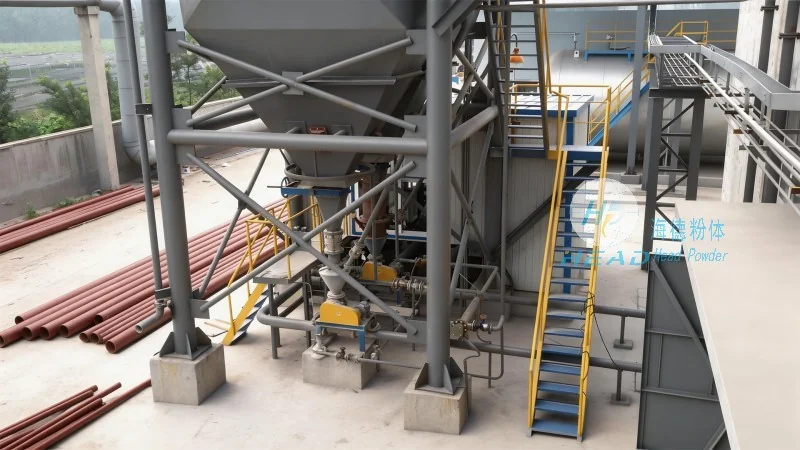
Key Working Scenario Characteristics of Pneumatic Conveying Systems
The application of pneumatic conveying systems in coal handling scenarios is defined by several critical characteristics that enhance efficiency and reliability. First, the system's ability to handle fine particles, such as pulverized coal, is a major advantage. Unlike traditional bulk handling methods, pneumatic conveying can effectively transport materials with a wide range of particle sizes, from very fine powders to larger granules, without clogging or degradation. Second, the flexibility in system layout is a significant benefit. Pneumatic conveying systems can be configured in various topologies, including straight-line, loop, or vertical configurations, allowing for integration into existing industrial setups or new plant designs. This adaptability reduces installation time and cost compared to other bulk material handling solutions. Third, the system's ability to maintain material integrity is crucial. By using air as the conveying medium, the coal particles are less prone to abrasion or degradation, preserving their quality for downstream processes like combustion or storage. Additionally, the system's self-cleaning capabilities, especially in cyclone separators, prevent material buildup and ensure consistent performance over long operational periods.

Operational Advantages and Practical Considerations
Implementing pneumatic conveying systems for coal materials offers several operational advantages that make it a preferred choice in industrial applications. One of the primary benefits is the reduction in labor costs and manual handling. The automated nature of the system minimizes the need for manual loading or unloading, enhancing workplace safety and reducing the risk of accidents. Furthermore, the system's low maintenance requirements contribute to lower operational expenses. The absence of moving parts in the conveying line, except for the fan and cyclone components, reduces wear and tear, leading to fewer breakdowns and longer service intervals. Another practical consideration is the system's ability to handle varying material flow rates. By adjusting the air pressure or flow rate, the system can accommodate fluctuations in coal supply or demand, ensuring consistent material transport without overloading or underutilizing the equipment. This flexibility is particularly valuable in dynamic industrial environments where production schedules may change frequently.
Integration with Industrial Processes
Pneumatic conveying systems for pulverized coal are often integrated into larger industrial processes, such as power generation or cement production. In power plants, for example, the system is used to transport coal from storage silos to the boiler furnace, where it is burned to generate electricity. The system's ability to deliver coal efficiently and reliably ensures a steady fuel supply to the boiler, maintaining optimal combustion conditions. Similarly, in cement plants, the system is used to transport coal to the kiln, where it serves as a fuel source to heat the kiln and drive the cement production process. The integration of pneumatic conveying with these processes enhances overall plant efficiency by minimizing downtime and maximizing throughput. Additionally, the system's ability to handle fine coal particles is essential for achieving consistent combustion efficiency, which is critical for meeting environmental regulations and optimizing energy output.

Conclusion and Company Expertise
HeadPowder Engineering Co., Ltd., based in Shandong, China, is a trusted provider of pneumatic conveying solutions tailored to the needs of coal handling industries. With a deep understanding of the principles and characteristics of pneumatic conveying systems, the company designs and implements customized solutions that enhance operational efficiency, reduce costs, and improve safety. By leveraging advanced engineering techniques and robust system designs, HeadPowder ensures that its clients benefit from reliable and effective coal transport systems. The company's expertise in pneumatic conveying technology, combined with its commitment to quality and customer satisfaction, makes it a leading choice for businesses seeking to optimize their bulk material handling processes.