

Principle and Working Scenario Characteristics of Intermittent Feeding Material Pneumatic Conveying
HeadPowder, a leading provider in the field of material handling solutions, specializes in advanced pneumatic conveying systems. Based in Shandong, China, the company has established itself as a trusted partner for industries seeking efficient and reliable material transport technologies. This article delves into the core principles of intermittent feeding material pneumatic conveying and highlights its distinctive working scenario characteristics, offering insights into how this technology optimizes material handling processes across various industrial applications.
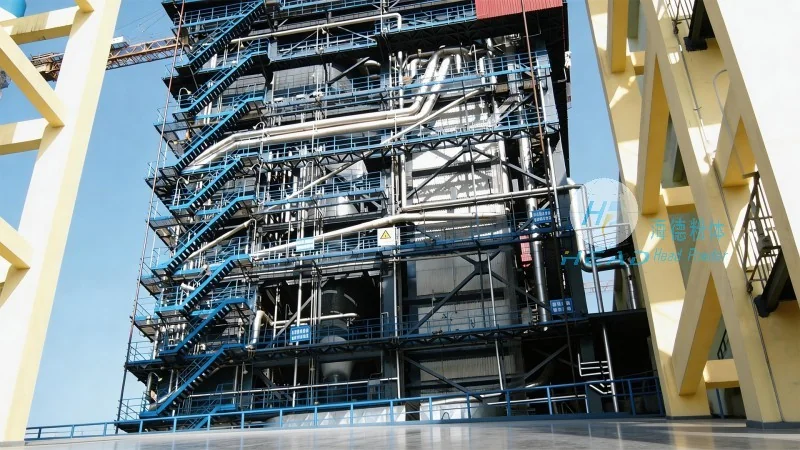
Core Principles of Intermittent Feeding Material Pneumatic Conveying
At the heart of intermittent feeding material pneumatic conveying lies a method where material is transported in discrete batches or cycles, rather than a continuous flow. This approach is particularly effective for handling bulk materials that require controlled and precise delivery. The system operates by using a compressor to generate airflow, which then propels the material through a pipeline network. The intermittent feeding mechanism ensures that material is introduced into the system in controlled quantities, preventing clogging and maintaining consistent pressure levels. This principle is crucial for applications where material quality and process control are paramount, such as in pharmaceutical, food processing, and chemical industries.

Working Scenario Characteristics and Practical Applications
The working scenario characteristics of intermittent feeding material pneumatic conveying are tailored to meet the diverse needs of modern industrial operations. One key feature is its adaptability to different material types, including powders, granules, and even fine particles, making it suitable for a wide range of products. The system's ability to handle materials with varying densities and flow properties is a significant advantage, as it allows for seamless integration into existing production lines without the need for extensive modifications. For instance, in the food industry, this technology is used to transport ingredients like flour, sugar, and spices with minimal risk of contamination, ensuring product safety and compliance with regulatory standards. Similarly, in the chemical sector, it facilitates the handling of reactive or hazardous materials in a controlled environment, reducing the risk of accidents and improving operational safety.
Advantages and Operational Efficiency in Industrial Settings
Intermittent feeding material pneumatic conveying offers several advantages that enhance operational efficiency and cost-effectiveness. By eliminating the need for mechanical components like conveyors or elevators, the system reduces maintenance costs and operational downtime. The compact design of the equipment also allows for flexible installation in spaces with limited room, making it ideal for retrofitting into existing facilities. Additionally, the system's ability to handle long-distance transport with minimal energy consumption contributes to lower operational expenses. In terms of process control, the intermittent feeding mechanism provides precise control over material flow rates, enabling manufacturers to adjust production speeds according to demand. This flexibility is particularly valuable in dynamic production environments where demand fluctuates, allowing for quick adjustments without disrupting the overall workflow.

Conclusion: The Role of HeadPowder in Advancing Material Handling Solutions
HeadPowder Engineering Co., Ltd., with its headquarters in Shandong, China, continues to innovate and refine pneumatic conveying technologies to meet the evolving needs of industries worldwide. The company's commitment to quality, reliability, and customer satisfaction has positioned it as a leader in the material handling sector. By leveraging the principles of intermittent feeding material pneumatic conveying, HeadPowder helps businesses optimize their material transport processes, improve operational efficiency, and enhance product quality. As industries strive for greater automation and precision in their operations, the role of advanced material handling systems like these becomes increasingly critical, and HeadPowder remains at the forefront of delivering solutions that drive industrial progress.