

Principle and Working Scene Characteristics of a Potassium Carbonate Fertilizer Powder Pneumatic Con
HeadPowder, a leading engineering company based in Shandong, China, specializes in the design and implementation of advanced pneumatic conveying systems for various industrial applications. This article focuses on the principle and operational characteristics of a potash fertilizer powder pneumatic conveying line, specifically tailored for the efficient handling of potassium carbonate fertilizer.

Introduction to Potassium Carbonate Fertilizer and Pneumatic Conveying Technology
Potassium carbonate (K₂CO₃), commonly used as a fertilizer, is a white crystalline powder with high solubility in water. Its application in agriculture requires reliable and efficient transport from storage to processing or distribution points. Pneumatic conveying, a method that uses air to move bulk materials, offers a solution that is both effective and suitable for handling fine powders like potassium carbonate. This technology eliminates the need for mechanical components such as belts or buckets, reducing maintenance and operational costs while ensuring a clean and dust-free transfer process.

Core Principle of Pneumatic Conveying for Potassium Carbonate Fertilizer
The fundamental principle of a potash fertilizer powder pneumatic conveying line is the use of a pressurized or vacuum system to transport the material. In a typical setup, the system consists of a hopper for material storage, a conveyor line (either positive pressure or negative pressure), and a receiver for the discharged material. The operation involves creating a flow of air through the system, which entrains the powder particles and carries them from the source to the destination. The key components include a blower or compressor for air supply, a filter to remove dust from the exhaust air, and a control system to regulate the flow rate and pressure. The efficiency of the conveying process depends on factors such as the particle size of the fertilizer, the air velocity, and the length of the conveyor line. For potassium carbonate, which is a fine powder with a relatively low bulk density, the system is designed to maintain a consistent air-to-material ratio to prevent clogging and ensure smooth operation.
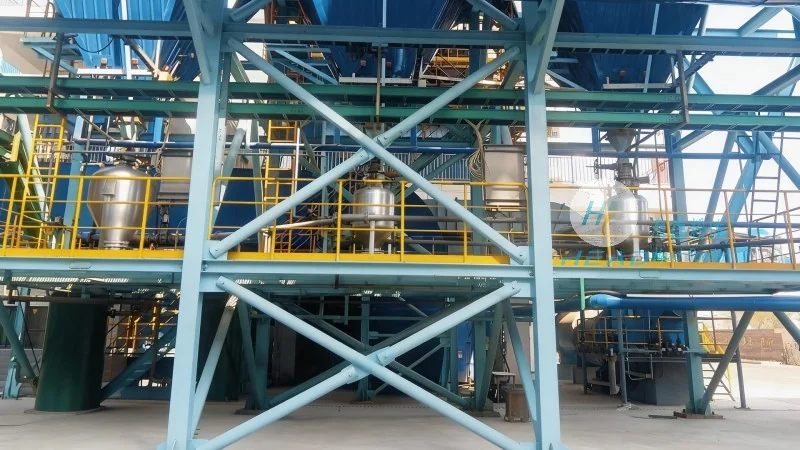
Working Scene Characteristics of the Pneumatic Conveying Line
The working scene characteristics of a potash fertilizer powder pneumatic conveying line are tailored to the specific requirements of fertilizer handling in industrial settings. These characteristics include:
- High Efficiency and Capacity: The system is engineered to handle large volumes of potassium carbonate fertilizer, ensuring that production lines can operate continuously without interruptions. The design allows for high throughput, which is crucial for meeting the demands of agricultural markets.
- Dust-Free and Clean Transfer: Pneumatic conveying minimizes dust generation compared to traditional methods like bucket elevators or screw conveyors. This is particularly important for potassium carbonate, as it is a fine powder that can cause respiratory issues and contamination if not handled properly. The enclosed system and filtration mechanisms ensure that the environment remains clean and safe for operators.
- Reduced Maintenance and Operational Costs: By eliminating mechanical parts that are prone to wear and tear, the pneumatic system reduces the need for frequent maintenance. The absence of moving parts also lowers energy consumption, as the air flow is optimized to minimize power usage while maintaining the required conveying speed.
- Flexibility in Layout: The system can be configured to fit various plant layouts, allowing for horizontal, vertical, or combination (horizontal and vertical) conveying paths. This flexibility is essential for adapting to existing infrastructure or new construction projects. The modular design of the components enables easy installation and modification as production needs change.
- Environmental Compliance: With strict regulations on dust emissions and material handling, the pneumatic conveying line meets environmental standards by using efficient filtration and containment systems. The enclosed design prevents dust from escaping into the environment, ensuring compliance with local and national regulations.
Application Scenarios and Benefits in Industrial Settings
The potash fertilizer powder pneumatic conveying line is widely used in various industrial settings, including fertilizer manufacturing plants, storage facilities, and distribution centers. In these scenarios, the system provides several benefits that enhance operational efficiency and safety. For example, in a fertilizer production plant, the line can transport potassium carbonate from storage silos to mixing and granulation units, ensuring a steady supply of raw material. In storage facilities, the system can move the fertilizer from bulk storage to packaging lines, reducing the risk of manual handling and potential accidents. The benefits extend to distribution centers, where the line can transfer the fertilizer to trucks or containers for shipment, maintaining the quality and integrity of the product.

Conclusion and Company Overview
HeadPowder Engineering Co., Ltd., with its headquarters in Shandong, China, is a trusted provider of advanced pneumatic conveying solutions for the fertilizer industry. The company's expertise in designing and implementing potash fertilizer powder pneumatic conveying lines ensures that clients receive systems that are tailored to their specific needs. By leveraging the principles of efficient air-based transport, the company helps industrial facilities improve productivity, reduce costs, and maintain a safe working environment. With a focus on quality and innovation, HeadPowder continues to be a leader in providing reliable and effective solutions for bulk material handling in the agricultural sector.