

Working Principle and Features of Intermittent Feeding Material Pneumatic Conveying Equipment
Shandong HeadPowder Engineering Co., Ltd., a leading manufacturer based in Shandong, China, specializes in the design and production of advanced pneumatic conveying systems. This article focuses on the working principle and key features of the intermittent feeding material pneumatic conveying equipment, which is widely used in various industrial applications for efficient material handling.

Working Principle of Intermittent Feeding Pneumatic Conveying Systems
The core function of an intermittent feeding pneumatic conveying machine is to transport bulk materials through a pipeline using compressed air or other gases. The system operates by creating a pressure differential between the inlet and outlet of the conveying line. In the intermittent feeding mode, material is introduced into the system in discrete batches, typically through a hopper or feeder, and then propelled forward by the airflow. This method allows for precise control over the quantity and timing of material delivery, which is crucial for applications requiring accurate dosing or processing. The equipment typically includes a feeding hopper, a rotary valve or feeder for controlled material discharge, a conveying pipeline, and a receiver or discharge unit. The compressed air is supplied by a blower or compressor, which generates the necessary pressure to move the material through the system. The process involves several key steps: material is first loaded into the hopper, then released into the pipeline in controlled amounts, and the air flow propels the material to the destination. The system can be designed for both positive and negative pressure operation, depending on the specific requirements of the application and the nature of the material being conveyed.

Key Features and Advantages of Intermittent Feeding Pneumatic Conveying Equipment
Intermittent feeding material pneumatic conveying equipment offers several advantages that make it a preferred choice in many industrial settings. One of the primary benefits is its ability to handle a wide range of materials, including powders, granules, and fine particles, with minimal degradation or contamination. The system is particularly effective for materials that are sensitive to moisture or air exposure, as the conveying process is enclosed and controlled. Another significant feature is the precise control over material flow, which is essential for applications such as pharmaceutical manufacturing, food processing, and chemical production where accurate dosing is critical. The intermittent feeding mechanism allows for consistent and repeatable material delivery, reducing variations in product quality and process efficiency. Additionally, the equipment is relatively compact and can be integrated into existing production lines without significant modifications. Maintenance requirements are generally low, as the system has fewer moving parts compared to traditional mechanical conveyors, and the components are designed for durability and long service life. The system also offers flexibility in terms of layout, as the conveying pipeline can be arranged in various configurations to suit the space constraints of the facility. This adaptability makes it suitable for both new installations and retrofitting in existing plants. Furthermore, the intermittent feeding design helps to minimize material buildup and blockages in the pipeline, as the material is moved in discrete batches rather than continuously. This reduces the risk of system downtime and maintenance costs associated with cleaning and repairs. The equipment is also energy-efficient, as the compressed air is used only during the material transfer, and the system can be optimized to minimize energy consumption. Overall, the intermittent feeding pneumatic conveying equipment provides a reliable and efficient solution for material handling, combining precision, flexibility, and durability.
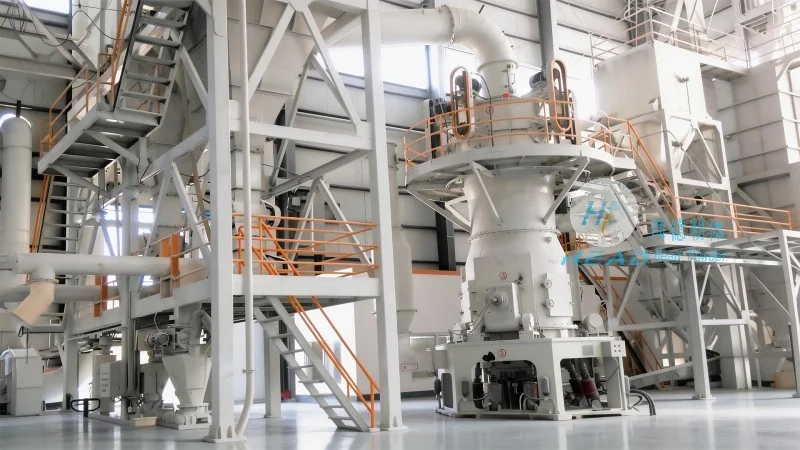
Applications and Industries Using Intermittent Feeding Pneumatic Conveying Equipment
The intermittent feeding material pneumatic conveying equipment is widely used across various industries due to its versatility and effectiveness. In the pharmaceutical industry, it is used for conveying active pharmaceutical ingredients (APIs) and excipients, ensuring that the materials are handled in a sterile and controlled environment. The precise feeding capabilities of the system help maintain the quality and purity of the pharmaceutical products. In the food and beverage industry, the equipment is used for conveying powders such as flour, sugar, and spices, which are sensitive to moisture and contamination. The enclosed system prevents cross-contamination and maintains the freshness of the food products. The chemical industry also utilizes this equipment for conveying various chemicals, including powders and granules, which may be hazardous or reactive. The system's ability to handle these materials safely and efficiently is a key advantage. In the cement and construction industry, the equipment is used for transporting raw materials such as limestone and clinker, which are heavy and abrasive. The intermittent feeding design helps to reduce wear and tear on the system components, extending their service life. Additionally, the equipment is used in the agricultural sector for conveying grain and other agricultural products, which are often handled in large quantities. The system's efficiency and reliability make it suitable for handling bulk agricultural materials. In the mining industry, the equipment is used for conveying ore and other minerals from processing plants to storage facilities. The ability to handle abrasive and heavy materials makes it a suitable choice for mining operations. Overall, the intermittent feeding material pneumatic conveying equipment is a versatile solution that meets the diverse needs of various industries, providing efficient and reliable material handling solutions.