

Working Principle and Features of an Oxide Copper Material Pneumatic Conveying Line
For industrial applications involving oxide copper material handling, efficient and reliable transportation systems are crucial. A pneumatic conveying line, specifically designed for oxide copper, offers a sophisticated solution that combines advanced engineering with practical functionality. This article explores the working principle and key features of such a system, highlighting how it addresses the unique challenges associated with oxide copper material transport.
Understanding the Working Principle of Oxide Copper Pneumatic Conveying
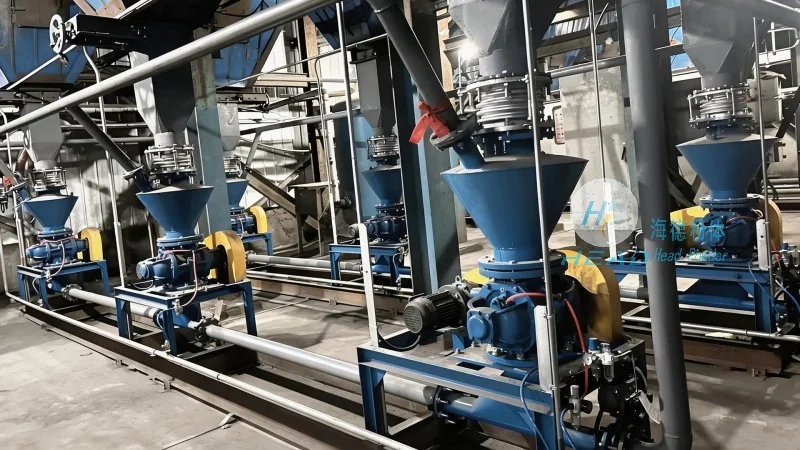
The core of an oxide copper pneumatic conveying line lies in its ability to transport bulk materials through a pressurized or vacuum environment using air or other gases. The system typically operates on one of two principles: positive pressure or negative pressure. In positive pressure systems, air is forced through the conveying line, carrying the oxide copper particles forward. This method is often preferred for longer distances or when dealing with abrasive or dusty materials like oxide copper, as it provides consistent flow and better control over particle distribution.
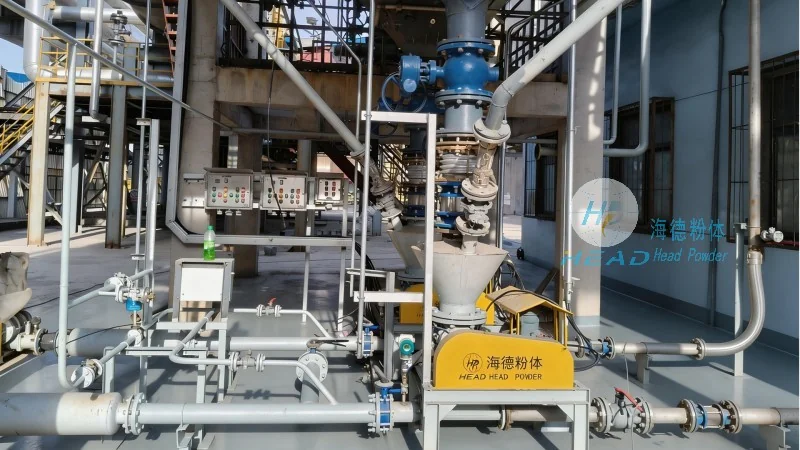
Key components of the system include a material feeder, which ensures a steady supply of oxide copper into the conveying line. The feeder may be a rotary valve or a screw feeder, designed to handle the specific characteristics of oxide copper, such as its density and particle size. The conveying line itself is constructed from materials resistant to corrosion and wear, as oxide copper can be chemically active and abrasive. A series of pipes connects the feeder to the receiving hopper or processing unit, with bends and elbows strategically placed to maintain the flow of material without excessive pressure loss.
At the receiving end, a separator or cyclone is used to separate the oxide copper particles from the air stream. This component is critical for maintaining material purity and preventing dust contamination. The separated oxide copper is then collected in a hopper or storage bin, while the air is either filtered and recirculated or released to the atmosphere, depending on the system design. The entire process is controlled by a programmable logic controller (PLC), which monitors pressure, flow rate, and other parameters to ensure optimal operation and prevent system failures.
Key Features of Oxide Copper Pneumatic Conveying Systems
When evaluating an oxide copper pneumatic conveying line, several features stand out as essential for performance and reliability. One of the most significant advantages is the system's ability to handle a wide range of particle sizes and densities, making it suitable for both fine and coarse oxide copper powders. This versatility is particularly valuable in industrial settings where material characteristics may vary.
Efficiency is another critical feature. By eliminating the need for mechanical components like conveyor belts or buckets, pneumatic conveying reduces maintenance costs and operational downtime. The system also minimizes material degradation, as the particles are not subjected to friction or impact that can occur with traditional conveyor systems. This is especially important for oxide copper, which can be sensitive to handling conditions and may require preservation of its chemical properties.
Environmental considerations are also a key feature of modern oxide copper pneumatic conveying systems. Many designs incorporate dust collection and filtration systems to comply with environmental regulations and protect the health of workers. The use of enclosed pipelines prevents dust emissions, contributing to a cleaner and safer working environment. Additionally, the system's energy efficiency, achieved through optimized air flow and pressure management, reduces operational costs and environmental impact.
Automation and control are integral features that enhance the system's performance and adaptability. Advanced control systems allow for real-time monitoring and adjustment of conveying parameters, ensuring consistent material flow and preventing overloading or underflow. This level of automation is particularly beneficial in high-volume production environments, where precise control is essential for maintaining quality and productivity.
Customization and Application in Industrial Settings
Shandong HeadPowder Engineering Co., Ltd., a leading manufacturer in the field, specializes in designing and manufacturing customized oxide copper pneumatic conveying lines tailored to specific industrial needs. With years of experience in material handling technology, the company understands the unique challenges of oxide copper and develops solutions that address these challenges effectively.

The company's approach involves a thorough analysis of the client's requirements, including the type and quantity of oxide copper, the distance of transport, and the desired level of automation. Based on this analysis, a system is designed with the appropriate components, such as specialized feeders, corrosion-resistant materials, and advanced control systems. The final product is rigorously tested to ensure it meets the highest standards of performance and reliability.
Applications of oxide copper pneumatic conveying systems range from mining and mineral processing to chemical and pharmaceutical industries. In mining, the system is used to transport oxide copper ore from the mine to processing facilities, where it is further refined. In chemical industries, the system is employed to handle oxide copper as a raw material for various products, such as copper-based catalysts or pigments. The versatility of the system makes it suitable for a wide array of applications, providing a reliable and efficient solution for material transport.
Conclusion and Advantages
An oxide copper material pneumatic conveying line is a sophisticated and efficient solution for industrial material handling. By leveraging the principles of pneumatic transport, the system addresses the unique challenges of oxide copper, including its density, particle size, and potential chemical reactivity. The key features of such a system, including versatility, efficiency, environmental friendliness, and automation, make it an attractive option for industries seeking reliable and cost-effective material transport solutions.
Shandong HeadPowder Engineering Co., Ltd. stands out as a trusted partner in providing these systems, with a commitment to quality, customization, and customer satisfaction. By investing in a well-designed pneumatic conveying line, industries can enhance their operational efficiency, reduce costs, and ensure the safe and effective handling of oxide copper materials.