

Working Principle and Features of Intermittent Inflated Tank Type Bulk Material Pneumatic Conveying
Intermittent inflated tank type pneumatic conveying systems represent a sophisticated solution for the efficient transport of bulk materials over medium to long distances. This technology is particularly valuable in industries such as chemical, food processing, and pharmaceuticals, where maintaining material integrity and minimizing contamination are critical. The system operates by utilizing a series of pressurized tanks that are intermittently inflated and deflated to create a controlled flow of material through a pipeline. The design incorporates advanced engineering principles to ensure reliable and consistent performance, making it an ideal choice for applications requiring precise material handling.

Working Principle of Intermittent Inflated Tank Pneumatic Conveying System
The core mechanism of the intermittent inflated tank system involves the use of a series of tanks that are connected in a sequential manner. Each tank is equipped with a pressure control valve and an air inlet. The operation begins with the first tank being pressurized using compressed air, which forces the bulk material inside to move forward through the pipeline. As the material exits the first tank, the pressure is released, and the tank is then deflated. The next tank in the sequence is then pressurized, repeating the process. This cyclic inflation and deflation create a pulsating flow of material, which is maintained by the controlled timing of the pressure changes. The system is designed to ensure that the material is conveyed in a continuous stream while minimizing the risk of blockages or material degradation. The use of multiple tanks allows for the accommodation of varying material types and flow rates, providing flexibility in operation.
Key Features of the Intermittent Inflated Tank Pneumatic Conveying System
One of the primary advantages of this system is its ability to handle a wide range of bulk materials, including powders, granules, and even wet or sticky substances. The intermittent inflation process helps to prevent material buildup and ensures that the material remains in a fluidized state, reducing the likelihood of clogging. Additionally, the system is highly energy-efficient compared to traditional pneumatic conveying methods, as it uses less compressed air and operates at lower pressures. This results in significant cost savings for operators while maintaining high throughput rates. The design also incorporates safety features, such as pressure relief valves and automatic shut-off mechanisms, to prevent over-pressurization and ensure safe operation. Another notable feature is the system's adaptability to different pipeline configurations, allowing it to be integrated into existing industrial setups with minimal modifications. The use of durable materials in the construction of the tanks and pipelines ensures long-term reliability and reduces maintenance requirements.

Applications and Benefits in Industrial Settings
The intermittent inflated tank type pneumatic conveying system is widely used in various industrial applications. In the chemical industry, it is employed for the transport of raw materials and finished products, such as powders and granules, between processing units. The food processing sector utilizes this technology for the handling of food-grade materials, ensuring that the system meets stringent hygiene and safety standards. In the pharmaceutical industry, the system's ability to maintain material purity and prevent contamination makes it an essential component in the production of active pharmaceutical ingredients (APIs) and other sensitive products. The benefits of this system extend beyond material handling, as it also contributes to improved operational efficiency and reduced downtime. By minimizing the need for manual handling and reducing the risk of material loss or spillage, the system enhances overall productivity and safety in the workplace. Furthermore, the system's compact design allows for installation in spaces with limited room, making it suitable for retrofitting into existing facilities.
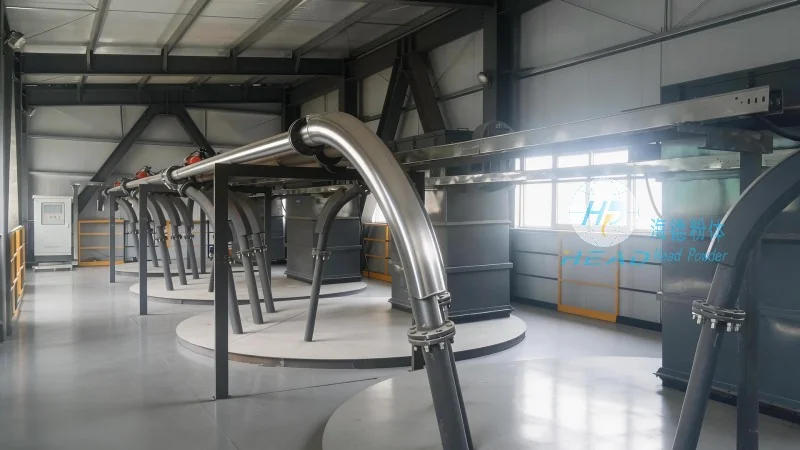
Technical Specifications and Performance Metrics
The performance of the intermittent inflated tank pneumatic conveying system is defined by several key technical specifications. The system is capable of conveying materials at distances ranging from 100 meters to several kilometers, depending on the number of tanks and the pressure applied. The maximum flow rate can reach up to several tons per hour, making it suitable for high-volume applications. The system operates at pressures typically ranging from 0.5 to 2 bar, which is significantly lower than traditional high-pressure pneumatic conveying systems, thus reducing energy consumption and equipment costs. The material handling capacity is influenced by factors such as the particle size, density, and moisture content of the material being conveyed. The system's efficiency is also measured by its conveying efficiency, which is the ratio of the actual material transported to the theoretical maximum capacity. This metric is crucial for optimizing the system's performance and ensuring that it meets the operational requirements of the user. The system's reliability is further enhanced by its modular design, which allows for easy maintenance and replacement of individual components without disrupting the entire operation.
Conclusion and Company Overview
In conclusion, the intermittent inflated tank type pneumatic conveying system offers a reliable and efficient solution for bulk material transport in various industrial applications. Its working principle, which involves cyclic inflation and deflation of tanks, ensures consistent material flow while minimizing energy consumption and maintenance requirements. The key features of the system, including its adaptability to different materials, energy efficiency, and safety features, make it a preferred choice for industries that demand high standards of material handling. The system's performance metrics, such as conveying distance, flow rate, and efficiency, demonstrate its capability to handle diverse operational needs. As a leading provider of engineering solutions, Shandong HeadPowder Engineering Co., Ltd. specializes in the design and manufacturing of such advanced pneumatic conveying systems, leveraging years of experience and expertise to deliver high-quality products that meet the evolving demands of the industry. With a focus on innovation and customer satisfaction, the company continues to develop cutting-edge solutions that enhance operational efficiency and safety in industrial settings. Based in Shandong, China, HeadPowder Engineering Co., Ltd. serves clients globally, providing tailored solutions that address specific material handling challenges. The company's commitment to quality and reliability has established it as a trusted partner in the field of bulk material transport technology.