

Working Principle and Features of Rapeseed Pneumatic Conveying Lines
Rapeseed, scientifically known as Brassica napus or Brassica rapa subsp. oleifera, is a vital oilseed crop cultivated globally for its high oil yield and nutritional benefits. The efficient transportation of rapeseed from the field to processing facilities is critical for maximizing yield and ensuring the quality of the final product. Traditional handling methods, such as manual loading or mechanical conveyors, often face challenges like material degradation, contamination, and inefficiency. Pneumatic conveying systems have revolutionized the way rapeseed is handled, offering a modern, reliable, and efficient solution. This article delves into the working principle and key features of rapeseed pneumatic conveying lines, providing insights into how these systems enhance operational performance in the agricultural and food processing sectors.

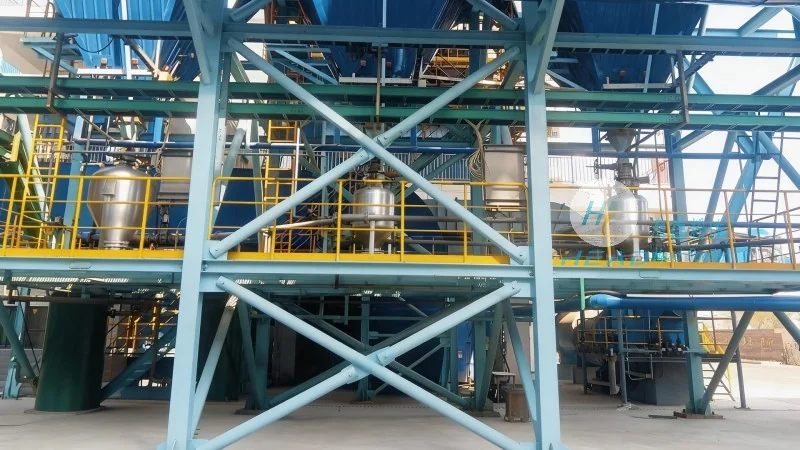

Working Principle of Rapeseed Pneumatic Conveying Lines
The fundamental principle behind rapeseed pneumatic conveying lines is the use of compressed air to transport material through a closed pipeline system. The process begins with the rapeseed being stored in a hopper or silo, from which it is fed into the conveying line via a feeder. The feeder controls the flow rate of the rapeseed, ensuring a consistent supply to the system. A blower or air compressor then generates a high-pressure air stream that propels the rapeseed particles through the pipeline. The system may operate in either dilute phase or dense phase, depending on the specific requirements of the application. In dilute phase conveying, the rapeseed is suspended in the air stream, allowing for rapid and uniform transport. This mode is suitable for short to medium distances and when the material is relatively dry. Dense phase conveying, on the other hand, uses higher air pressure to move the material in a more compact form, reducing the risk of product degradation and wear on the system components. This mode is ideal for longer distances or when handling more delicate or moisture-rich rapeseed. The pipeline network consists of straight sections and bends, with appropriate fittings to maintain the air flow and prevent blockages. The system includes a discharge device, such as a rotary valve or a venturi, at the end of the pipeline to control the release of the rapeseed into the receiving container or processing unit. The entire process is designed to minimize energy consumption while ensuring efficient material transport, with the air compressor and blower being the primary energy consumers. The system's efficiency is enhanced by optimizing the air pressure and flow rate to match the material characteristics and conveying distance.
Key Features of Rapeseed Pneumatic Conveying Lines
Rapeseed pneumatic conveying lines offer several distinct advantages that set them apart from traditional handling methods. One of the most significant features is their ability to handle a wide range of rapeseed varieties, including different grades and moisture contents. The system's flexibility allows for easy adaptation to changing production needs, such as seasonal variations or increased processing capacity. Another key feature is the reduced risk of contamination and cross-contamination. The enclosed pipeline system prevents exposure to dust, pests, and environmental contaminants, ensuring the rapeseed remains clean and free from foreign materials. This is particularly important for rapeseed intended for oil extraction, where product purity is critical. Additionally, pneumatic conveying systems minimize product breakage and damage, which is essential for maintaining the quality of the rapeseed. Unlike mechanical conveyors that may cause abrasion or impact, the air stream in a pneumatic system gently transports the material, preserving its integrity. The system also offers improved safety, as there are no moving parts exposed to the material, reducing the risk of accidents or injuries. Furthermore, the design of the conveying line can be customized to meet specific operational requirements, including the required capacity, the distance to be covered, and the desired flow rate. This customization ensures optimal performance and efficiency in various production scenarios, from small-scale farms to large industrial processing plants. The system's reliability and low maintenance requirements also contribute to its popularity, as it reduces downtime and operational costs for businesses.