

Working Principle and Features of Ceramic Powder Pneumatic Conveying Systems
Understanding the working principle and features of ceramic powder pneumatic conveying systems is crucial for industries dealing with fine powder materials, such as ceramics, pharmaceuticals, and chemicals. These systems are designed to transport dry powders through a pipeline using compressed air or other gas, offering a dust-free and efficient method compared to traditional mechanical conveyors. Shandong HeadPowder Engineering Co., Ltd., a leading manufacturer of such systems, specializes in providing high-quality solutions tailored to the unique needs of various industries.

Introduction to Ceramic Powder Pneumatic Conveying Systems
Ceramic powder pneumatic conveying systems are specialized equipment used to transport fine ceramic powders from one location to another within industrial facilities. The primary goal is to achieve efficient, safe, and clean material handling, which is essential for maintaining product quality and operational efficiency in manufacturing processes. These systems are particularly suitable for materials that are abrasive, hygroscopic, or sensitive to moisture and contamination.
Working Principle of Ceramic Powder Pneumatic Conveying Lines
The core of a ceramic powder pneumatic conveying system is the use of air pressure to move powder particles through a pipeline. The process typically involves several key components: a hopper for material storage, a feeder to control the flow rate, a compressor to generate the necessary air pressure, and a pipeline network to transport the powder. The system operates by creating a negative pressure or positive pressure environment within the pipeline, depending on the specific design. In a negative pressure system, the air is drawn through the pipeline, pulling the powder particles along with it. In a positive pressure system, compressed air pushes the powder forward. The choice between these systems depends on factors such as the material's properties, the distance to be covered, and the required flow rate.

During operation, the ceramic powder is fed into the system from the hopper. The feeder then controls the flow rate to ensure a consistent and controlled supply of powder. The compressor then generates the required air pressure, which is introduced into the pipeline. The air and powder mixture travels through the pipeline, with the air providing the necessary force to move the powder. The system may include additional components such as filters, cyclones, or separators to separate the air from the powder at the end of the pipeline, allowing the powder to be discharged into the target container or processing unit. This separation process is critical to maintain the purity of the powder and to recycle the air for reuse, reducing operational costs and environmental impact.
Key Features of Ceramic Powder Pneumatic Conveying Systems
Ceramic powder pneumatic conveying systems offer several advantages over traditional mechanical conveyors. First, they provide a dust-free environment, which is essential for maintaining product quality and ensuring worker safety. Unlike mechanical systems that can generate dust and cause contamination, pneumatic systems keep the powder contained within the pipeline, reducing the risk of airborne particles. Second, these systems are highly efficient in terms of material handling, as they can transport large quantities of powder over long distances with minimal energy consumption. The use of compressed air allows for precise control over the flow rate and pressure, ensuring consistent performance. Third, the systems are flexible and can be easily integrated into existing industrial facilities. They can be adapted to different layouts and can handle various types of ceramic powders, including those with different particle sizes and moisture content. Fourth, the systems are low maintenance, as they have fewer moving parts compared to mechanical conveyors, reducing the risk of breakdowns and maintenance costs. Additionally, the ability to recycle the air used in the system reduces energy consumption and environmental impact, making these systems more sustainable.
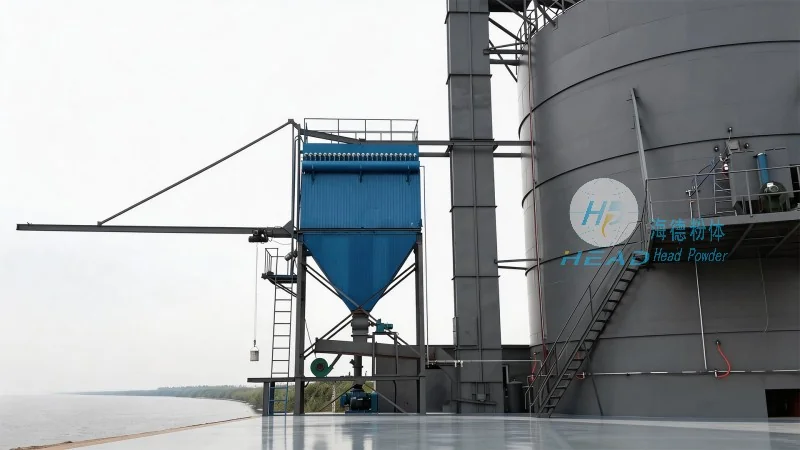
Applications of Ceramic Powder Pneumatic Conveying Systems
Ceramic powder pneumatic conveying systems are widely used in various industries that handle fine powder materials. In the ceramics industry, these systems are used to transport raw materials such as clay, feldspar, and silica to production lines. They are also used in the pharmaceutical industry to transport active pharmaceutical ingredients (APIs) and excipients, ensuring that the materials are handled in a sterile and dust-free environment. In the chemical industry, these systems are used to transport various powders, including catalysts and reagents, which are often sensitive to moisture and contamination. The systems are also used in food processing, where they help to transport ingredients such as flour and sugar in a hygienic manner. Overall, the versatility and efficiency of ceramic powder pneumatic conveying systems make them a preferred choice for industries that require reliable and clean material handling.
Conclusion
In conclusion, ceramic powder pneumatic conveying systems are an essential part of modern industrial material handling. They offer a reliable, efficient, and safe method for transporting fine ceramic powders, with features that make them suitable for various applications. The working principle of these systems, which involves the use of compressed air to move powder through a pipeline, is well-established and effective. The key features, including dust-free operation, high efficiency, and flexibility, make them a valuable investment for industries dealing with ceramic powders. As technology continues to advance, these systems are likely to become even more efficient and sustainable, further enhancing their role in industrial processes.