

Working Principle and Features of Dust Gas-Pneumatic Conveying Equipment
Gas-pneumatic conveying equipment is a critical component in modern material handling systems, particularly for the efficient and safe transport of dust and fine particulate materials. Understanding its working principle and key features is essential for industries such as mining, chemical processing, and food production, where reliable material transport is vital for operational efficiency and product quality. This article explores the fundamental mechanisms behind these systems and highlights the distinct characteristics that make them suitable for diverse industrial applications.

The Working Principle of Dust Gas-Pneumatic Conveying Equipment
The core operation of dust gas-pneumatic conveying equipment revolves around the use of compressed air to move bulk materials through a pipeline. The process typically begins with the material being introduced into a hopper or feeder, where it is then drawn into a pipeline by the pressure differential created by the compressed air. As the air flows through the system, it entrains the dust particles, forming a dense, air-solids mixture that travels through the pipeline to the destination point. The equipment may include components such as a blower, a hopper, a pipeline network, and a discharge device, all working in tandem to ensure smooth material transport. The compressed air acts as the driving force, while the material is carried along by the air stream, allowing for continuous and automated material handling without the need for mechanical components like belts or buckets.
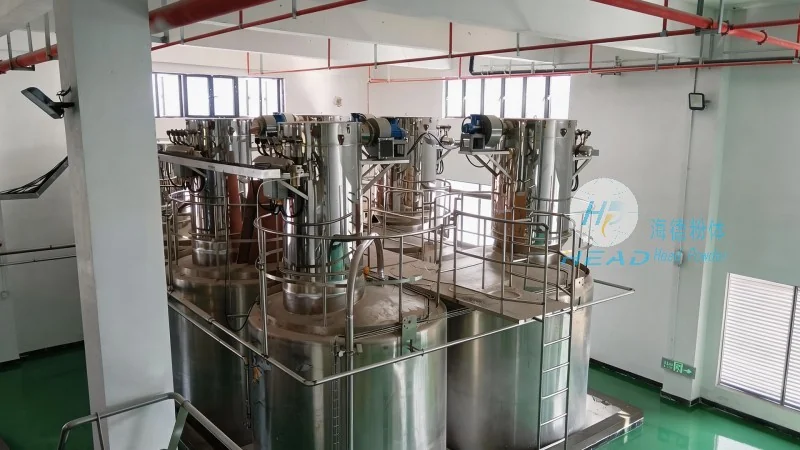
Key Features of Dust Gas-Pneumatic Conveying Equipment
Several key features distinguish dust gas-pneumatic conveying equipment from other material handling methods. First, it offers a completely enclosed system, which helps prevent dust contamination and ensures a clean working environment. This is particularly important in industries where dust control is a regulatory requirement or where product purity is critical. Second, the system is highly flexible, allowing for the transport of materials over long distances and through complex layouts, including vertical and horizontal segments. The ability to adjust the air pressure and flow rate enables precise control over the material flow rate, ensuring consistent delivery to the processing or storage points. Third, the equipment is relatively low in maintenance compared to other conveying systems, as it has fewer moving parts and is less prone to wear and tear. This reduces downtime and operational costs, making it a cost-effective solution for many industrial applications. Additionally, the system can handle a wide range of materials, from fine powders to granules, and can be adapted to different production scales, from small-scale operations to large industrial facilities.
Applications and Benefits in Industrial Settings
Dust gas-pneumatic conveying equipment finds widespread application across various industries due to its versatility and efficiency. In the mining sector, it is used to transport ore and tailings from processing plants to storage or disposal sites. In chemical processing, it facilitates the transport of raw materials and intermediates between different stages of production, ensuring a continuous flow of materials. The food industry also benefits from this technology, as it allows for the safe and hygienic transport of food powders and ingredients without cross-contamination. The benefits of using this equipment extend beyond just material transport; it also contributes to improved workplace safety by minimizing dust exposure and reducing the risk of respiratory illnesses among workers. Furthermore, the enclosed system helps maintain product quality by preventing contamination from external sources, which is crucial for industries where product purity is a key selling point.

Conclusion and Company Overview
Gas-pneumatic conveying equipment is a sophisticated and efficient solution for the transport of dust and fine particulate materials, offering numerous advantages over traditional mechanical conveying methods. Its working principle, based on compressed air and enclosed pipelines, provides a reliable and flexible means of material handling, while its key features, such as dust control, low maintenance, and adaptability, make it a preferred choice for many industrial applications. As industries continue to seek more efficient and sustainable material handling solutions, the importance of understanding and implementing these systems will only grow. Shandong HeadPowder Engineering Co., Ltd., a leading manufacturer in this field, specializes in designing and supplying high-quality dust gas-pneumatic conveying equipment tailored to the specific needs of various industries. With a focus on innovation and customer satisfaction, the company provides comprehensive solutions that enhance operational efficiency and ensure compliance with industry standards. Based in Shandong, China, HeadPowder Engineering leverages years of experience and advanced technology to deliver reliable and durable equipment that meets the demands of modern industrial operations.