

What is a Chili Dry Powder Pneumatic Conveyor? Exploring Its Design Principles
Chili dry powder, a staple in culinary arts and industrial applications, requires efficient and reliable handling systems to maintain its quality and integrity. This is where the chili dry powder pneumatic conveyor emerges as a sophisticated solution, engineered to transport these delicate materials with precision and care. In this article, we delve into the essence of such conveyors, examining their design principles and the technological advancements that make them indispensable in modern processing facilities.

Introduction to Chili Dry Powder Pneumatic Conveyors
At the heart of many food processing and material handling operations lies the need to move chili dry powder efficiently from one point to another. Traditional methods, such as manual handling or mechanical conveyors, often fall short when dealing with the fine, lightweight nature of chili powder. The chili dry powder pneumatic conveyor addresses these challenges by utilizing air as the primary medium for material transport, offering a hygienic, dust-free, and flexible solution. This system is particularly advantageous in industries where maintaining product purity and preventing contamination is paramount, such as in food processing, pharmaceuticals, and chemical manufacturing.
Design Principles of Pneumatic Conveyors for Chili Dry Powder
The design of a chili dry powder pneumatic conveyor is built on several key principles that ensure optimal performance and efficiency. First, the system relies on the principle of air pressure to move the powder through a network of pipes. By creating a pressure differential, the conveyor draws the powder into the system, where it is carried by the air flow. This method is known as suction or negative pressure conveying, which is ideal for transporting fine powders like chili powder that are prone to clogging or degradation if handled improperly.
Second, the material's properties play a crucial role in the design. Chili dry powder is typically fine, with a high surface area and low bulk density, making it susceptible to static electricity and air resistance. Therefore, the conveyor's components, including the hopper, feeders, and ducts, are designed to minimize friction and ensure smooth flow. The use of smooth, non-stick surfaces and appropriate air velocities is critical to prevent agglomeration and maintain the powder's quality. Additionally, the system incorporates features like air filters and moisture control mechanisms to protect the powder from environmental factors that could affect its flavor and texture.

Key Components and Their Functions
Understanding the individual components of a chili dry powder pneumatic conveyor helps in appreciating its overall functionality. The main components include the hopper, which serves as the storage and feeding unit, the feeder (often a rotary valve or a star feeder), the air compressor or vacuum pump, the ductwork, and the discharge unit. Each component is carefully engineered to work in harmony, ensuring consistent and reliable operation.
The hopper is designed to hold a sufficient quantity of chili powder, allowing for continuous feeding without interruptions. It is equipped with a lid and a discharge port connected to the feeder. The feeder regulates the flow of powder into the ductwork, controlling the rate of material transport. The air compressor or vacuum pump generates the necessary air pressure or negative pressure to move the powder. The ductwork, made of materials resistant to corrosion and powder buildup, forms the path for the powder and air mixture. Finally, the discharge unit collects the powder at the destination, often with a filter to prevent air leakage and maintain hygiene.
Advantages of Using Pneumatic Conveyors for Chili Dry Powder
Implementing a chili dry powder pneumatic conveyor offers numerous advantages over traditional handling methods. Firstly, it provides a hygienic and dust-free environment, which is essential in food processing industries where product contamination must be strictly avoided. The enclosed system prevents the powder from coming into contact with external contaminants, ensuring that the final product meets stringent quality standards. Secondly, the system is highly flexible, allowing for easy reconfiguration and adaptation to changing production needs. The ductwork can be easily extended or repositioned, making it suitable for complex layouts in processing facilities.

Thirdly, pneumatic conveyors are energy-efficient compared to mechanical conveyors, as they use air, which is a readily available and cost-effective medium. The system also reduces labor costs by automating the material handling process, minimizing the need for manual labor and associated risks. Furthermore, the conveyor's ability to handle fine powders without degradation makes it ideal for preserving the flavor and aroma of chili powder, which are critical in culinary applications. The system's compact design also saves space in processing facilities, making it a practical choice for both small and large-scale operations.
Applications in the Food Industry
The chili dry powder pneumatic conveyor finds extensive applications in the food industry, particularly in the production of spices, seasonings, and ready-to-use food products. In spice processing plants, the conveyor is used to transport chili powder from storage silos to mixing and packaging areas, ensuring a seamless flow of materials. It is also employed in the manufacturing of instant soups, sauces, and seasonings, where consistent and uniform powder distribution is crucial for product quality. The conveyor's ability to handle large volumes of powder efficiently makes it suitable for high-production environments, where speed and reliability are key.
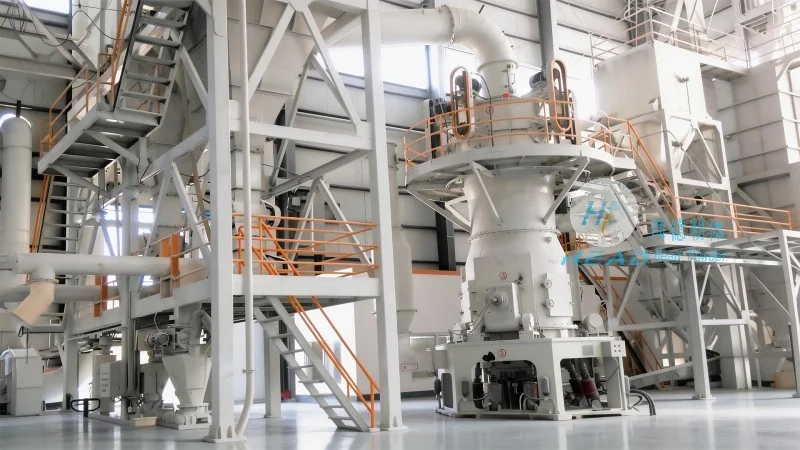
In addition to food processing, the system is used in the production of pharmaceuticals and nutraceuticals, where the purity and quality of the powder are of utmost importance. The hygienic design of the conveyor ensures that the powder remains free from contaminants, meeting the stringent regulatory requirements of the pharmaceutical industry. The system's flexibility also allows for the handling of different types of powders, including those with varying moisture content or particle sizes, making it a versatile solution for diverse applications.
Conclusion
Chili dry powder pneumatic conveyors represent a sophisticated and efficient solution for handling delicate materials in various industries. By leveraging the principles of air pressure and careful component design, these systems ensure the safe and reliable transport of chili powder while maintaining its quality and integrity. The advantages of hygienic operation, flexibility, and energy efficiency make them a preferred choice for modern processing facilities. As the demand for high-quality chili products continues to grow, the role of such conveyors in ensuring efficient and effective material handling will only become more significant.
Shandong HeadPowder Engineering Co., Ltd., a leading manufacturer of pneumatic conveying systems, specializes in designing and manufacturing customized solutions for chili dry powder and other fine powders. With years of experience and a commitment to quality, the company provides reliable and durable conveyors that meet the specific needs of its clients. Based in China, the company leverages its expertise to deliver innovative and efficient solutions that enhance productivity and product quality in the food and industrial sectors.