

What is a Bauxite Material Pneumatic Conveying System? What are the Design Principles?
Bauxite, a primary source of aluminum ore, is often transported in bulk quantities across industrial sites and processing facilities. The efficient handling of bauxite material is crucial for maintaining smooth operations in aluminum production processes. One of the most effective methods for this task is the bauxite material pneumatic conveying system, which utilizes air to transport the material from one location to another. This article explores the fundamental aspects of such a system, including its design principles and the key considerations involved in its implementation.

Introduction to Bauxite Material Pneumatic Conveying Systems
Bauxite material pneumatic conveying systems are engineered to transport bulk solid materials, specifically bauxite, through a pipeline using a stream of air or other gas. This method offers several advantages over traditional mechanical conveying systems, such as reduced equipment wear, lower maintenance costs, and the ability to handle materials in a dust-free environment. The system typically consists of a hopper for material storage, a feeder to control the flow rate, a conveying line, and a receiver to deposit the material at the destination. The entire process relies on the pressure or vacuum created by the air flow to move the bauxite particles through the pipeline.
Key Components of a Bauxite Pneumatic Conveying System
The design of a bauxite material pneumatic conveying system involves several critical components, each playing a vital role in the overall operation. The primary components include:

- Material Hopper: A storage vessel that holds the bauxite ore before it is fed into the system. The hopper is designed to maintain a consistent material level and prevent blockages.
- Feeder: A device that regulates the flow of bauxite from the hopper into the conveying line. Common types include rotary valves, screw feeders, and vibratory feeders, which ensure a controlled and steady feed rate.
- Conveying Line: The pipeline through which the bauxite is transported. The line is typically made of materials like stainless steel or plastic, chosen for their resistance to corrosion and wear from the bauxite particles.
- Conveying Air System: This includes the blower or compressor that generates the air flow, as well as the air filter and moisture separator to maintain air quality and prevent system blockages.
- Receiver: The final container where the bauxite is deposited after being conveyed through the line. The receiver is designed to handle the material's weight and prevent spillage.
Design Principles for Bauxite Material Pneumatic Conveying Systems
The design of a bauxite material pneumatic conveying system must consider several factors to ensure optimal performance and efficiency. The primary design principles include:

- Flow Rate and Velocity: The air velocity within the conveying line must be sufficient to lift and transport the bauxite particles without causing excessive wear on the system components. The flow rate is determined by the material's properties, such as particle size, density, and moisture content.
- System Pressure and Vacuum: The system can operate under either positive pressure (where air is forced through the line) or negative pressure (where air is drawn from the line). The choice depends on the application and the distance the material needs to be transported.
- Material Characteristics: The design must account for the bauxite's physical properties, including particle size distribution, bulk density, and abrasiveness. These factors influence the selection of components like the feeder and the conveying line material.
- System Layout and Distance: The layout of the conveying system, including the length and number of bends in the pipeline, affects the air pressure requirements and the overall efficiency. Proper planning of the system layout is essential to minimize energy consumption and prevent blockages.
- Energy Efficiency: Modern bauxite pneumatic conveying systems are designed with energy efficiency in mind. This includes optimizing the air flow rate, using efficient blower systems, and minimizing pressure losses due to bends and fittings.
HeadPowder's Expertise in Bauxite Material Pneumatic Conveying Systems
Shandong HeadPowder Engineering Co., Ltd., a leading provider of material handling solutions, specializes in the design and implementation of bauxite material pneumatic conveying systems. With years of experience in the industry, HeadPowder has developed a deep understanding of the unique challenges associated with handling bauxite ore. The company's engineers work closely with clients to assess their specific requirements, including the volume of material to be transported, the distance between the source and destination, and the operational environment.
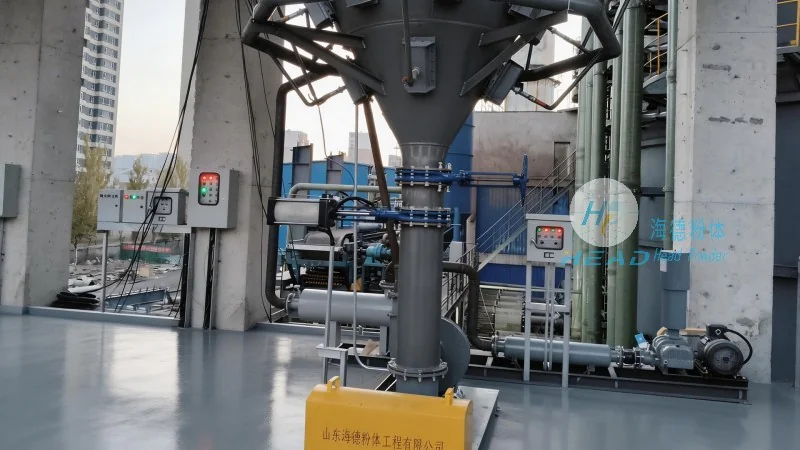
HeadPowder's approach to system design emphasizes reliability, efficiency, and cost-effectiveness. By leveraging advanced engineering techniques and high-quality components, the company ensures that its bauxite pneumatic conveying systems meet the highest standards of performance and durability. The company's commitment to customer satisfaction is reflected in its comprehensive after-sales support and technical assistance services.
Conclusion
Bauxite material pneumatic conveying systems are a critical component of modern aluminum production facilities, offering efficient and reliable transportation of bulk materials. The design principles and components of such systems are carefully selected to meet the specific needs of the application, ensuring optimal performance and minimal maintenance. With its expertise and experience, Shandong HeadPowder Engineering Co., Ltd. provides top-tier solutions for bauxite material handling, helping clients achieve their operational goals with confidence.