

What is a Calcined Gypsum Powder Pneumatic Conveying System? What Are Its Design Principles?
Calcined gypsum powder pneumatic conveying systems represent a specialized technology used in the handling and transportation of calcined gypsum, a material commonly utilized in construction, manufacturing, and other industrial applications. Understanding the functionality and design principles of such systems is crucial for optimizing material flow, ensuring operational efficiency, and maintaining product quality throughout the conveying process.

Overview of Calcined Gypsum Powder Pneumatic Conveying Systems
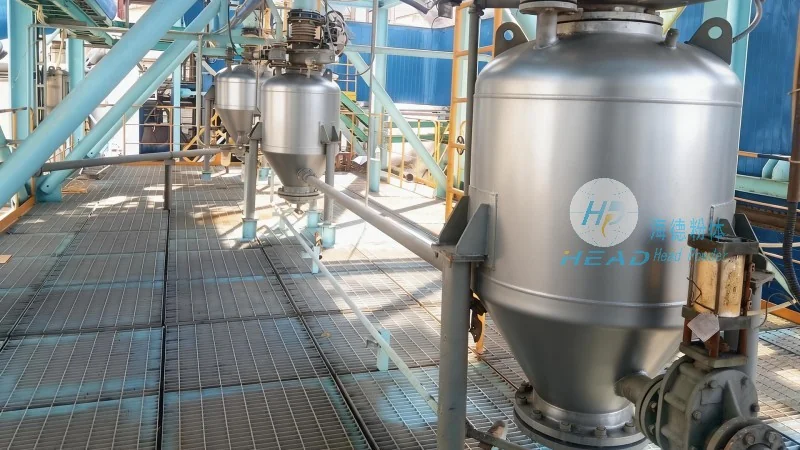
A calcined gypsum powder pneumatic conveying system is a mechanism that uses compressed air or other gas to transport dry, fine powders like calcined gypsum from one location to another. This method is particularly advantageous for materials that are difficult to handle via traditional bulk material handling methods, such as those involving high dust generation or sensitivity to moisture. The system typically consists of several key components, including a hopper for material storage, a conveying line (often a flexible hose or rigid pipe), a blower or compressor to generate the necessary air pressure, and a receiver or discharge point for the material.
Key Components and Their Functions
The effectiveness of a calcined gypsum powder pneumatic conveying system relies on the proper integration and operation of its core components. The hopper serves as the primary storage vessel, ensuring a consistent supply of material to the system. It is designed to minimize material bridging or caking, which can impede flow. The conveying line, made from materials resistant to the corrosive or abrasive properties of calcined gypsum, transports the material through the system. The blower or compressor provides the motive force, generating the pressure differential needed to move the powder. Finally, the receiver or discharge point collects the material at its destination, often equipped with filtration systems to capture any airborne particles and maintain environmental compliance.
Design Principles for Efficient Material Handling
The design of a calcined gypsum powder pneumatic conveying system is guided by several fundamental principles aimed at maximizing efficiency and minimizing operational issues. One critical principle is the selection of appropriate air velocity and pressure. The air velocity must be sufficient to entrain the powder particles but not so high as to cause excessive wear on the system components or generate excessive dust. Pressure levels are carefully calibrated to ensure that the material is conveyed without clogging or segregation. Another key design principle involves the system's layout and configuration. The conveying line's length, bends, and elevation changes are optimized to minimize energy consumption and prevent material buildup. Additionally, the inclusion of features such as pulse jets or rotary valves helps maintain consistent flow and prevent blockages.

Operational Considerations and Maintenance
Proper operation and regular maintenance are essential for the long-term performance of a calcined gypsum powder pneumatic conveying system. Operators must monitor air pressure, flow rates, and material levels to detect any anomalies early. Regular cleaning of the conveying line and hopper is necessary to prevent the accumulation of material that could lead to clogs or reduced efficiency. The blower or compressor must also be maintained to ensure consistent air delivery, as fluctuations in pressure can impact the system's performance. Additionally, the use of filters and dust collection systems helps maintain air quality and prevent environmental contamination, which is particularly important when handling powders like calcined gypsum.

Applications and Benefits in Industrial Settings
Calcined gypsum powder pneumatic conveying systems find applications in various industries where the handling of fine powders is required. In the construction industry, these systems are used to transport gypsum for wallboard production, ensuring a consistent supply of material to manufacturing facilities. In manufacturing, they facilitate the transfer of gypsum-based materials in pharmaceutical or food processing applications, where material purity and contamination control are critical. The benefits of using pneumatic conveying systems include improved safety by reducing manual handling of powders, increased efficiency through automated material transfer, and enhanced product quality by minimizing exposure to moisture or contaminants. These advantages make calcined gypsum powder pneumatic conveying systems a preferred choice for many industrial operations.
Conclusion
In summary, a calcined gypsum powder pneumatic conveying system is a sophisticated piece of equipment designed to efficiently handle and transport fine powders like calcined gypsum. Its design is based on principles that optimize material flow, minimize operational issues, and ensure product quality. By understanding the key components, design considerations, and operational best practices, industries can leverage these systems to enhance their material handling processes. As a leading provider in this field, Shandong HeadPowder Engineering Co., Ltd. specializes in the design, manufacturing, and installation of such systems, offering tailored solutions to meet the specific needs of various industrial applications.