

What is a foamed plastic powder pneumatic conveying system? What are its design principles?
For industrial applications involving the transport of foamed plastic powders, understanding the mechanisms and design principles of pneumatic conveying systems is crucial. This article explores the concept of a foamed plastic powder pneumatic conveying system, detailing its operational principles, key components, and the engineering considerations that ensure efficient material handling. Developed by Shandong HeadPowder Engineering Co., Ltd., this system is tailored to meet the specific needs of industries dealing with lightweight, low-density foamed plastic materials.
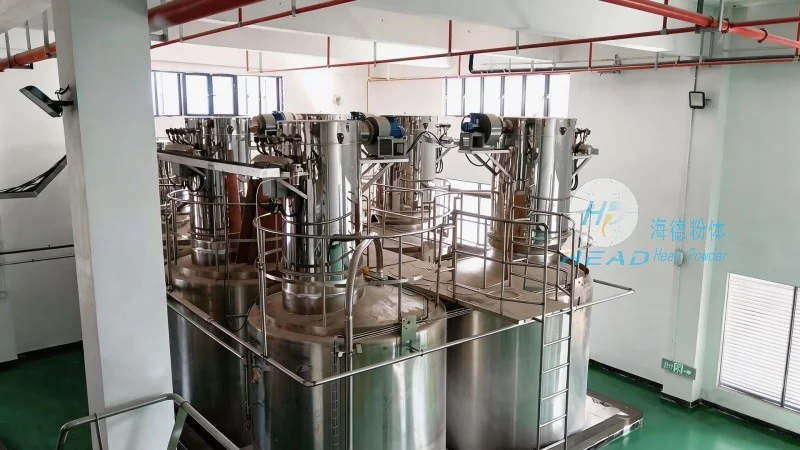
Introduction to Foamed Plastic Powder Pneumatic Conveying Systems
A foamed plastic powder pneumatic conveying system is a specialized industrial solution designed to transport lightweight, low-density foamed plastic powders through a pipeline using air or gas as the conveying medium. Unlike traditional bulk material handling methods, such as screw conveyors or belt conveyors, pneumatic conveying systems utilize the force of air to move powders, making them particularly suitable for handling materials that are difficult to transport via mechanical means. The system typically consists of a hopper for material storage, a conveying line, and a receiver for the discharged material, all integrated with air movers and control mechanisms to regulate the flow and pressure.
Key Components of the System
The effectiveness of a foamed plastic powder pneumatic conveying system relies on several critical components, each playing a specific role in the material transport process. The primary components include:
1. Hopper and Feeder: The hopper serves as the storage vessel for the foamed plastic powder, ensuring a consistent feed rate to the conveying line. The feeder, often a rotary valve or a screw feeder, regulates the amount of material discharged into the pipeline, preventing overloading and maintaining a steady flow. This component is essential for controlling the material feed and preventing blockages or uneven distribution.
2. Air Mover (Pneumatic Device): The air mover, such as a positive displacement blower or a rotary lobe blower, generates the necessary air pressure and flow rate to move the powder particles through the pipeline. The choice of air mover depends on the material characteristics, conveying distance, and system capacity. For foamed plastic powders, which have low bulk density, a high-volume, low-pressure blower is often preferred to ensure efficient transport without excessive energy consumption.
3. Conveying Line: The pipeline, usually made of stainless steel or other corrosion-resistant materials, forms the path through which the powder and air mixture travels. The line is designed to maintain the required air velocity to keep the powder suspended and prevent settling or clogging. The diameter and length of the pipeline are critical design factors, as they directly impact the system's performance and energy efficiency.
4. Receiver and Discharge Valve: The receiver is the terminal component where the conveyed powder is collected. It is typically equipped with a discharge valve, such as a rotary valve or a gate valve, which controls the release of the material into the next processing stage or storage area. The receiver is designed to minimize dust emissions and ensure a clean, controlled discharge.

Design Principles and Operational Mechanics
The design of a foamed plastic powder pneumatic conveying system is guided by several fundamental principles to optimize performance and ensure reliable operation. The primary design considerations include:
1. Air Velocity and Particle Suspension: The air velocity within the conveying line must be sufficient to keep the foamed plastic particles suspended and prevent them from settling or depositing on the pipe walls. This is typically achieved by maintaining an air velocity of 20-30 meters per second for fine powders, ensuring that the particles remain in a fluidized state throughout the transport process.
2. Pressure and Flow Rate Control: Precise control of the air pressure and flow rate is essential to maintain consistent material transport. The system incorporates pressure sensors and flow meters to monitor and adjust the air supply, ensuring that the conveying rate matches the material feed rate. This prevents under-conveying (insufficient air flow) or over-conveying (excessive air flow), which can lead to energy waste or material degradation.
3. Material Characteristics: The design must account for the specific properties of the foamed plastic powder, including its bulk density, particle size distribution, and moisture content. For example, powders with higher moisture content may require additional drying steps or specialized materials to prevent caking or corrosion in the system components. The system's design also considers the material's abrasiveness and potential for dust generation, ensuring that the components are constructed from durable, corrosion-resistant materials.
4. System Sizing and Capacity: The overall system size and capacity are determined based on the required conveying rate, distance, and material characteristics. Engineers use computational fluid dynamics (CFD) and empirical formulas to calculate the optimal pipeline diameter, air mover capacity, and pressure drop across the system. This ensures that the system operates efficiently and within the specified performance parameters.
Benefits and Applications
Foamed plastic powder pneumatic conveying systems offer several advantages over traditional material handling methods, making them ideal for various industrial applications. The key benefits include:

1. Efficient Material Transport: By using air as the conveying medium, the system can transport foamed plastic powders over long distances with minimal energy consumption, compared to mechanical conveyors that require continuous mechanical force.
2. Low Maintenance and Reduced Downtime: Pneumatic conveying systems have fewer moving parts compared to mechanical conveyors, reducing the risk of mechanical failure and minimizing maintenance requirements. This leads to lower operational costs and increased system reliability.
3. Hygienic and Clean Operation: The enclosed pipeline design prevents dust contamination and ensures a clean working environment, which is particularly important for food-grade or pharmaceutical applications where material purity is critical.
4. Flexibility and Scalability: The system can be easily scaled up or down to accommodate changes in production volume or material type. It can also be integrated with other processing equipment, such as mixers or dryers, to form a complete production line.
Applications of foamed plastic powder pneumatic conveying systems include the manufacturing of foamed plastic products, such as insulation materials, packaging foams, and automotive components. These systems are also used in the processing of plastic resins and additives, where efficient and clean material transport is essential for maintaining product quality.
Conclusion
A foamed plastic powder pneumatic conveying system is a sophisticated industrial solution that leverages pneumatic principles to efficiently transport lightweight, low-density materials. The design of such a system involves careful consideration of material properties, operational parameters, and system components to ensure optimal performance. By understanding the design principles and operational mechanics, industries can select and implement the most suitable pneumatic conveying system for their specific needs, enhancing productivity and maintaining product quality.