

What is a Wood Chip Material Conveying Line? And What Are Its Design Principles?
Wood chip material conveying lines are critical systems in industrial settings, particularly in the wood processing and biomass energy sectors. These lines are engineered to efficiently transport wood chips from one point to another, ensuring smooth and continuous operation. Understanding the components and design principles of such systems is essential for optimizing performance and maintaining operational efficiency.

Key Components of a Wood Chip Material Conveying Line
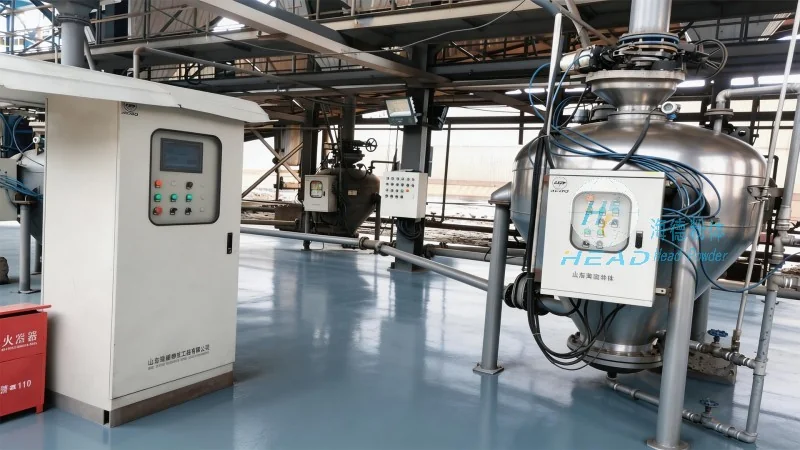
A typical wood chip material conveying line comprises several essential components that work in unison to facilitate the movement of wood chips. The primary components include feeders, conveyors, and control systems. Feeders are responsible for uniformly supplying wood chips into the conveying system, ensuring a consistent flow rate. Conveyors, such as belt conveyors or screw conveyors, then transport the wood chips through the system. Control systems monitor and regulate the operation of the conveying line, adjusting speed and flow as needed to maintain optimal performance.
Design Principles for Efficient Conveying
The design of a wood chip material conveying line is based on several fundamental principles to ensure durability, efficiency, and safety. One key principle is the selection of appropriate materials for the components, as wood chips can be abrasive and may cause wear on the conveying equipment. High-quality materials, such as stainless steel or specialized coatings, are often used to minimize wear and extend the lifespan of the system. Another principle is the consideration of the wood chip characteristics, including size, moisture content, and density. The design must accommodate these variations to prevent blockages or uneven flow. Additionally, the conveying line is designed to handle the specific load and flow rates required by the application, ensuring that the system can meet the demands of the process without overloading or underperforming.

Operational Efficiency and Maintenance Practices
Efficient operation of a wood chip material conveying line is crucial for maximizing productivity and minimizing downtime. Proper maintenance is essential to ensure the longevity and reliability of the system. Regular inspections of the conveyor components, such as belts, screws, and bearings, are necessary to identify and address any issues before they become major problems. Lubrication of moving parts and cleaning of the system to remove debris are also important maintenance tasks. By adhering to a regular maintenance schedule, operators can ensure that the conveying line operates at peak efficiency, reducing the risk of breakdowns and increasing overall productivity.
Applications Across Industries
Wood chip material conveying lines are widely utilized in various industries, including the pulp and paper industry, biomass power generation, and wood processing facilities. In the pulp and paper industry, these lines transport wood chips to the pulping process, where they are converted into pulp. In biomass power generation, the conveying lines deliver wood chips to the combustion chamber of a boiler, providing fuel for energy production. In wood processing facilities, the lines transport wood chips to the drying or processing equipment, ensuring a continuous supply of raw material. The versatility of these systems makes them suitable for a wide range of applications, making them an essential part of modern industrial operations.
Conclusion and Company Expertise
In conclusion, wood chip material conveying lines are sophisticated systems that play a vital role in the efficient processing of wood chips. The design principles, components, and operational considerations outlined above highlight the importance of a well-designed and maintained conveying line. By understanding these aspects, industrial operators can optimize their systems for maximum performance and reliability. Companies like Shandong HeadPowder Engineering Co., Ltd., based in Shandong, China, specialize in the design, manufacturing, and implementation of such systems, providing tailored solutions to meet the specific needs of their clients and contribute to the success of their operations.