

What is a Wheat Flour Material Handling System? What are its Design Principles?
Wheat flour material handling systems are essential in the food processing industry, particularly for managing the flow of wheat flour from storage to production lines. These systems are designed to ensure efficient, safe, and consistent transport of flour, which is critical for maintaining product quality and operational efficiency.

Introduction to Wheat Flour Material Handling Systems
Wheat flour material handling systems are specialized equipment and processes used to move, store, and control the flow of wheat flour within a manufacturing facility. The primary goal of these systems is to facilitate smooth operations by minimizing downtime, reducing material loss, and ensuring that flour is handled in a hygienic manner, which is paramount in food production. For companies operating in the flour milling industry, such as Shandong HeadPowder Engineering Co., Ltd., investing in an effective material handling system is a strategic decision that impacts overall productivity and product safety.

Key Components of a Wheat Flour Material Handling System
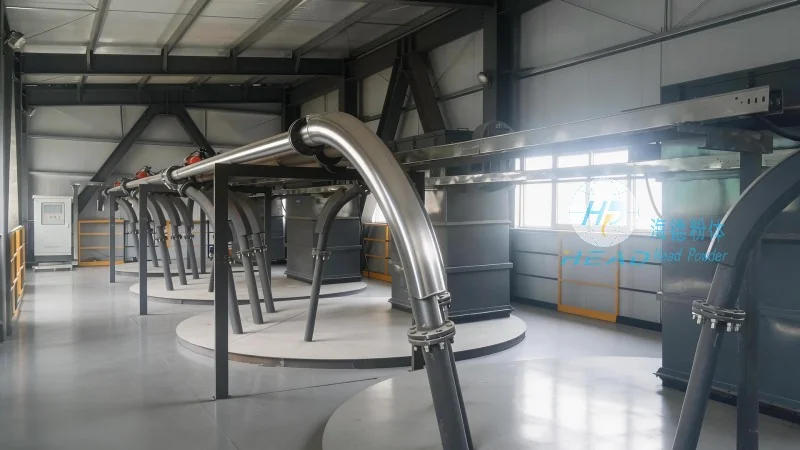
The core components of a wheat flour material handling system typically include storage silos, conveyors, pneumatic systems, and control panels. Storage silos are used to store large quantities of wheat flour, providing a stable and secure environment that prevents contamination and moisture absorption. Conveyors, such as belt conveyors or screw conveyors, are employed to transport flour between different stages of the production process. Pneumatic systems, which use air pressure to move flour through pipes, are particularly effective for handling fine powders like wheat flour, as they minimize dust and ensure gentle handling. Control panels are integrated to monitor and regulate the flow of flour, ensuring that the system operates within optimal parameters.

Design Principles for Efficient Wheat Flour Transport
The design of a wheat flour material handling system follows several key principles to ensure efficiency and reliability. First, the system must be designed to minimize the risk of dust generation and contamination. This is achieved through the use of sealed containers, enclosed conveyors, and proper ventilation systems. Second, the system should be scalable to accommodate varying production volumes, allowing for flexibility as the business grows. Third, energy efficiency is a critical consideration, as the operation of conveyors and pneumatic systems can be energy-intensive. Shandong HeadPowder Engineering Co., Ltd. emphasizes these principles in their design, ensuring that their systems are not only effective but also sustainable and cost-efficient for their clients.
Application of Wheat Flour Material Handling Systems in the Industry
Wheat flour material handling systems are widely used in various applications within the flour milling industry. For example, in large-scale flour mills, these systems are used to transport flour from the grinding stage to packaging lines. In bakeries and food manufacturers, the systems ensure that flour is delivered to production areas in a controlled manner, reducing the risk of spills or cross-contamination. The systems are also crucial in quality control processes, as they allow for the precise measurement and distribution of flour for different product batches. By implementing an effective material handling system, companies like Shandong HeadPowder Engineering Co., Ltd. can enhance their operational capabilities and meet the high standards required in the food industry.
Conclusion
In conclusion, wheat flour material handling systems are vital for the efficient and safe operation of flour milling and food processing facilities. The design principles and components of these systems are carefully engineered to meet the specific needs of the industry, ensuring that wheat flour is handled with precision and care. Companies such as Shandong HeadPowder Engineering Co., Ltd. play a key role in providing these systems, contributing to the overall success and sustainability of the flour industry. By investing in a well-designed material handling system, businesses can improve their productivity, maintain product quality, and stay competitive in the market.