

What is a Fine Powder Bulk Material Conveyor? And What Are Its Design Principles?
When it comes to handling fine powders in industrial settings, the choice of equipment can significantly impact efficiency, safety, and overall operational performance. A fine powder bulk material conveyor, often referred to as a fine powder conveyor, is a specialized system engineered to transport dry, powdery materials with precision and reliability. These systems are essential in industries such as pharmaceuticals, food processing, chemical manufacturing, and more, where the handling of fine powders requires careful consideration of material properties and process requirements.

Key Features of Fine Powder Conveyors
At the core of a fine powder bulk material conveyor is its ability to handle materials that are prone to caking, bridging, or dusting. The design incorporates several key features to address these challenges. For instance, many fine powder conveyors utilize a screw or auger mechanism, which provides gentle material handling and prevents particle degradation. The screw is typically made of corrosion-resistant materials like stainless steel to ensure durability and hygiene, especially in food and pharmaceutical applications. Additionally, the conveyor may include a hopper or feeder that ensures a consistent flow of material, reducing the risk of blockages or uneven feeding.
Design Principles Behind Fine Powder Conveyors
The design principles of a fine powder bulk material conveyor are centered on optimizing material flow, minimizing material degradation, and ensuring operational safety. One of the primary design considerations is the material's particle size and density. Fine powders often have small particle sizes, which can lead to issues like dust generation and caking. To mitigate these, the conveyor's components are designed with smooth surfaces and rounded edges to prevent material buildup and reduce friction. The screw pitch and diameter are carefully selected to maintain a balance between conveying efficiency and material agitation, preventing over-agitation that could cause particle breakdown or degradation.

How Fine Powder Conveyors Work
The operation of a fine powder bulk material conveyor typically involves a screw or auger that rotates within a housing. As the screw rotates, it pushes the material forward through the conveyor. The design may include a variable speed motor to adjust the conveying rate based on the material's properties and the required output. The housing is often equipped with a discharge port at the end, allowing the material to be released into the next stage of the process. Some systems also incorporate a dust collection system or a sealing mechanism to prevent dust emissions and maintain a clean working environment.
Applications and Industries
Fine powder bulk material conveyors are widely used across various industries due to their adaptability and efficiency. In the pharmaceutical industry, they are used to transport active pharmaceutical ingredients (APIs) and excipients with high precision, ensuring that the material remains pure and free from contamination. In food processing, they handle ingredients like flour, sugar, and spices, maintaining product quality and safety standards. The chemical industry utilizes these conveyors for transporting fine chemicals, powders, and additives, where consistent flow and minimal degradation are critical. Additionally, in the agricultural sector, fine powder conveyors can be used for handling fertilizers and other agricultural powders, supporting efficient farming operations.
Advantages of Using Fine Powder Conveyors
Implementing a fine powder bulk material conveyor offers several advantages over traditional methods of material handling. Firstly, it provides a continuous and controlled flow of material, reducing the need for manual intervention and improving process reliability. The gentle handling of materials minimizes degradation, preserving the quality and properties of the powder. This is particularly important in industries where material quality directly impacts product performance, such as in pharmaceuticals or food processing. Additionally, fine powder conveyors are designed to be compact and space-efficient, making them suitable for installations with limited space. They also offer better dust control compared to other methods, contributing to a safer and cleaner working environment.
Customization and Integration
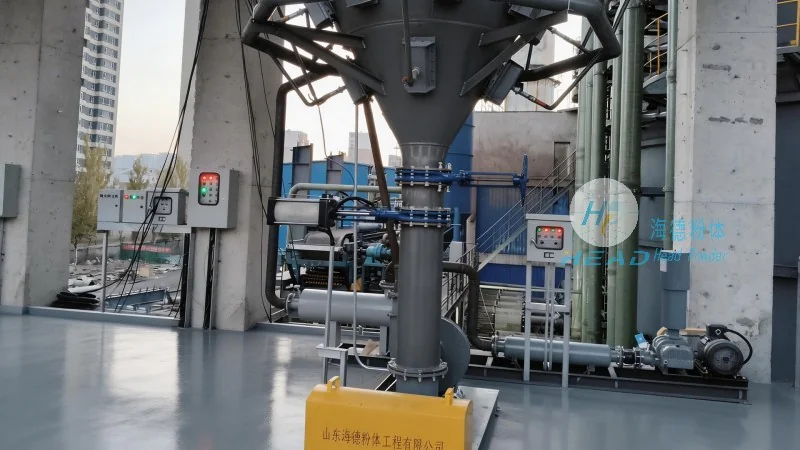
Many manufacturers, such as Shandong HeadPowder Engineering Co., Ltd., offer customized fine powder bulk material conveyors tailored to specific customer needs. These systems can be designed with different screw configurations, housing materials, and speed controls to accommodate various material types and process requirements. Integration with existing systems is also a key consideration, as fine powder conveyors can be easily connected to other equipment like mixers, classifiers, or packaging machines. This flexibility allows for seamless integration into existing production lines, minimizing downtime and ensuring smooth operation.
Maintenance and Durability
To ensure long-term performance and reliability, proper maintenance of a fine powder bulk material conveyor is essential. Regular inspection of the screw and housing for wear and tear is crucial, as these components are subject to continuous material contact. The use of high-quality materials, such as stainless steel, enhances durability and resistance to corrosion and wear. Additionally, manufacturers often provide maintenance guidelines and spare parts to support ongoing operation. By adhering to these guidelines, users can maximize the lifespan of their conveyor and maintain consistent performance over time.