

What is a Sodium Phosphate Powder Conveying Line? And What Are Its Design Principles?
Understanding the Sodium Phosphate Powder Conveying Line and Its Design Principles
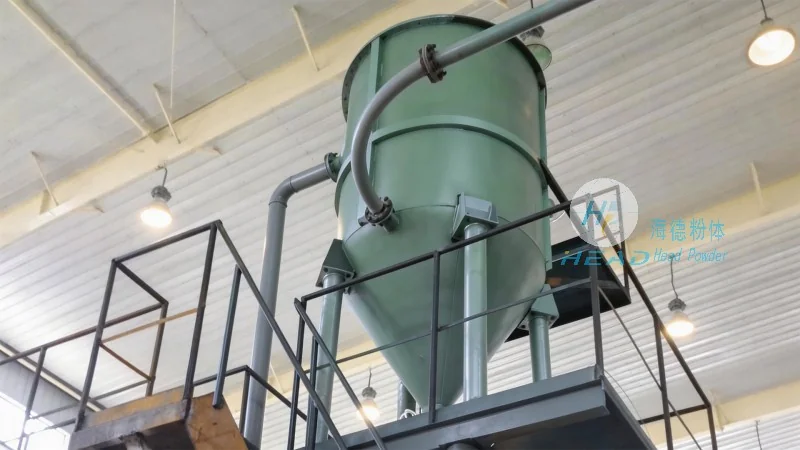
Introduction to the Sodium Phosphate Powder Conveying Line
The sodium phosphate powder conveying line is a specialized system engineered for the efficient handling, transportation, and processing of sodium phosphate powders. This type of equipment is crucial in various industrial applications where the reliable and safe movement of bulk powders is essential. The system integrates multiple components, including feeders, conveyors, and control mechanisms, to ensure optimal performance and minimal material loss during operation.
Key Components of the Conveying Line
At the core of the sodium phosphate powder conveying line are several critical components that work in tandem to facilitate smooth material flow. The first component is the material feeder, which is responsible for uniformly feeding the sodium phosphate powder into the conveyor system. This feeder can be designed as a rotary valve or a screw feeder, depending on the specific requirements of the application. The feeder ensures that the powder is introduced at a consistent rate, preventing blockages and maintaining the integrity of the material.
Next, the conveyor system itself is a vital part of the line. Common types used in such applications include pneumatic conveyors, screw conveyors, and bucket elevators. Pneumatic conveyors utilize air pressure to move the powder through a pipeline, while screw conveyors use rotating screws to push the material forward. The choice of conveyor type depends on factors such as the powder's properties, the distance to be covered, and the desired flow rate. For sodium phosphate powders, which are often fine and can be prone to dust, a well-designed conveyor with appropriate sealing and filtration is essential to maintain air quality and prevent contamination.

Additionally, the conveying line includes control and monitoring systems to ensure operational efficiency and safety. These systems may include sensors to detect material levels, pressure sensors to monitor air flow in pneumatic systems, and control panels to regulate the speed and direction of the conveyor. The integration of these components allows for real-time adjustments, ensuring that the system operates within optimal parameters and responds to any changes in the material flow or process conditions.
Design Principles for the Conveying Line
The design of a sodium phosphate powder conveying line is guided by several key principles aimed at maximizing efficiency, safety, and durability. The first principle is the consideration of the material's physical properties. Sodium phosphate powders are typically fine, hygroscopic, and can be abrasive, which means the conveying system must be constructed from materials that are resistant to corrosion and wear. Stainless steel is commonly used for the internal components of the conveyor and feeder to prevent material adhesion and maintain hygiene, especially in food or pharmaceutical applications.
Another critical design principle is the prevention of material degradation and contamination. The conveying line is designed with sealed components and appropriate filtration to minimize dust generation and exposure to the environment. This is particularly important for sodium phosphate powders, which can be sensitive to moisture and air, as exposure can lead to caking or changes in the material's properties. The system may also include dust collection and filtration systems to ensure that the air leaving the conveyor is clean and meets environmental regulations.

Efficiency and energy conservation are also key design considerations. The conveying line is engineered to minimize energy consumption while maintaining the required flow rate. This may involve optimizing the conveyor speed, using variable frequency drives to adjust the speed based on the material load, and selecting the most efficient type of conveyor for the application. The design also focuses on reducing material loss and ensuring that the system operates with high throughput, which is essential for industrial production processes.
Applications and Benefits of the Conveying Line
The sodium phosphate powder conveying line finds applications in various industries, including chemical manufacturing, food processing, and pharmaceuticals. In chemical plants, it is used to transport raw materials and finished products, ensuring a continuous and safe production process. In food processing, the line is crucial for handling sodium phosphate as an ingredient in products such as baked goods and beverages, where consistent quality and hygiene are paramount. In the pharmaceutical industry, the conveying line is used to transport raw materials and intermediates, maintaining the high standards of purity and safety required for drug production.

The benefits of using a well-designed sodium phosphate powder conveying line are significant. It improves operational efficiency by reducing downtime and material loss, leading to cost savings for the manufacturer. The system also enhances safety by minimizing the risk of dust explosions and exposure to hazardous materials. Additionally, the consistent flow of material ensures that production processes run smoothly, meeting quality standards and regulatory requirements. The durability of the equipment, with proper maintenance, ensures a long service life, providing a reliable solution for bulk powder handling.
Conclusion
In conclusion, the sodium phosphate powder conveying line is a sophisticated system designed to handle the unique challenges of transporting sodium phosphate powders efficiently and safely. By integrating specialized components and adhering to key design principles, this equipment ensures optimal performance in various industrial applications. The system's ability to maintain material integrity, control dust, and operate with high efficiency makes it an essential part of modern bulk material handling processes. As industries continue to demand reliable and safe handling of powders, the sodium phosphate powder conveying line remains a critical solution for manufacturers seeking to enhance their production capabilities.
Shandong HeadPowder Engineering Co., Ltd. specializes in the design and manufacturing of such advanced powder conveying systems, providing tailored solutions to meet the specific needs of clients in various industries. With a focus on quality, efficiency, and safety, HeadPowder Engineering Co., Ltd. offers reliable equipment that contributes to the success of industrial operations worldwide.