

Ammonia Fertilizer Powder Conveying Line: What It Is and Its Design Principles
Ammonia fertilizer powder conveying lines are essential systems used in the agricultural and chemical industries to transport ammonia-based fertilizer powders efficiently and safely. These systems are crucial for ensuring the reliable movement of bulk ammonia fertilizer from storage to processing or application points. The design of such lines involves careful consideration of material properties, operational conditions, and safety regulations to meet industry standards.

Introduction to Ammonia Fertilizer Powder Conveying Lines
Ammonia fertilizer powder conveying lines, also known as pneumatic conveying systems for ammonia-based fertilizers, are engineered to handle the unique characteristics of ammonia fertilizer powders. These powders are typically fine, abrasive, and can be corrosive under certain conditions. The conveying line must be constructed from materials that are resistant to corrosion and wear, such as stainless steel or specialized alloys, to ensure durability and longevity. The system is designed to maintain the integrity of the fertilizer, preventing caking, agglomeration, or degradation during transport.
Key Components of an Ammonia Fertilizer Powder Conveying Line
The core components of an ammonia fertilizer powder conveying line include the hopper, feeder, conveying pipe, and control system. The hopper is used to store the ammonia fertilizer powder and provides a consistent feed to the feeder. The feeder, often a rotary valve or a screw feeder, regulates the flow of powder into the conveying line, ensuring a steady and controlled discharge. The conveying pipe, typically made of stainless steel or plastic, transports the powder through the system. The control system monitors and adjusts the flow rate, pressure, and other parameters to maintain optimal operation. Additionally, the system may include filters, cyclones, and dust collectors to manage dust and ensure environmental compliance.

Design Principles for Ammonia Fertilizer Powder Conveying Lines
The design principles for ammonia fertilizer powder conveying lines focus on efficiency, safety, and reliability. One key principle is the selection of appropriate materials to resist corrosion and wear from the ammonia fertilizer. Stainless steel is commonly used for components that come into direct contact with the powder, as it provides excellent resistance to chemical attack. The system is also designed to minimize friction and wear, using smooth surfaces and appropriate pipe diameters to reduce energy consumption and extend the life of the equipment. Another important principle is the control of pressure and flow. The conveying line operates under positive or negative pressure, depending on the specific design, to ensure the powder moves efficiently without clogging or excessive energy use. The control system uses sensors and actuators to adjust the pressure and flow in real-time, responding to changes in feed rate or system conditions.
Operational Considerations and Safety Measures
Operational considerations for ammonia fertilizer powder conveying lines include regular maintenance and monitoring to prevent system failures. This includes checking for leaks, ensuring proper lubrication of moving parts, and cleaning the system to remove accumulated powder. Safety measures are critical due to the hazardous nature of ammonia fertilizer. The system is equipped with safety valves, pressure relief devices, and emergency shut-off mechanisms to prevent over-pressurization or other dangerous conditions. Additionally, the conveying line is often enclosed to contain dust and prevent exposure to workers. Proper ventilation and dust collection systems are installed to maintain a safe working environment. Regular inspections and maintenance by qualified personnel are essential to ensure the system operates safely and efficiently.
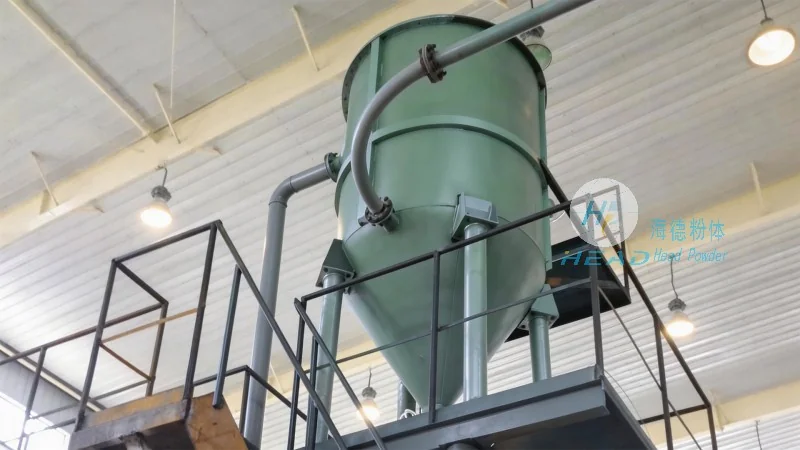
Applications and Benefits of Ammonia Fertilizer Powder Conveying Lines
Ammonia fertilizer powder conveying lines are used in various applications within the agricultural and chemical industries. They are commonly employed in fertilizer production facilities to transport ammonia fertilizer from storage silos to processing units, such as granulation or blending plants. The system also facilitates the transport of fertilizer to storage tanks or loading stations for distribution to farms or other users. The benefits of using such systems include improved efficiency in material handling, reduced labor costs, and enhanced safety due to enclosed and automated operation. Additionally, the system minimizes product loss and contamination, ensuring the quality of the ammonia fertilizer is maintained throughout the conveying process.
Conclusion
Ammonia fertilizer powder conveying lines are sophisticated systems that play a vital role in the efficient and safe handling of ammonia-based fertilizers. The design principles, components, and operational considerations ensure that these systems meet the demands of the agricultural and chemical industries. By adhering to strict material selection, pressure control, and safety measures, these lines provide reliable transport of ammonia fertilizer, supporting the production and distribution of essential agricultural inputs. The expertise of companies like Shandong HeadPowder Engineering Co., Ltd., based in China, is crucial in designing and implementing such systems to meet the needs of modern fertilizer production and application.