

Automatic Material Feeding and Conveying Line: What It Is and Its Design Principles
When it comes to modern industrial production, the efficiency and reliability of material handling systems are critical to overall operational success. Among the various solutions available, the automatic material feeding and conveying line stands out as a sophisticated and essential component for many manufacturing processes. This system is designed to automate the entire workflow of material handling, from initial feeding to final transport, ensuring seamless integration and minimal human intervention. In this article, we will explore what an automatic material feeding and conveying line is and delve into its core design principles, providing a comprehensive understanding of this vital technology.

Understanding the Automatic Material Feeding and Conveying Line
An automatic material feeding and conveying line is a highly integrated system engineered to handle the movement and processing of raw materials or components within an industrial setting. Unlike traditional manual or semi-automatic systems, this line operates with precision and consistency, leveraging advanced automation technologies such as sensors, control systems, and mechanical components. The primary goal of this system is to streamline material flow, reduce labor costs, and enhance production throughput while maintaining high standards of quality and safety. By automating the feeding and conveying processes, manufacturers can achieve greater productivity and flexibility in their operations.

Key Design Principles of the Automatic Material Feeding and Conveying Line
The design of an automatic material feeding and conveying line is built upon several fundamental principles that ensure its effectiveness and adaptability. These principles include modularity, which allows for flexible configurations to accommodate different material types and production requirements; integration, enabling seamless coordination with other production equipment; and reliability, ensuring consistent performance under varying operational conditions. Additionally, the system is designed with safety in mind, incorporating features like emergency stop mechanisms and safety sensors to protect both personnel and equipment. The control system, typically a programmable logic controller (PLC), plays a crucial role in managing the entire operation, allowing for real-time monitoring and adjustments to maintain optimal performance.
Components and Functionalities of the System
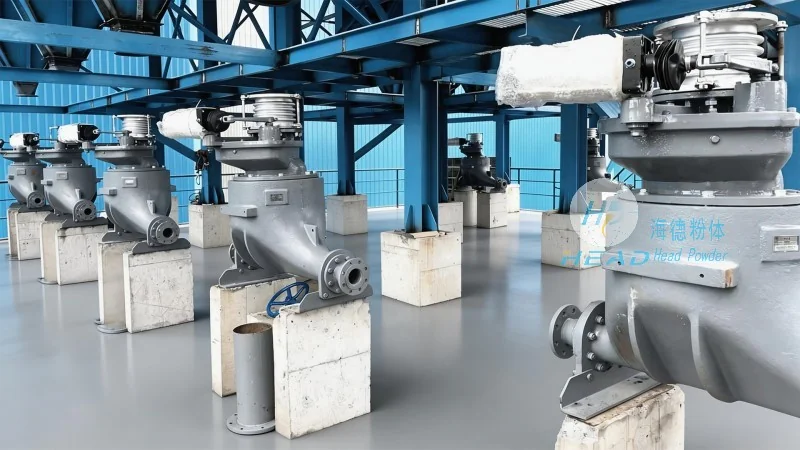
The automatic material feeding and conveying line consists of several key components that work in harmony to achieve its objectives. These components include feeding mechanisms, such as hoppers or vibratory feeders, which introduce materials into the system; conveying equipment, like belt conveyors, chain conveyors, or screw conveyors, which transport materials to the next stage; and sorting or processing units, which may include screens, classifiers, or other processing equipment. Each component is carefully selected and integrated to ensure smooth material flow and minimal downtime. The system also features sensors and detectors that monitor the material level, position, and quality, providing feedback to the control system for adjustments. This closed-loop control ensures that the system operates efficiently and responds to changes in production demand.
Applications and Benefits in Industrial Production
The automatic material feeding and conveying line finds wide applications across various industries, including food processing, pharmaceuticals, chemicals, and manufacturing. Its versatility allows it to handle a broad range of materials, from powders and granules to bulk solids and even small parts. The benefits of implementing such a system are significant, including increased production efficiency, reduced labor costs, improved product quality, and enhanced safety. By automating material handling, manufacturers can achieve higher throughput and better control over their production processes, leading to improved competitiveness in the market. Furthermore, the system's modular design allows for easy expansion or modification as production needs evolve, providing long-term value and adaptability.

About Shandong HeadPowder Engineering Co., Ltd.
Shandong HeadPowder Engineering Co., Ltd., commonly known as HeadPowder, is a leading manufacturer and supplier of advanced material handling solutions. With a strong commitment to innovation and quality, HeadPowder specializes in designing and manufacturing automatic material feeding and conveying lines tailored to the specific needs of its clients. The company's headquarters is located in Shandong, China, where it leverages its expertise and state-of-the-art facilities to develop cutting-edge solutions. HeadPowder's team of experienced engineers and technicians works closely with clients to understand their production challenges and provide customized solutions that enhance operational efficiency and productivity. By focusing on customer satisfaction and technological advancement, HeadPowder has established itself as a trusted partner in the industrial automation sector.