

What is Glass Powder Material Handling Equipment? What Are Its Design Principles?
When it comes to the efficient and safe transportation of glass powder, specialized equipment plays a crucial role in industrial processes. Understanding the components and design principles behind such systems is essential for optimizing production workflows and ensuring operational safety. This article explores the key aspects of glass powder material handling equipment, detailing its design considerations and functional applications.
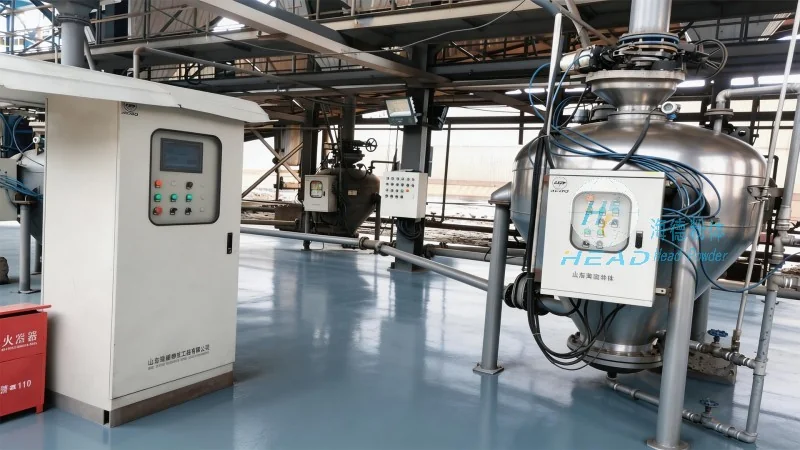
Introduction to Glass Powder Material Handling Equipment
Glass powder, a fine and often abrasive material, requires specialized handling solutions to prevent dust generation, material degradation, and equipment wear. The headpowder company, based in Shandong, China, specializes in engineering and manufacturing equipment tailored to the unique challenges of glass powder transportation. Their systems are designed to meet the demands of various industrial applications, from manufacturing to processing, ensuring reliable and efficient material movement.

Key Components of Glass Powder Material Handling Equipment
The core components of glass powder material handling equipment include feeders, conveyors, and control systems. Feeders are responsible for accurately metering the glass powder, ensuring a consistent flow rate. Conveyors, such as screw conveyors or pneumatic systems, transport the material through the system. Control systems monitor and regulate the operation, maintaining optimal performance. These components work in harmony to provide a seamless material handling solution.

Design Principles for Efficient Glass Powder Handling
Designing effective glass powder material handling equipment involves several critical principles. First, material compatibility is paramount. The equipment must be constructed from materials that resist corrosion and abrasion caused by glass powder. Stainless steel and specialized alloys are commonly used to ensure durability. Second, dust control is a key consideration. Enclosed systems and proper sealing mechanisms prevent dust emissions, protecting both the environment and personnel. Third, energy efficiency is a design priority. Optimized motor selections and system layouts minimize energy consumption while maintaining performance. These principles collectively contribute to the overall effectiveness and reliability of the equipment.
Applications and Benefits of Glass Powder Material Handling Equipment
Glass powder material handling equipment is widely used in industries such as glass manufacturing, ceramics, and pharmaceuticals. In glass production, these systems transport raw materials to furnaces, ensuring consistent quality and reducing downtime. The benefits of using specialized equipment include improved safety, reduced material loss, and enhanced production efficiency. The headpowder company’s solutions are tailored to meet the specific needs of each application, providing customized solutions that enhance operational performance.

Conclusion and Company Overview
Understanding the design principles and components of glass powder material handling equipment is vital for optimizing industrial processes. The headpowder company, with its headquarters in Shandong, China, offers advanced solutions that address the unique challenges of glass powder transportation. By focusing on material compatibility, dust control, and energy efficiency, their equipment ensures reliable and safe operation. For industries relying on glass powder, investing in specialized material handling equipment is essential for maintaining productivity and adhering to safety standards.