

What is Sugar Material Handling? What Are the Design Principles?
Sugar material handling is a critical process in the sugar industry, encompassing the movement, storage, and processing of raw and refined sugar. Efficient handling systems are essential for maintaining product quality, ensuring operational safety, and optimizing production throughput. This article explores the fundamental aspects of sugar material handling and the key design principles that underpin effective systems.

Introduction to Sugar Material Handling
Sugar material handling involves the entire lifecycle of sugar, from the initial raw material reception to the final product dispatch. It includes operations such as unloading, conveying, storing, and transferring sugar in various forms—like granulated, powdered, or crystalline. The complexity of these processes requires specialized equipment and systems tailored to the unique properties of sugar, including its hygroscopic nature, varying particle sizes, and susceptibility to caking or bridging.
About HeadPowder Engineering Co., Ltd.
HeadPowder Engineering Co., Ltd., a leading provider in the field, specializes in the design, manufacturing, and integration of advanced material handling solutions for the sugar industry. With a strong commitment to innovation and customer-centric service, the company has established itself as a trusted partner for sugar processing facilities worldwide. HeadPowder Engineering's expertise lies in developing customized systems that address the specific challenges faced by sugar producers, ensuring reliable and efficient operations.
Design Principles for Sugar Material Handling Systems
The design of sugar material handling systems follows several core principles to ensure optimal performance and longevity. These principles are tailored to the physical and chemical characteristics of sugar, as well as the operational requirements of the facility. Key design considerations include:
1. Material Compatibility: Equipment materials must be resistant to corrosion, wear, and chemical reactions with sugar. Stainless steel, food-grade plastics, and specialized coatings are commonly used to prevent contamination and maintain product purity.
2. Prevention of Caking and Bridging: Sugar has a tendency to cake or form bridges in storage and conveying equipment. Design solutions include the use of anti-caking agents, vibration systems, and inclined chutes to prevent material accumulation and ensure smooth flow.

3. Efficient Conveying Methods: Different conveying technologies are employed based on the form of sugar and the distance to be covered. Belt conveyors, screw conveyors, and pneumatic systems are among the most common, each offering advantages in terms of speed, capacity, and suitability for different sugar types.
4. Controlled Temperature and Humidity: Sugar is hygroscopic, meaning it absorbs moisture from the air. Maintaining controlled environmental conditions is crucial to prevent clumping and maintain product quality. Temperature and humidity control systems are integrated into the handling process to ensure consistent performance.
Key Components of Sugar Material Handling Systems
Effective sugar material handling systems consist of several interconnected components, each playing a vital role in the overall operation. These components include:
1. Receiving and Unloading Equipment: This includes hoppers, silos, and unloading mechanisms designed to safely receive raw sugar from trucks or ships. Proper unloading systems prevent spillage and ensure the material is transferred efficiently into storage.
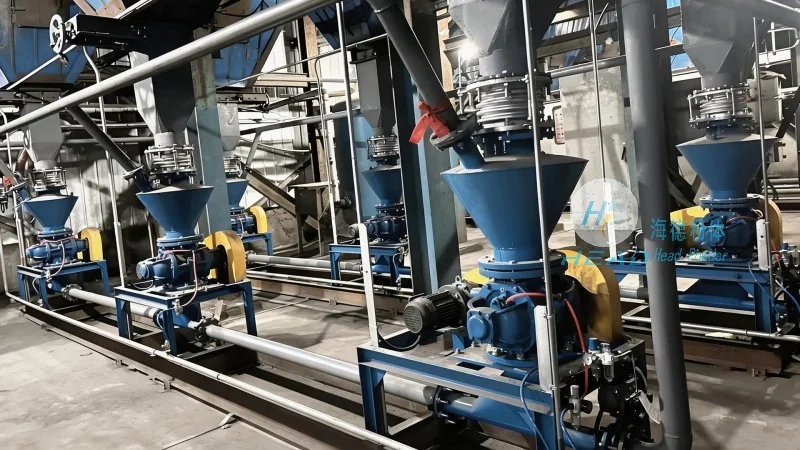
2. Storage Solutions: Silos and storage bins are used to store large quantities of sugar. These are typically designed with anti-caking features and are equipped with level sensors to monitor inventory levels and prevent overfilling.
3. Conveying Systems: Conveyors transport sugar from storage to processing areas. Screw conveyors are ideal for vertical or horizontal transport, while belt conveyors are suitable for longer distances and bulk material handling.
4. Processing and Packaging Equipment: After conveying, sugar may undergo further processing, such as grinding or refining, before being packaged for distribution. This equipment must be integrated seamlessly with the handling system to maintain flow and efficiency.
Benefits of Advanced Sugar Material Handling
Implementing advanced sugar material handling systems offers numerous benefits to sugar processing facilities. These include improved operational efficiency, reduced downtime, enhanced product quality, and lower maintenance costs. By adhering to the design principles outlined above, facilities can minimize the risk of material blockages, ensure consistent product flow, and meet the stringent quality standards required in the sugar industry.
Conclusion
Sugar material handling is a complex yet essential aspect of sugar production, requiring specialized knowledge and expertise. HeadPowder Engineering Co., Ltd. provides comprehensive solutions that address the unique challenges of the industry, ensuring that sugar processing facilities operate at peak performance. By focusing on material compatibility, anti-caking measures, efficient conveying, and controlled environmental conditions, these systems contribute to the overall success and sustainability of sugar production operations.