

What is a Corn Feed Powder Conveying Machine? What is its Design Principle?
Corn feed is a cornerstone of modern livestock and poultry production, providing essential nutrients for animal growth and health. The efficient transportation of corn feed from storage to feeding points is critical for maintaining operational efficiency and ensuring consistent feed quality. This is where corn feed powder conveying machines come into play. These specialized equipment are engineered to handle the bulk movement of corn feed powder, ensuring smooth, reliable, and hygienic transfer in agricultural and feed processing settings.

Understanding Corn Feed Powder Conveying Machines: Design Principles and Applications
A corn feed powder conveying machine is a mechanical system designed to transport corn feed powder from a source, such as a storage silo or hopper, to a destination like a feed mixer or feeding station. The primary objective of these machines is to achieve efficient, low-loss, and high-quality feed transfer. The design of such equipment is tailored to the unique characteristics of corn feed, including its granular structure, moisture content, and potential for dust generation. By addressing these factors, the machines minimize feed degradation during transport.

The Core Design Principles of Corn Feed Powder Conveying Systems
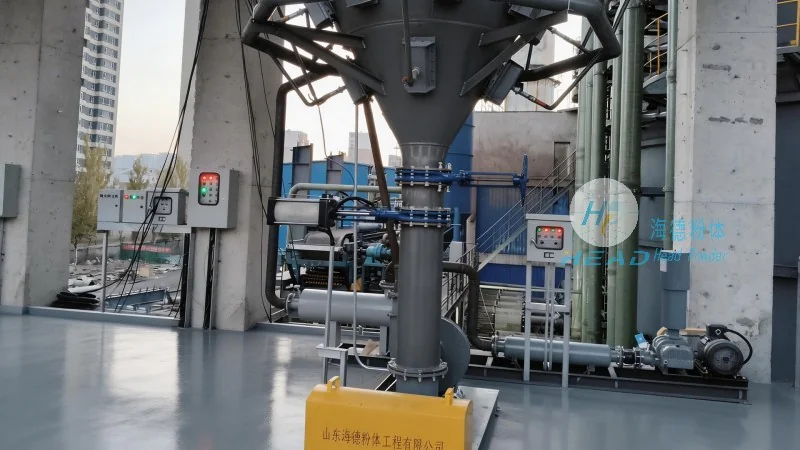
The design of corn feed powder conveying machines is based on several key principles that optimize performance and reliability. One prevalent type is the screw conveyor, which uses a rotating helical screw to move material forward. This design is particularly effective for corn feed due to its ability to handle dry, free-flowing powders without external air pressure. The screw conveyor's design includes a robust housing, a corrosion-resistant screw, and a drive system providing consistent torque. Another principle involves pneumatic or air-assisted conveying systems, which utilize compressed air to transport feed powder through a pipeline. This method is ideal for long-distance or high-volume transport but requires careful management of air pressure, flow rates, and material handling to prevent clogging or degradation.
Key Components and Their Functions in the Machine
Several critical components work in concert to ensure efficient operation of a corn feed powder conveying machine. The feed hopper or inlet is designed to collect and hold corn feed powder before it enters the conveying mechanism. This component often includes a feeding gate or valve to control flow rate and prevent overloading. The conveying mechanism itself—whether a screw or air pipeline—is the system's heart. For screw conveyors, the screw shaft is typically made of stainless steel or other corrosion-resistant materials to withstand the abrasive nature of corn feed. The drive system, usually an electric motor connected to a gearbox, provides necessary rotational speed and torque. Sealing and dust control systems are also integral, preventing feed powder escape and maintaining a clean environment. These components are engineered to operate harmoniously, ensuring smooth, low-maintenance performance.

The Role of Shandong HeadPowder Engineering Co., Ltd.
Shandong HeadPowder Engineering Co., Ltd., a leading manufacturer based in Shandong, China, specializes in designing and producing high-quality corn feed powder conveying machines. With extensive experience in the feed processing industry, the company has developed advanced solutions tailored to agricultural operations. Its facilities are equipped with state-of-the-art technology and skilled engineers focused on optimizing conveying system design principles. By adhering to rigorous quality standards and continuous innovation, Shandong HeadPowder Engineering Co., Ltd. ensures its machines deliver reliable performance, long service life, and cost-effective operation for global customers. The company's commitment to customer satisfaction and technical excellence has established it as a trusted partner in the agricultural machinery sector.