

Metallurgical Coke Powder Conveying Equipment: Exploring Their Function and Design Principles
Metallurgical coke, a critical raw material in the steelmaking process, requires efficient and reliable equipment for its handling and transportation. The metallurgical coke powder conveying equipment plays a pivotal role in ensuring the smooth operation of industrial facilities by managing the movement of this essential material. This article delves into the nature of such equipment and the underlying design principles that enable their effective performance.

HeadPowder, a leading manufacturer based in Shandong, China, specializes in the development and production of advanced conveying systems tailored for metallurgical coke applications. With a strong commitment to quality and innovation, the company has established itself as a trusted partner in the industry, providing solutions that meet the stringent demands of modern steel production.
Understanding Metallurgical Coke Powder Conveying Equipment
Metallurgical coke powder conveying equipment is designed to transport coke powder from storage areas to processing units or other destinations within industrial plants. These systems are engineered to handle the unique characteristics of coke powder, including its fine particle size, abrasive nature, and potential for dust generation. The equipment must ensure minimal product loss, maintain consistent flow rates, and prevent contamination or degradation of the coke powder during transport.
The Core Design Principles of Conveying Systems
The design of metallurgical coke powder conveying equipment is guided by several key principles aimed at optimizing performance and reliability. First, the system must be capable of handling the specific physical properties of coke powder, such as its density, moisture content, and flowability. This involves selecting appropriate materials for the conveyor components to withstand abrasion and corrosion, ensuring long-term durability.

Second, the design emphasizes energy efficiency and operational cost reduction. Advanced conveying technologies, such as pneumatic or mechanical systems, are employed to minimize energy consumption while maintaining high throughput. The integration of variable speed drives and intelligent control systems allows for precise regulation of flow rates, adapting to varying production demands without compromising efficiency.
Third, safety and environmental considerations are integral to the design. The equipment incorporates dust suppression mechanisms, such as enclosed conveyor lines and filtration systems, to mitigate the release of particulate matter into the environment. Additionally, safety features like emergency stop buttons and overload protection are standard, ensuring the protection of operators and the integrity of the system.
Key Components and Their Functions
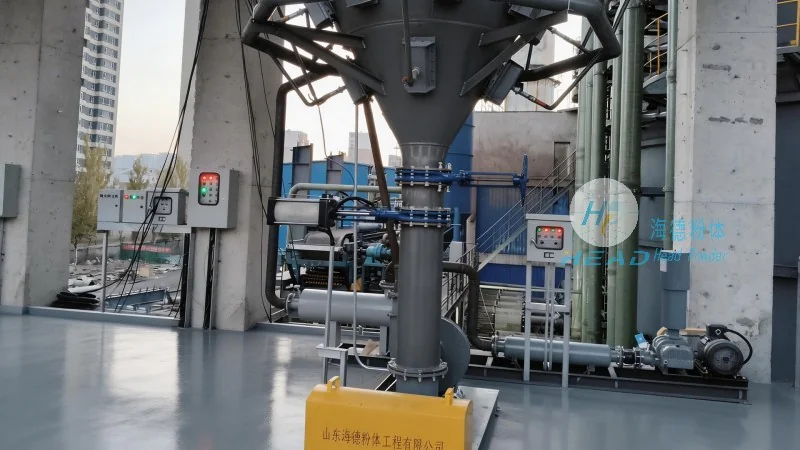
The effectiveness of metallurgical coke powder conveying equipment relies on a combination of specialized components working in harmony. Key elements include the hopper or feed system, which collects and feeds the coke powder into the conveyor; the conveyor itself, which may be pneumatic (using air pressure) or mechanical (such as screw or belt conveyors); and the discharge system, which delivers the material to its destination.

The hopper is designed to minimize material bridging and ensure a consistent feed rate. It often includes features like vibration or air agitation to prevent clogging, which is crucial for maintaining steady operation. The conveyor system, whether pneumatic or mechanical, is selected based on the specific requirements of the application, such as the distance to be covered, the volume of material to be transported, and the need for dust control.
For pneumatic conveying systems, the design involves a pipeline network with air blowers or compressors that create a pressure differential to move the coke powder. The system may include cyclones or filters to separate the powder from the air stream, ensuring that the material is delivered to the target location while the air is safely vented or recycled. Mechanical conveyors, on the other hand, use rotating components like screws or belts to transport the material, offering advantages in terms of lower energy consumption and reduced noise levels.
Advantages of Using Metallurgical Coke Powder Conveying Equipment
Implementing advanced metallurgical coke powder conveying equipment offers numerous benefits to industrial facilities. Firstly, it enhances operational efficiency by reducing downtime caused by material handling issues. The consistent flow of coke powder ensures that processing units receive a steady supply, minimizing production interruptions and improving overall productivity.
Secondly, the equipment contributes to cost savings through reduced material loss and lower maintenance expenses. By preventing clogging and wear, the systems extend the lifespan of components, reducing the frequency of replacements and repairs. Additionally, the energy-efficient design of modern conveying systems helps lower operational costs, making them a financially viable investment for long-term use.
Thirdly, the equipment improves safety and environmental compliance. The enclosed design of the conveying systems minimizes dust exposure for operators, reducing health risks associated with inhalation of fine particles. The dust suppression mechanisms also help meet environmental regulations, ensuring that the facility operates within legal limits and maintains a positive public image.
Conclusion
Metallurgical coke powder conveying equipment is an essential component of modern steel production facilities, enabling the efficient and safe handling of coke powder. The design principles behind these systems focus on optimizing performance, durability, and safety while minimizing operational costs. HeadPowder, with its expertise and commitment to quality, provides reliable solutions that meet the evolving needs of the industry. By investing in advanced conveying equipment, industrial facilities can enhance their productivity, reduce costs, and ensure compliance with environmental and safety standards.