

What is a Cement and Mineral Powder Pneumatic Conveying System? What are its Design Principles?
For industrial applications involving the transport of cement and mineral powders, understanding the technology behind pneumatic conveying systems is crucial. These systems offer an efficient and reliable method for moving bulk materials from one location to another, often with minimal maintenance and operational complexity. This article explores the fundamental aspects of cement and mineral powder pneumatic conveying systems, focusing on their design principles and the key considerations that ensure optimal performance.

Understanding Pneumatic Conveying Systems
Pneumatic conveying systems utilize air or other gases to transport solid materials through a pipeline network. In the context of cement and mineral powders, these systems are specifically engineered to handle fine, dry powders that are typically sensitive to moisture and degradation. The primary goal is to move these materials safely and efficiently, often over long distances or within complex industrial setups. There are two main types of pneumatic conveying systems: dilute phase and dense phase. Dilute phase systems use high-velocity air to suspend the powder particles, while dense phase systems employ lower velocities and higher pressure to push the material through the pipeline.
Key Design Principles for Cement and Mineral Powder Conveying
The design of a cement and mineral powder pneumatic conveying system involves several critical principles that ensure the system operates effectively and reliably. First, the system must be designed to handle the specific properties of the material being conveyed, such as particle size, density, and moisture content. These properties directly impact the air velocity and pressure required for successful transport. For example, finer powders may require higher air velocities to maintain suspension, while coarser materials might need denser phase operation to prevent blockages. Second, the system must consider the distance and layout of the conveying path. The length and complexity of the pipeline will influence the choice of equipment, such as the type of blower or compressor, and the number of in-line components like cyclones or filters. Third, material handling efficiency and system reliability are paramount. This includes designing for minimal pressure drop, which reduces energy consumption and prevents system overload. Additionally, incorporating features like dust collection and material recovery systems is essential to maintain environmental compliance and operational safety.
Components and Functionality of the System
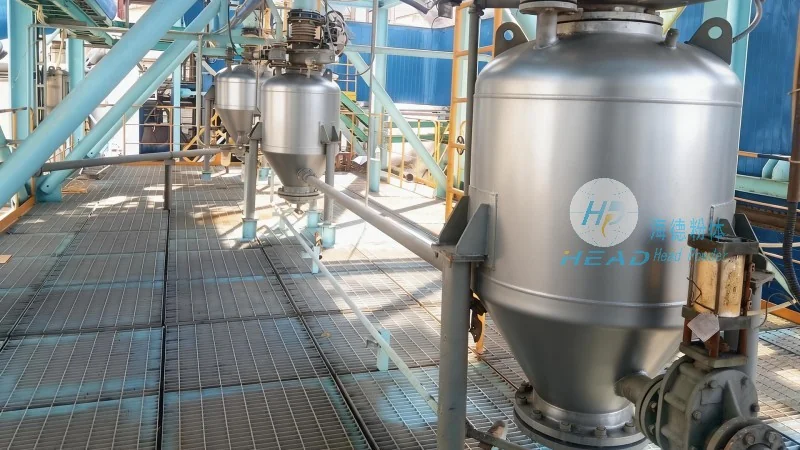
A typical cement and mineral powder pneumatic conveying system consists of several key components, each playing a vital role in the overall operation. The system begins with a material feed hopper or silo, which stores the bulk powder and feeds it into the conveying line. A feeder, often a rotary valve or a screw feeder, controls the flow rate of the material into the pipeline. The heart of the system is the air-moving device, which can be a positive displacement blower or a centrifugal fan. The choice of equipment depends on the required pressure and flow rate, with positive displacement blowers providing higher pressure for dense phase applications. The pipeline itself is typically made of stainless steel or other corrosion-resistant materials to withstand the abrasive nature of the powders and prevent contamination. At the receiving end, the system includes a receiver or silo where the material is deposited. Cyclones or filters are often used to separate the conveyed material from the air stream, ensuring that the material is collected without dust or contamination. Finally, a dust collection system, such as a baghouse or cartridge filter, captures any residual dust, maintaining air quality and compliance with environmental regulations.
Applications and Benefits in Industrial Settings
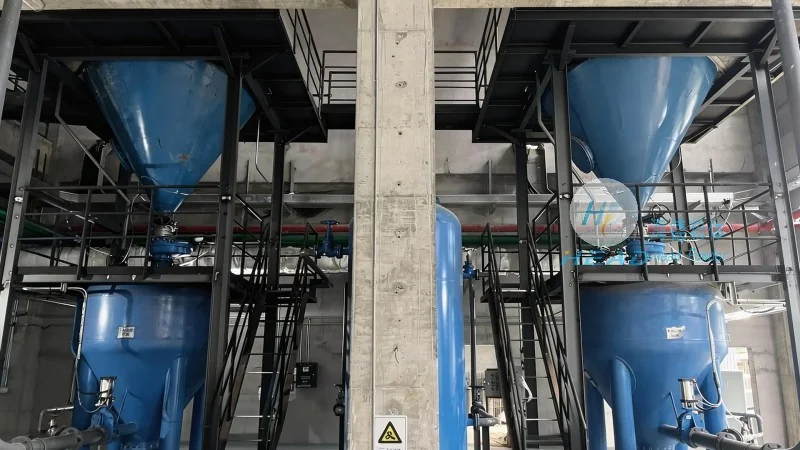
Cement and mineral powder pneumatic conveying systems are widely used in various industrial sectors, including cement manufacturing, mining, and chemical processing. In cement plants, these systems are essential for transporting raw materials like limestone and clay from storage silos to the grinding mills. In mining operations, they are used to move mineral powders from processing facilities to storage or for further processing. The benefits of using pneumatic conveying systems in these applications are significant. They offer a cost-effective solution compared to traditional methods like belt conveyors or trucks, as they require less space and can be installed in complex layouts. Additionally, they provide a cleaner and more hygienic operation, reducing dust exposure and improving workplace safety. The systems also contribute to energy efficiency by minimizing material handling time and reducing the need for manual labor. Furthermore, their ability to handle fine powders without degradation makes them ideal for applications where material quality is critical.
Conclusion and Company Overview
In conclusion, cement and mineral powder pneumatic conveying systems are sophisticated industrial solutions that leverage pneumatic technology to transport bulk materials efficiently and reliably. The design principles, components, and applications of these systems are tailored to meet the specific needs of various industries, ensuring optimal performance and operational safety. For businesses seeking to implement such systems, understanding the key design considerations and the role of each component is essential for successful integration and long-term operation. Shandong HeadPowder Engineering Co., Ltd., a leading provider in this field, specializes in designing and manufacturing customized pneumatic conveying solutions that meet the unique requirements of their clients. With a focus on quality, reliability, and innovation, HeadPowder has established itself as a trusted partner in the industrial material handling sector, serving clients in China and beyond with cutting-edge technology and expert engineering solutions.