

What is a Large-Scale Pneumatic Conveying System? What Are Its Design Principles?
Large-scale pneumatic conveying systems are sophisticated industrial solutions designed to transport bulk materials over long distances with efficiency and precision. These systems utilize air or gas as the primary medium to move powders, granules, and other particulate materials from one location to another, eliminating the need for traditional mechanical conveyors like belts or buckets. The technology has evolved significantly over the years, offering various configurations tailored to different material characteristics and operational requirements.

Core Components of a Large-Scale Pneumatic Conveying System
The design of a large-scale pneumatic conveying system involves several critical components that work in concert to ensure reliable material transport. The primary components include the material feed hopper, which holds the bulk material and feeds it into the system; the conveying line, which can be either positive or negative pressure, depending on the system design; the air or gas source, typically a blower or compressor, that provides the necessary pressure or vacuum; and the material discharge point, where the conveyed material is deposited. Additionally, auxiliary components such as filters, cyclones, and dust collectors are often integrated to maintain air quality and prevent material loss. The choice of components depends on factors like the material's density, flowability, and the distance and height of the transport.

Design Principles for Efficient Large-Scale Pneumatic Conveying
Designing an effective large-scale pneumatic conveying system requires careful consideration of several key principles. First, the system must be sized appropriately to handle the required material flow rate, ensuring that the air velocity is sufficient to keep the material suspended without causing excessive pressure drop or energy consumption. The air velocity is typically maintained between 20 to 30 meters per second for most powders, balancing the need for efficient transport with energy efficiency. Second, the system's layout must account for the material's physical properties, such as its particle size distribution and moisture content, to prevent issues like blockages or material degradation. For example, cohesive materials may require special hopper designs with agitators or vibrators to maintain flow. Third, the system must incorporate proper sealing and filtration to minimize air leakage and maintain a clean working environment. This includes using high-quality seals on hoppers and conveying lines, as well as installing efficient dust collection systems to capture any released particles. Finally, the system's control and monitoring features are crucial for maintaining optimal performance. Modern systems often include sensors to monitor pressure, flow rate, and material level, allowing for real-time adjustments and preventing operational issues before they become critical.
Applications and Benefits of Large-Scale Pneumatic Conveying
Large-scale pneumatic conveying systems are widely used in various industries due to their versatility and efficiency. Common applications include the transportation of cement, flour, and other powders in the food and construction sectors; the handling of chemicals and pharmaceuticals in the chemical and pharmaceutical industries; and the movement of granular materials like sand and gravel in mining and aggregate operations. The primary benefits of these systems include reduced labor costs, as they automate the material handling process; improved safety, as they eliminate the need for manual handling of bulk materials; and increased productivity, as they can operate continuously without the need for frequent maintenance or downtime. Additionally, pneumatic conveying systems can be integrated with other processing equipment, such as mixers or reactors, to create a seamless material flow process. This integration enhances overall plant efficiency and reduces the risk of material contamination.
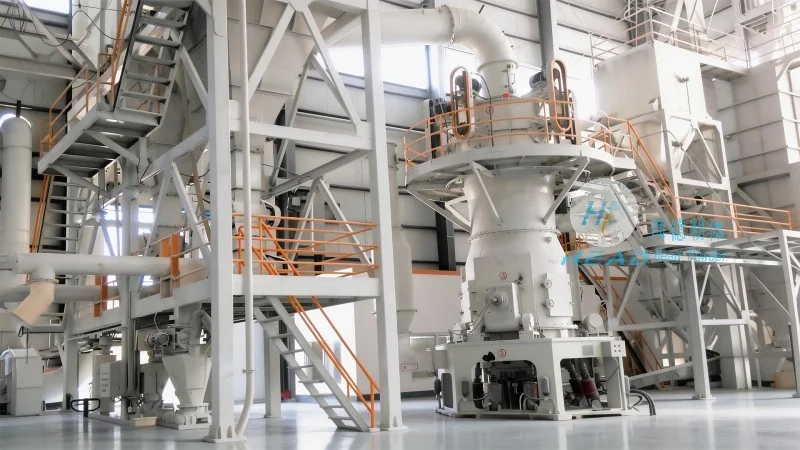
Company Overview: Shandong HeadPowder Engineering Co., Ltd.
Shandong HeadPowder Engineering Co., Ltd., commonly known as HeadPowder, is a leading manufacturer and supplier of large-scale pneumatic conveying systems. With a strong focus on innovation and quality, the company has established itself as a trusted partner for industries requiring reliable material handling solutions. HeadPowder's expertise lies in designing and manufacturing customized systems that meet the unique needs of each client, ensuring optimal performance and longevity. The company's facilities are located in Shandong, China, where it employs a team of experienced engineers and technicians dedicated to research, development, and production. HeadPowder adheres to international standards and quality control measures, ensuring that all products meet the highest industry benchmarks. The company's commitment to customer satisfaction and technological advancement has earned it a reputation for excellence in the market.