

What is a Negative Pressure Pneumatic Conveying System? And What Are Its Design Principles?
For industrial operations that require the efficient and safe transport of bulk materials, negative pressure pneumatic conveying systems have emerged as a reliable solution. These systems are engineered to move powders, granules, and other particulate materials from one location to another using a vacuum or negative pressure environment. The core of such a system lies in its ability to create a pressure differential that draws material into a pipeline, transporting it with compressed air or other gases. Understanding the design principles behind these systems is crucial for optimizing performance, ensuring material integrity, and maintaining operational efficiency.

Introduction to Negative Pressure Pneumatic Conveying Systems
At Shandong HeadPowder Engineering Co., Ltd., we specialize in the design, manufacturing, and integration of advanced negative pressure pneumatic conveying equipment. Our company, commonly known as HeadPowder, has been a leader in the field for many years, providing tailored solutions for a wide range of industrial applications. With our headquarters located in Shandong, China, we leverage local expertise and resources to deliver high-quality, durable systems that meet the specific needs of our clients. The negative pressure pneumatic conveying system is a critical component in many industries, including food processing, pharmaceuticals, chemicals, and mining, where material handling must be precise and hygienic.
How Negative Pressure Pneumatic Conveying Works
The fundamental principle of a negative pressure system is the creation of a vacuum or reduced pressure within the conveying line. This is achieved by using a fan or blower that operates in a way that pulls air and material through the system rather than pushing it. The process begins with the material being introduced into the inlet of the system, often through a hopper or feeder. As the fan creates a negative pressure, it draws the material into the pipeline along with the air. The material is then transported through the system, separated from the air at the discharge point, and collected in a receiving hopper or container. This method is particularly effective for materials that are sensitive to moisture or contamination, as the sealed system prevents external air from entering and the material from escaping.
Key Design Principles of Negative Pressure Pneumatic Conveying Systems
Several key design principles are essential for the effective operation of negative pressure pneumatic conveying systems. First, the system must be designed to handle the specific properties of the material being conveyed, such as particle size, density, and moisture content. The pipeline diameter and length are critical factors that affect the system's performance; larger diameters and longer lengths may require additional boosters or larger fans to maintain sufficient negative pressure. Second, the system must include proper air filtration and separation equipment to ensure that the material is not lost in the air stream and that the air is clean before being released to the environment. This is especially important in industries where air quality regulations are strict, such as food and pharmaceutical manufacturing. Third, the system must be equipped with safety features, including pressure relief valves and emergency shut-off mechanisms, to prevent over-pressurization and ensure the safety of operators. Additionally, the system should be designed for easy maintenance and cleaning, with components that can be easily disassembled and sanitized, which is vital in industries where hygiene is paramount.

Components of a Negative Pressure Pneumatic Conveying System
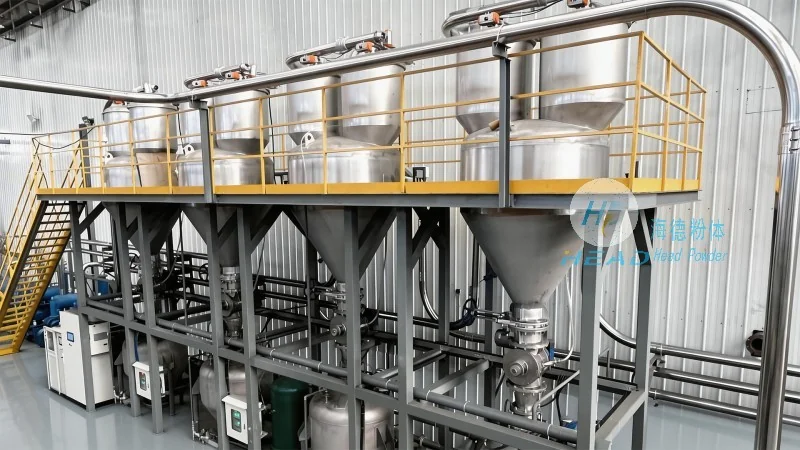
A typical negative pressure pneumatic conveying system consists of several key components that work together to achieve efficient material transport. The main components include a fan or blower, which creates the negative pressure; a conveying line, usually made of stainless steel or other corrosion-resistant materials to handle various materials; an inlet hopper or feeder, which holds the material and feeds it into the system; a discharge hopper or receiver, which collects the material at the end of the line; and a filter or separator, which removes the material from the air stream. In some systems, additional components such as boosters, which increase the pressure or vacuum level, or cyclones, which help separate the material from the air, may be included. The selection of these components is based on the specific requirements of the application, including the material's characteristics, the distance to be conveyed, and the desired flow rate.

Advantages of Negative Pressure Pneumatic Conveying Systems
Negative pressure pneumatic conveying systems offer several advantages over other material handling methods. One of the primary benefits is the ability to transport materials over long distances with minimal energy consumption. The sealed system also prevents dust and particles from escaping into the environment, making it ideal for applications where environmental control is important. Additionally, the system can handle a wide variety of materials, from fine powders to larger granules, without causing damage or degradation. The negative pressure method is also relatively quiet compared to positive pressure systems, which can be beneficial in noise-sensitive environments. Furthermore, the system can be easily integrated with other equipment, such as mixers or reactors, to create a complete process line. These advantages make negative pressure pneumatic conveying systems a preferred choice for many industrial applications.
Applications of Negative Pressure Pneumatic Conveying Systems
The versatility of negative pressure pneumatic conveying systems makes them suitable for a wide range of applications across various industries. In the food and beverage industry, these systems are used to transport ingredients such as flour, sugar, and spices, ensuring that the materials remain fresh and free from contamination. In the pharmaceutical industry, the sealed system is essential for maintaining the purity and integrity of active ingredients and finished products. The chemical industry also relies on negative pressure systems to transport powders and granules, particularly those that are hazardous or sensitive to moisture. In the mining and mineral processing sector, these systems are used to transport raw materials and byproducts from processing plants to storage or processing facilities. Additionally, the system is used in the plastics and rubber industries to handle raw materials and finished products. The ability to handle a wide range of materials and the flexibility of the system make it a valuable tool in many industrial settings.